












The cosmetics industry in the United States is undergoing its biggest regulatory change in decades. With the introduction of the Modernization of Cosmetics Regulation Act of 2022 (MoCRA), cosmetic companies that manufacture, distribute, or sell products in the USA must now comply with new federal requirements that significantly enhance product safety and transparency. At CE.way, we specialize in guiding brands through these regulatory challenges, ensuring full USA cosmetics testing and documentation compliance.
What MoCRA Means for the Cosmetics Industry
MoCRA represents the most comprehensive reform of the Food, Drug, and Cosmetic Act (FD&C Act) since 1938. It introduces mandatory FDA registration for both domestic and international cosmetic facilities, product listings, and compliance with Good Manufacturing Practices (GMPs). These measures aim to ensure that all cosmetic products on the US market are safe, well-documented, and properly labelled.
Key obligations under MoCRA include:
- Registration of manufacturing facilities via the FDA Cosmetics Direct portal.
- Appointment of a Responsible Person (RP) for each cosmetic product.
- Annual updates of product listings and renewal of facility registration every two years.
- Adequate safety substantiation based on scientific evidence.
- Fragrance allergen disclosure and labelling requirements for professional-use products.
- Mandatory adverse event reporting to the FDA.
FDA Oversight and Safety Responsibility
The FDA’s enhanced authority allows it to inspect facilities, review product dossiers, and mandate recalls if products pose safety risks or are misbranded. Cosmetic companies are required to maintain detailed safety records and ingredient documentation. The Responsible Person acts as the main liaison with the FDA, ensuring compliance and addressing any potential issues.
CE.way supports brands with complete cosmetics testing programs to verify product safety, assess ingredients, and prepare compliant dossiers. Our expert team ensures your formulations meet US ingredient restrictions, color additive approvals, and labeling standards – minimizing the risk of costly recalls or regulatory delays.
Understanding USA Cosmetics Testing Requirements
Cosmetic products in the USA are defined as “articles intended to be rubbed, poured, sprinkled, or sprayed on, or otherwise applied to the human body for cleansing, beautifying, promoting attractiveness, or altering appearance.” Products intended to treat or prevent diseases fall under the category of drugs or medical devices instead.
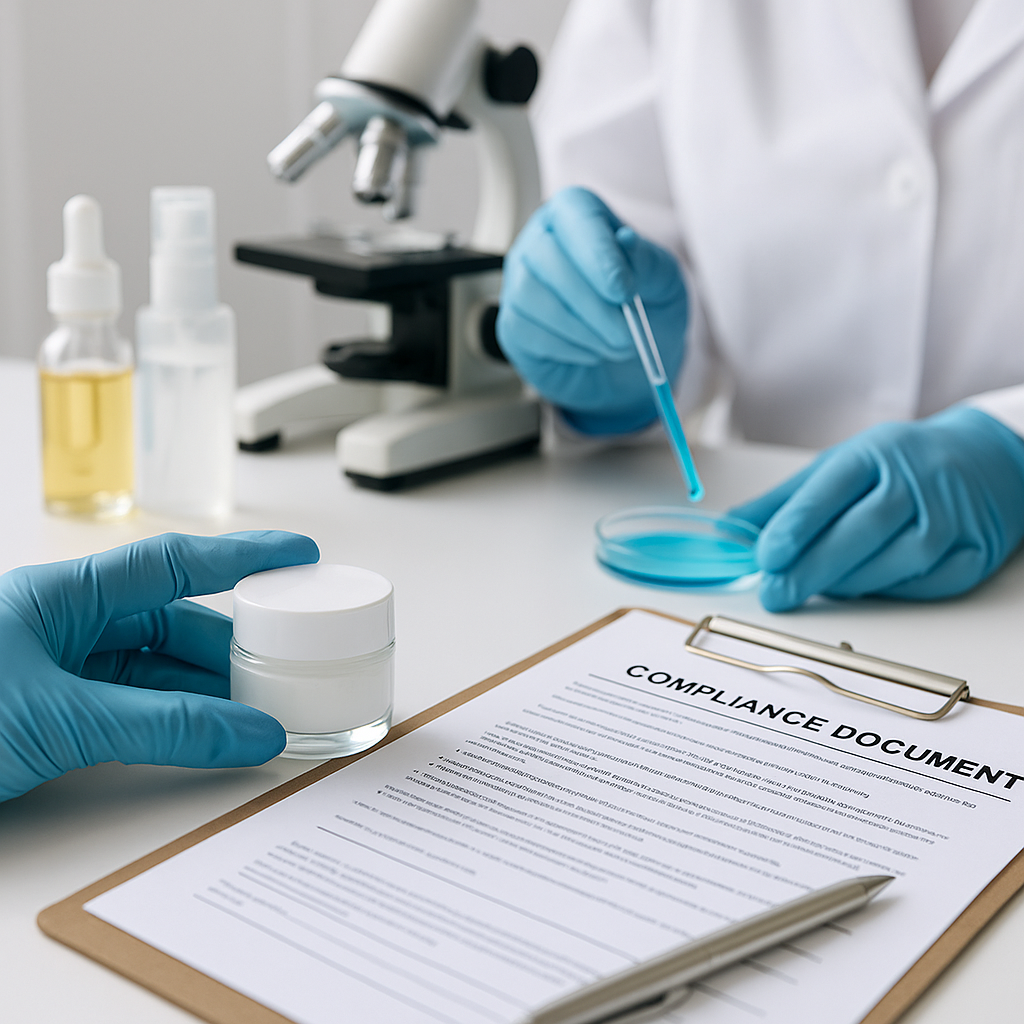
Testing and substantiation must demonstrate that cosmetic products are safe when used as directed. While MoCRA does not prescribe specific test methods, it requires scientific evidence, such as toxicological studies, dermatological testing, or ingredient analyses, to support safety claims. CE.way’s laboratories are fully equipped to perform these tests and issue the corresponding reports required for compliance.
Why Partner with CE.way
Navigating the new MoCRA requirements can be complex and time-consuming. CE.way’s experts provide complete regulatory assistance — from facility registration and product listing to safety substantiation and labelling review. We also act as a US agent for foreign manufacturers, ensuring seamless communication with the FDA.
Our mission is to simplify your compliance process, enabling you to focus on what matters most — developing safe and high-quality cosmetic products. With our in-depth knowledge of USA cosmetics testing standards and hands-on experience, we make sure your brand stays compliant and competitive on the US market.
For detailed guidance on how MoCRA impacts your cosmetic products and what steps to take next, visit CE.way’s USA cosmetics services page.
Would you like me to now generate a visual (image without text) for this PR article that reflects the topic — e.g., laboratory testing of cosmetics or compliance documentation?