













What is the best beer in Slovenia?
Ask ten Slovenian beer drinkers and you may get ten different answers. Some will choose a classic lager they have known for decades. Others will point you towards a small craft brewery producing hop-forward IPAs, rich dark beers or experimental seasonal releases. Some prefer a simple cold beer with lunch, while others want to analyse every hop aroma in the glass.
There is no objectively “best” beer.
And that is good news for visitors.
Slovenia’s beer culture has developed into a fascinating combination of historic brewing traditions, Slovenian hops, established lager brands, independent craft breweries, microbreweries and increasingly diverse alcohol-free alternatives.
Ljubljana is one of the best places to begin exploring it. The capital is home to a growing craft beer scene, but it also has more than 160 years of brewing history connected with Union Beer.
At Union Experience, visitors can explore that history, visit the Brewery Museum, taste beer and discover how contemporary brewing is evolving through the new city microbrewery.
So instead of trying to identify one definitive winner, this guide answers a much better question:
Which Slovenian beers and beer experiences should you try during your visit?
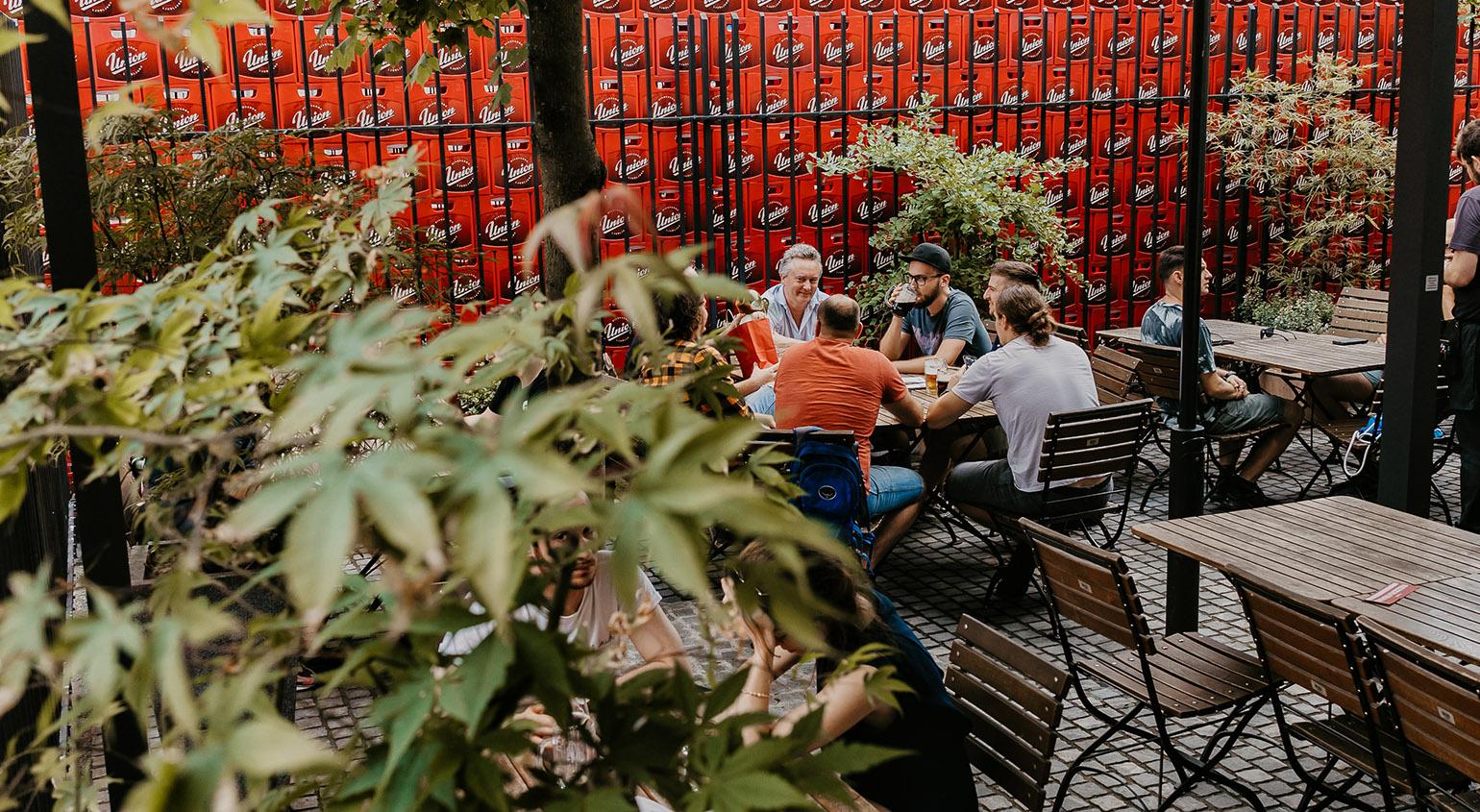
Is Slovenian Beer Good?
Yes – and considerably more diverse than many first-time visitors expect.
International travellers often associate Slovenia primarily with wine.
That makes sense.
The country has important wine-growing regions and a deeply established wine culture.
But Slovenia also has everything required for an interesting beer destination:
a long brewing tradition,
historic breweries,
local hop production,
modern craft breweries,
specialist beer bars,
beer festivals,
and consumers increasingly interested in different styles.
The result is a beer culture where classic pale lager can comfortably exist alongside IPA, Pale Ale, stout, sour beer, alcohol-free products and experimental small-batch releases.
For beer travellers, Slovenia’s compact size makes this even more attractive.
You can explore several different sides of the country’s beer culture without travelling enormous distances.

What Beer Is Slovenia Famous For?
Two names have historically dominated conversations about mainstream Slovenian beer:
Union and Laško.
Union is strongly associated with Ljubljana, while Laško is historically connected with the town of Laško.
Generations of Slovenians have known both brands, and discussions about personal preference can occasionally sound almost like sporting rivalry.
For international visitors, however, there is no reason to choose sides immediately.
Try both.
The comparison provides an easy introduction to Slovenia’s established lager tradition.
Then continue exploring.
Because modern Slovenian beer culture extends far beyond two famous names.
Union Beer: Ljubljana’s Brewing Classic
For visitors staying in Ljubljana, Union Beer is an obvious place to begin.
Its brewing story dates back to 1864, connecting the Union name with more than 160 years of Ljubljana history.
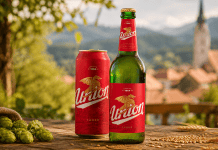
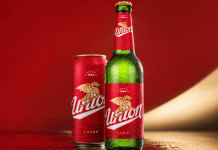
The classic introduction is Union Lager.
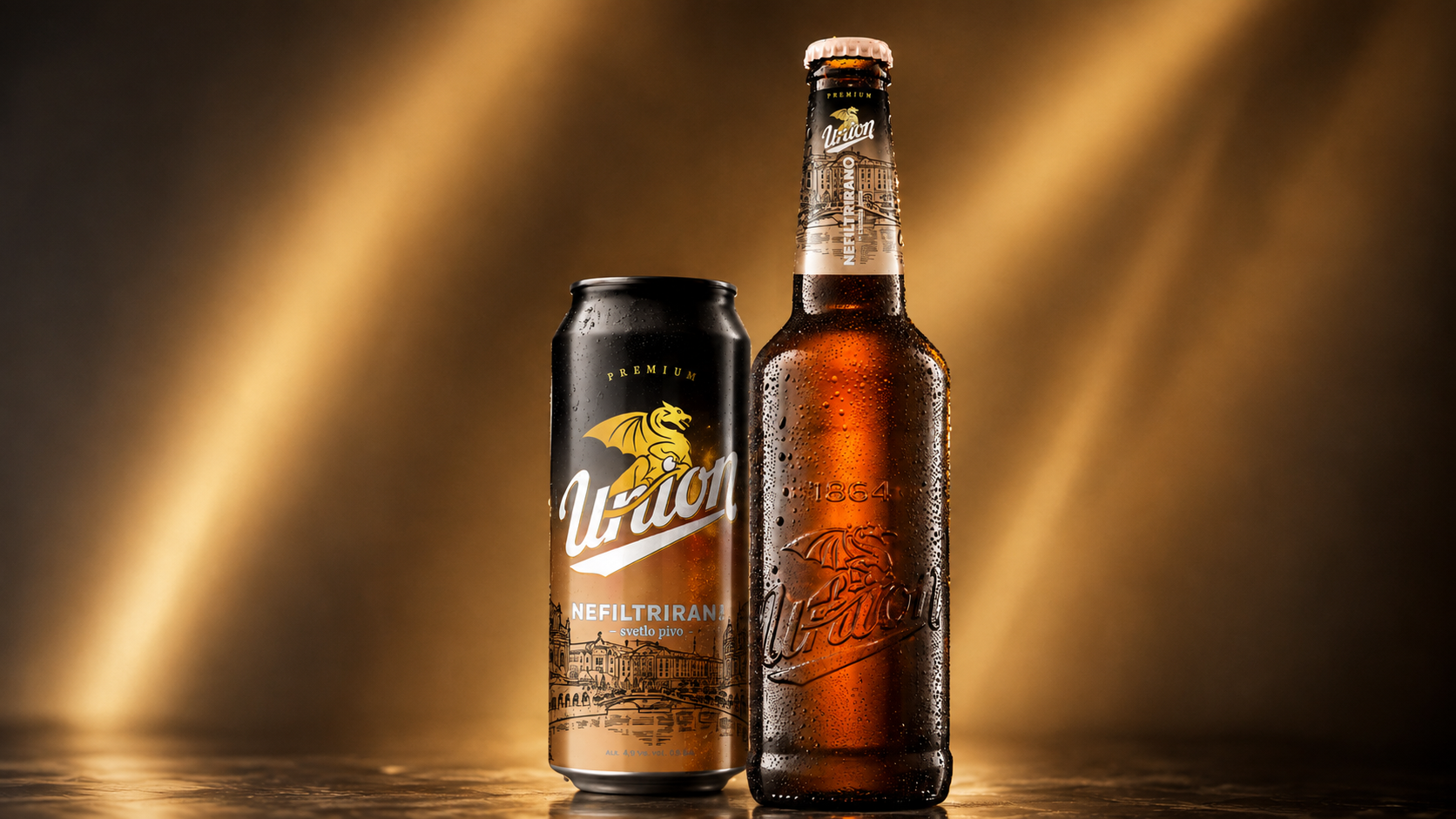
This pale lager represents the traditional side of the Union portfolio and has become familiar to generations of Slovenian drinkers.
For someone new to Slovenian beer, it provides a useful baseline.
Taste it carefully.
Notice the clean lager profile.
Think about malt sweetness.
Notice the bitterness.
Then compare it with the other beers you encounter during your trip.
The goal is not to decide immediately whether it is the best beer in Slovenia.
The goal is to establish a reference point.
Why Drink Union Beer in Ljubljana?
You can find Union in many places around Slovenia.
But drinking it in Ljubljana has another dimension.
This is the city connected with its history.
Union’s brewing identity developed here.
That makes the relationship between beer and destination unusually strong.
For travellers interested only in refreshment, this may not matter.
For travellers interested in beer culture, it matters considerably.
A local product becomes more interesting when you understand where it came from.
This is why brewery visits can completely change the way travellers experience familiar drinks.
Union Experience: More Than Just Beer Tasting
To understand the relationship between Union and Ljubljana, visit Union Experience at Celovška cesta 22.
The guided experience introduces visitors to more than 160 years of brewing heritage.
Rather than simply presenting beer as a finished product, it provides the history behind it.
Visitors can explore brewing equipment, discover how production developed and learn more about the Union story.
Eligible adult visitors can also experience beer tasting.
This makes Union Experience particularly useful at the beginning of a Slovenian beer journey.
Once you understand basic brewing concepts, exploring other beers becomes much more interesting.
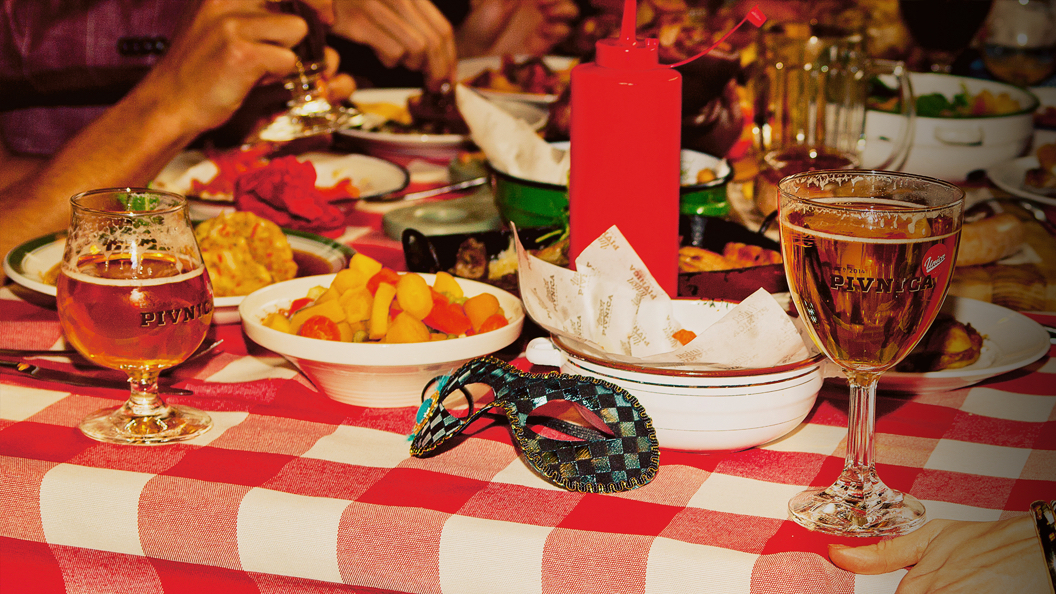
Visit the Union Brewery Museum
The Union Brewery Museum adds historical context that cannot be found on a beer label.
Historic brewing equipment demonstrates how much production has changed.
Today, modern brewing can involve sophisticated automation and precise control over temperatures, fermentation and other variables.
Earlier generations of brewers worked under very different conditions.
Yet the fundamental objective remained the same:
transform relatively simple ingredients into beer.
For visitors, seeing historic brewing technology creates a much stronger appreciation of the craft and industrial knowledge behind every glass.
What Is Beer Made From?
At its foundation, beer is surprisingly simple.
The four ingredients most commonly associated with brewing are:
water, malt, hops and yeast.
Water forms most of the finished beer.
Malted grain provides fermentable sugars and contributes flavour, body and colour.
Hops contribute bitterness and aroma.
Yeast drives fermentation by converting fermentable sugars into alcohol and carbon dioxide while also contributing flavour.
From these four ingredients, brewers create an extraordinary number of beer styles.
Change the grain.
Change the hops.
Change the yeast.
Change fermentation temperature.
Change brewing techniques.
And the finished beer can become almost unrecognisable from the previous one.
That diversity is why searching for one universal “best beer” is almost impossible.

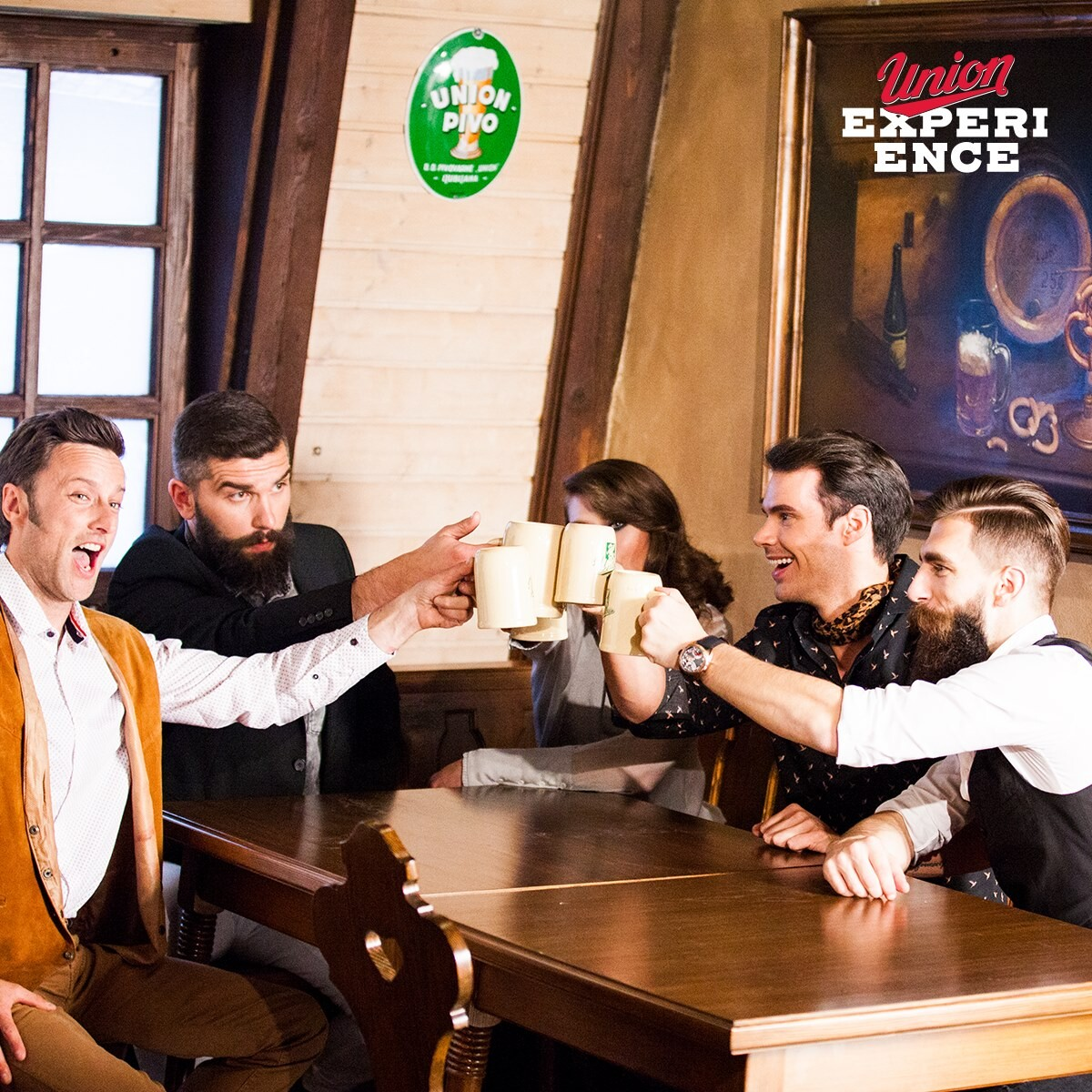
Slovenia Has a Special Relationship With Hops
One of the most important facts about beer in Slovenia is that the country does not merely consume beer.
It grows one of its essential ingredients.
Slovenia has a significant hop-growing tradition, particularly in the Savinja Valley around Žalec.
The landscape around the region can be filled with distinctive tall hop-growing structures, immediately revealing how important the crop is locally.
Slovenian hop varieties have been used by brewers internationally and form an important part of the country’s agricultural heritage.
For serious beer travellers, this means Slovenia offers more than brewery visits.
It also provides an opportunity to understand beer from the agricultural side.
Before hops reach the kettle, they begin in fields.
Žalec and Slovenian Hop Culture
The town of Žalec is closely associated with Slovenian hop growing.
Visitors interested in beer can use the region to explore another dimension of brewing culture beyond Ljubljana’s historic brewery environment.
This creates an interesting contrast.
Ljubljana explains beer through urban brewing heritage.
The Savinja Valley explains one of its key ingredients through agriculture.
Together, the two experiences show that beer does not begin at the brewery.
It begins much earlier.
Slovenian Lager: Start With the Classics
Travellers new to Slovenian beer should not dismiss classic lager simply because craft beer sounds more adventurous.
A well-made lager can be deceptively difficult to produce.
The clean fermentation profile leaves little room for brewing flaws to hide.
Classic lager also provides an excellent foundation for understanding other beer styles.
Start with Union Lager or another Slovenian pale lager.
Then move towards something more aromatic.
The contrast will help you recognise what hops, yeast and brewing techniques contribute.
Beer tasting becomes much more educational when styles are compared rather than consumed in isolation.
Hoppy Lager: The Bridge to Modern Beer
After a classic lager, try a Hoppy Lager.
This style provides an excellent bridge between traditional lager and the hop-forward world associated with modern craft brewing.
The basic lager character remains clean and refreshing.
But hops become more prominent.
Depending on the recipe, you may notice additional citrus, floral, herbal, fruity or resinous aromas.
For someone who normally drinks lager, this can be a gentle introduction to modern hop character.
For an IPA enthusiast, it can demonstrate how expressive hops behave against a cleaner fermentation profile.
What About IPA?
IPA – India Pale Ale – has become one of the defining styles of the modern craft beer movement.
While individual IPAs differ dramatically, the category is generally associated with pronounced hop character.
Depending on the hops used, an IPA might remind you of:
grapefruit,
lemon,
pine,
tropical fruit,
flowers,
herbs,
stone fruit,
or countless other aromas.
Some IPAs are intensely bitter.
Others focus much more heavily on aroma.
If you are exploring Slovenian craft beer, trying at least one locally brewed IPA is an excellent way to understand how far the country’s beer culture has moved beyond classic lager.
Craft Beer in Slovenia
The growth of craft beer in Slovenia has transformed the country’s brewing landscape.
Smaller breweries have introduced drinkers to a much wider range of styles and ingredients.
More importantly, they have changed the way people talk about beer.
Consumers increasingly recognise styles.
They ask about hops.
They compare breweries.
They look for seasonal releases.
They understand that beer can change dramatically according to ingredients and brewing techniques.
This curiosity benefits the entire beer culture.
Even drinkers who continue to prefer classic lager now have more opportunities to understand what makes their favourite style distinctive.
What Counts as Craft Beer?
There is no single globally accepted definition of craft beer that works perfectly in every market.
The term is generally associated with smaller breweries, independence, experimentation and an emphasis on flavour and brewing identity.
However, simply calling something “craft” does not automatically make it better.
Likewise, beer from a large historic brewery is not automatically less interesting.
For drinkers, the most useful questions are:
What style is it?
How was it brewed?
Which ingredients were used?
What does it taste like?
Do I enjoy it?
Beer should ultimately be judged in the glass rather than through marketing terminology alone.
The Union City Microbrewery: Tradition Meets Experimentation
This relationship between established brewing heritage and contemporary experimentation can now be seen particularly clearly in Ljubljana.
Since 2026, Pivnica Union has been home to the Union city microbrewery.
The concept focuses on smaller batches, seasonal flavours and brewing specialties.
Visitors can observe brewing activity through a glass wall.
This creates a fascinating combination.
Union has more than 160 years of brewing history.
Yet at the same location, new beers can be explored on a smaller scale.
The message is important:
heritage does not mean that brewing has stopped evolving.
Why Small-Batch Beer Is Interesting
Large-scale beer production prioritises consistency.
If you buy a familiar lager repeatedly, you expect it to taste the same.
That consistency requires extraordinary process control.
Small-batch brewing creates different opportunities.
Brewers can experiment more easily with:
hop combinations,
malt profiles,
seasonal ingredients,
different strengths,
new styles,
and limited releases.
Not every experiment needs to become a permanent product.
That freedom is one of the attractions of microbrewing.
For visitors, it also means that returning at a different time may reveal something new.
Pivnica Union: Taste Beer Where the Story Lives
After exploring Union Experience, continue to Pivnica Union.
This is where the museum story becomes a social experience.
Beer has never existed only as a technical product.
It is connected with conversation, food, gatherings and hospitality.
A pub is therefore as important to beer culture as a brewery.
At Pivnica Union, visitors can explore beer within the environment most closely connected with Union’s Ljubljana identity.
For someone searching for the best beer in Ljubljana, this provides a useful reminder:
sometimes the location and story surrounding the beer are part of what makes it memorable.

Best Beer in Ljubljana: Is There a Winner?
No objective ranking can determine the best beer in Ljubljana.
A visitor who loves classic lager may choose Union.
An IPA enthusiast may prefer something from a local craft brewery.
Someone who dislikes bitterness may choose a completely different style.
Another visitor may decide the most memorable beer was a seasonal small-batch release they happened to discover during their trip.
That is why beer guides should help people explore rather than declare winners.
The best beer is the one that matches your taste and the occasion.
Best Slovenian Beer for Lager Drinkers
If you prefer clean, refreshing and accessible beers, start with Slovenian lager.
Union provides a particularly relevant choice in Ljubljana because of its historic connection with the city.
Pay attention to:
clean fermentation,
malt character,
balanced bitterness,
carbonation,
and finish.
Then compare it with another Slovenian lager.
Differences that initially seem subtle become much more noticeable when beers are tasted side by side.
Best Slovenian Beer for Hop Lovers
If hops are what you love most about beer, explore Slovenia’s craft brewing scene.
Look for:
IPA, Pale Ale and Hoppy Lager.
Ask what hops are used.
Smell the beer before drinking.
Try to identify aromas without worrying whether your answer is technically “correct”.
One person may smell grapefruit.
Another may identify pine.
Someone else may simply say “fruity”.
All are legitimate sensory experiences.
Beer tasting should increase enjoyment, not turn drinking into an exam.
Best Slovenian Beer for People Who Do Not Like Bitter Beer
If strong bitterness is not your preference, you still have plenty of options.
Try a classic lager.
Explore wheat beers where available.
Consider malt-forward styles.
Or choose a Radler for something more fruit-driven and refreshing.
Radler traditionally combines beer character with a citrus or lemonade-style component, creating a very different flavour profile from IPA.
Modern alcohol-free versions expand the category even further.
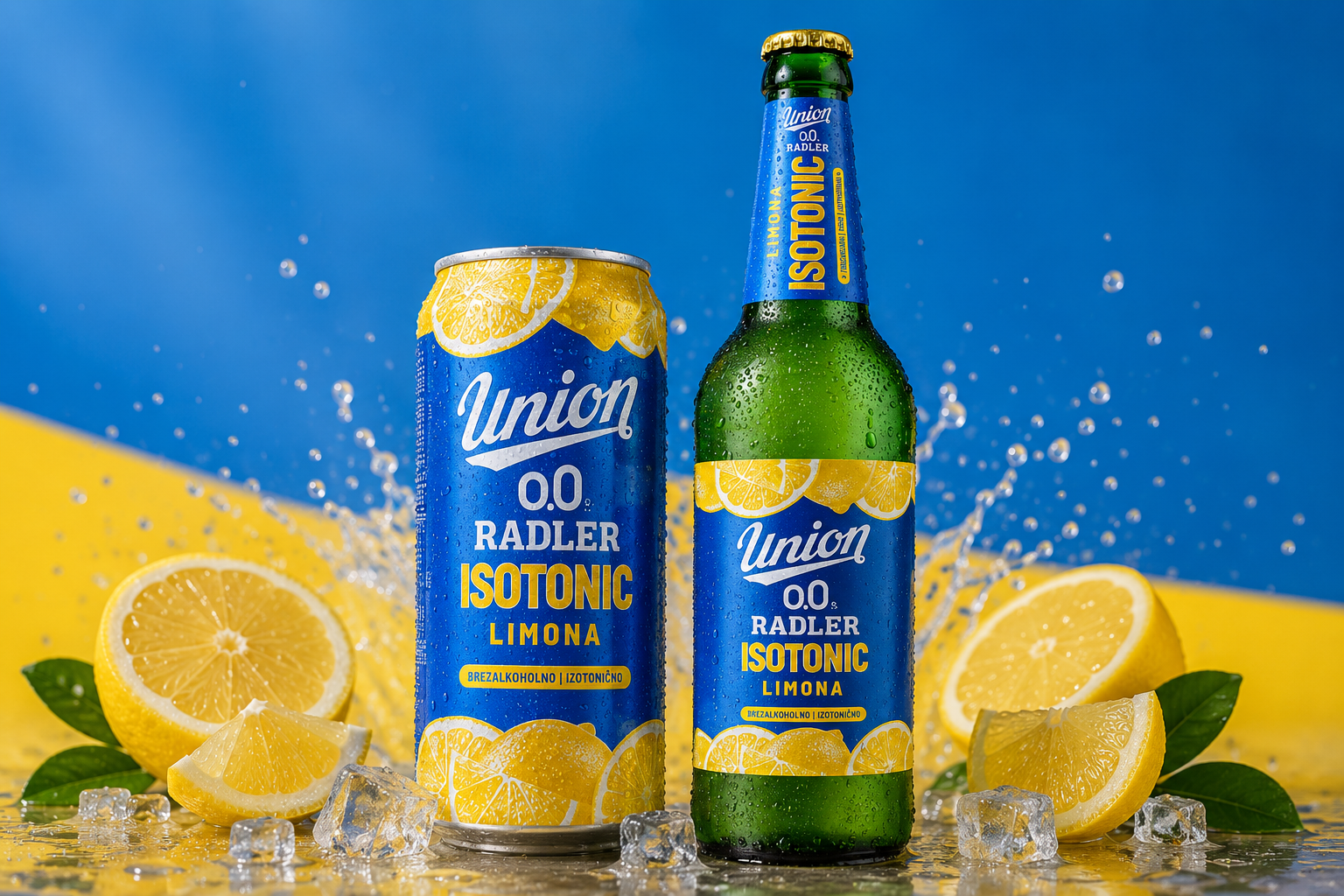
Best Alcohol-Free Beer Options in Slovenia
The 0.0% category is becoming increasingly important.
People choose alcohol-free drinks for many reasons:
driving,
sport,
personal preference,
work,
health-conscious decisions,
or simply because they do not want alcohol on a particular occasion.
This has encouraged breweries to develop alcohol-free products with more attention to flavour and variety.
Within Union’s contemporary range, Union Radler 0.0 Isotonic provides an interesting example of how traditional beer-related refreshment is being adapted to modern drinking habits.
For visitors who do not consume alcohol, Slovenian beer culture therefore does not need to be completely off limits.
Radler: A Central European Classic
International visitors should also understand Radler.
The drink traditionally combines beer with lemonade or another citrus-flavoured soft drink.
Its name means cyclist in German, reflecting its historical association with cycling and refreshment.
Radler is widely familiar across Central Europe, including Slovenia.
It is generally lighter and fruitier than classic lager and can be particularly refreshing during warmer weather.
Importantly, not every Radler is alcohol-free.
Always check the individual product.
Some contain alcohol.
Some are low alcohol.
Others are 0.0%.
Dark Beer in Slovenia
Beer exploration should not stop at pale styles.
Dark beers introduce a completely different range of malt characteristics.
Depending on the style, drinkers may encounter flavours reminiscent of:
caramel,
bread crust,
coffee,
chocolate,
toast,
or roasted grain.
Dark colour does not automatically mean high alcohol or heavy body.
This is another common beer misconception.
Colour primarily reflects the malt and roasting processes used in brewing.
A dark beer can be surprisingly drinkable.
Seasonal Beer: Why Timing Matters
Some of the most interesting beers are not available all year.
Seasonal beers allow brewers to respond to weather, ingredients, traditions and changing drinking occasions.
Summer may encourage lighter and more refreshing releases.
Colder months can suit richer malt-driven beers.
Special occasions may inspire limited editions.
Microbreweries are particularly well suited to this approach because smaller production runs provide greater flexibility.
For travellers, seasonal beer introduces an element of discovery.
You may taste something during one visit that is unavailable the next time you return.
How to Taste Beer Properly
You do not need professional qualifications to taste beer more carefully.
Use four simple stages.
Look.
Observe the colour, clarity and foam.
Smell.
A large part of flavour perception begins with aroma.
Taste.
Notice sweetness, bitterness, acidity, malt and hop character.
Finish.
Pay attention to what remains after swallowing.
Is the beer dry?
Bitter?
Sweet?
Crisp?
Does the flavour disappear quickly or remain?
Then ask the most important question:
Would I order another one?
That matters more than producing the perfect tasting note.
Beer Temperature Matters
Beer should not always be served at exactly the same temperature.
Very cold temperatures can suppress aroma and flavour.
This can work well for highly refreshing lager but may hide some of the complexity of aromatic or stronger specialty beers.
Different beer styles therefore benefit from different serving conditions.
Union recommends its classic lager at approximately 6–8°C, for example.
When exploring craft beer, do not be surprised if some styles are served slightly warmer than the ice-cold lager you may expect.
That is often intentional.
Draught Beer vs Bottled Beer
Is draught beer better than bottled beer?
Not automatically.
Both formats can deliver excellent beer when handled correctly.
Draught beer depends heavily on keg storage, temperature, turnover and clean serving lines.
Bottled and canned beer depends on packaging, storage conditions and freshness.
A well-maintained draught system can provide an excellent experience.
Poorly maintained lines can ruin good beer.
Likewise, properly stored packaged beer can taste excellent.
The container alone does not determine quality.
Does Beer Taste Better at the Brewery?
Objectively, not necessarily.
Emotionally?
Very often.
Context influences experience.
Drinking a beer after learning how it was made changes your relationship with the product.
You recognise ingredients.
You understand the history.
You know where you are.
This is one reason brewery tourism has become so popular.
The beer is no longer isolated from its story.
At Union Experience, visitors can learn about brewing and then continue directly to Pivnica Union.
That transition from history to glass is difficult to reproduce elsewhere.
Beer and Slovenian Food
Beer becomes even more interesting when combined with food.
Classic lager is extremely versatile because carbonation and bitterness can refresh the palate.
Hop-forward beers can complement spicy or strongly flavoured dishes.
Dark beers can work with roasted flavours and richer foods.
But beer pairing does not require strict rules.
The simplest approach is experimentation.
Order something you want to eat.
Choose a beer you want to drink.
Notice what happens when the flavours meet.
If you enjoy the combination, it works.
How Much Does Beer Cost in Slovenia?
Slovenia beer prices vary according to venue, location, serving size and beer style.
Packaged mainstream lager from a supermarket is generally much cheaper than beer served in a restaurant or specialist beer bar.
Craft beer often costs more because of ingredients, smaller production volumes and brewing methods.
Prime tourist locations can also charge more than neighbourhood venues.
Travellers should therefore check current menus rather than relying on a single nationwide price estimate.
The cheapest beer and the best beer experience are rarely the same thing.
Where to Drink Beer in Ljubljana
Ljubljana offers several ways to explore beer.
Visitors can drink beside the Ljubljanica.
Explore specialist craft beer bars.
Try Slovenian beer with dinner.
Buy different bottles or cans from shops.
Or build a deeper experience around the city’s brewing history.
For the latter, Union Experience and Pivnica Union provide an obvious starting point.
The location is close to Tivoli Park and easily incorporated into a wider Ljubljana itinerary.
A Perfect Ljubljana Beer Itinerary
Begin in the historic centre.
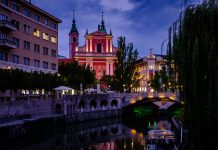
See Prešeren Square and Triple Bridge.
Walk through Central Market.
Photograph the dragons at Dragon Bridge.
Explore Ljubljana Castle.
Then walk towards Tivoli Park.
Continue to Union Experience.
Discover the history of Union Beer.
Explore the Brewery Museum.
Taste beer.
See the city microbrewery.
Continue to Pivnica Union for food and another beer.
Later, return towards the centre and explore Ljubljana’s contemporary craft beer bars.
In a single day, you can move from Ljubljana’s most famous landmarks to more than 160 years of beer history and finally into the modern craft scene.
Beer Tourism Beyond Ljubljana
If beer is an important part of your trip, continue beyond the capital.
Explore the hop-growing heritage of the Savinja Valley and Žalec.
Look for local breweries in different Slovenian regions.
Try beers that may not be widely distributed nationally.
Talk to brewers and bartenders.
Ask what is seasonal.
Slovenia’s small geographic size makes this kind of exploration unusually practical.
You do not need weeks.
A few carefully planned days can reveal a surprisingly broad beer culture.
Useful Slovenian Beer Words
A few Slovenian expressions can make beer exploration more entertaining.
Pivo – beer
Pivovarna – brewery
Pivnica – pub or beer hall
Hmelj – hops
Točeno pivo – draught beer
Svetlo pivo – pale/light beer
Temno pivo – dark beer
Brezalkoholno pivo – non-alcoholic beer
Na zdravje! – Cheers!
You do not need fluent Slovenian to drink beer in Ljubljana.
But na zdravje is worth remembering.
So, What Is the Best Beer in Slovenia?
After all of this, we return to the original question.
What is the best beer in Slovenia?
There is no universal answer.
And there should not be.
For one visitor, the best beer may be a cold Union Lager after walking across Ljubljana all day.
For another, it may be a heavily hopped IPA from a Slovenian craft brewery.
Someone else may discover a seasonal beer from a microbrewery that becomes the unexpected highlight of the trip.
A non-drinker may prefer a 0.0 Radler.
A brewing enthusiast may remember the beer they tasted immediately after visiting a brewery more than any other.
The best approach is therefore simple.
Do not search for one winner. Explore the Slovenian beer story.
Start with the classics.
Taste the modern styles.
Learn about Slovenian hops.
Visit a brewery.
Compare lager and ale.
Try something you have never ordered before.
And if Ljubljana is your starting point, discover where more than 160 years of the city’s brewing history come together at Union Experience.
Then raise your glass.
Na zdravje!
Frequently Asked Questions About the Best Beer in Slovenia
1. What is the best beer in Slovenia?
There is no objectively best Slovenian beer because taste depends on personal preference. Visitors should try classic Slovenian lagers, modern craft beers, hop-forward styles, seasonal releases and alcohol-free alternatives before choosing their favourite.
2. What is the most famous Slovenian beer?
Union and Laško are among the most historically recognised Slovenian beer names. Union is particularly associated with Ljubljana, while Laško has its historical roots in the town of Laško.
3. Is Union Beer from Slovenia?
Yes. Union is a historic Slovenian beer brand whose brewing story in Ljubljana dates back to 1864.
4. Where can I learn about Union Beer?
Visitors can explore more than 160 years of Union brewing heritage at Union Experience, located at Celovška cesta 22 in Ljubljana.
5. Does Slovenia have craft beer?
Yes. Slovenia has developed a diverse craft beer scene producing styles including IPA, Pale Ale, stout, sour beer, Hoppy Lager and experimental seasonal releases.
6. Does Slovenia grow hops?
Yes. Slovenia has an important hop-growing tradition, particularly in the Savinja Valley around Žalec. Slovenian hops are an important part of the country’s brewing heritage.
7. What Slovenian beer should I try first?
For first-time visitors, a classic Slovenian lager such as Union provides a useful introduction. From there, try a Hoppy Lager, Slovenian craft IPA, seasonal beer or another style to compare different brewing approaches.
8. Where should beer lovers go in Ljubljana?
Beer enthusiasts should consider Union Experience, the Union Brewery Museum, Pivnica Union and Ljubljana’s wider craft beer scene. Since 2026, the Union destination has also included a city microbrewery focused on small-batch and seasonal brewing.
9. Are there alcohol-free Slovenian beer options?
Yes. Alcohol-free beer and Radler products are increasingly available. Union’s contemporary range includes options such as Union Radler 0.0 Isotonic.
10. Is Slovenia a good beer destination?
Yes. Slovenia combines historic brewing, local hop cultivation, established lager culture, modern craft breweries and microbrewing within a geographically compact country, making it an interesting destination for beer-focused travel.
Meta Data
Meta Title: Best Beer in Slovenia – Slovenian Beer & Brewery Guide
Meta Description: Discover the best beer in Slovenia, from Union Beer and classic lager to Slovenian craft beer, hops, microbreweries and Union Experience in Ljubljana.
Suggested ALT Text: Best beer in Slovenia – Union Beer, Slovenian craft beer and Ljubljana brewing culture