















For generations, lager has been associated with a simple promise: a beer that is clean, crisp, refreshing and easy to drink. Then the modern craft beer movement
changed what many drinkers expected from hops. Aromatic varieties, stronger hop character and styles such as IPA introduced an entirely new generation to citrus, floral, herbal, resinous and tropical aromas in beer.
Hoppy Lager brings these two worlds together.
It takes the refreshing character and drinkability associated with lager and combines them with a more noticeable hop presence. The result can provide an ideal middle ground for someone who enjoys
classic lager but wants more aroma and character – or for a craft beer drinker looking for something cleaner and more refreshing than a heavily hopped ale.
For visitors exploring beer in Slovenia, Hoppy Lager is also a useful example of how the country’s beer culture is changing. Traditional brewing remains
important, but contemporary consumers increasingly want variety, experimentation and a wider spectrum of flavours.
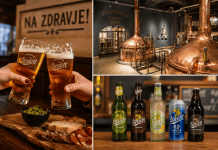
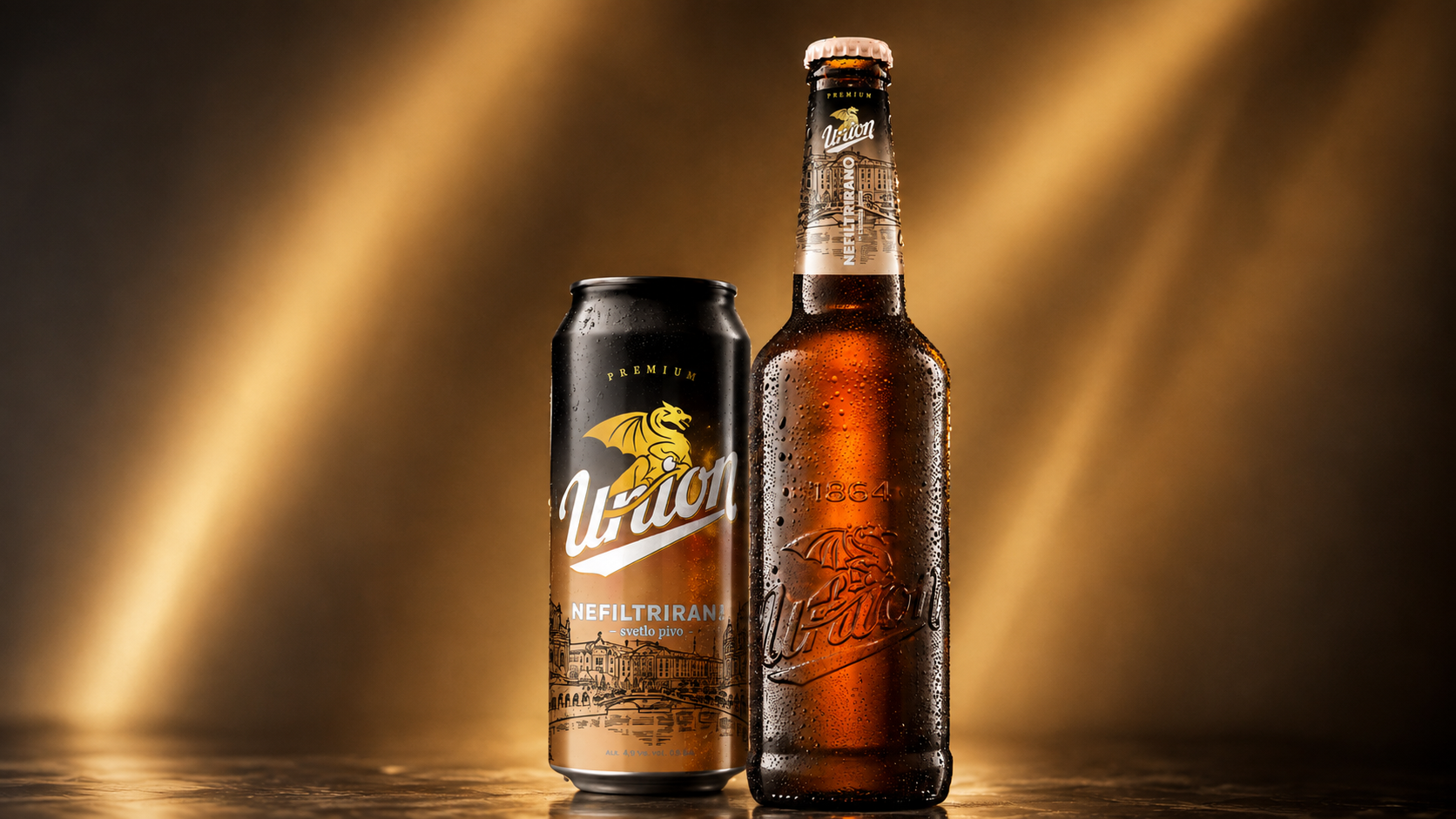
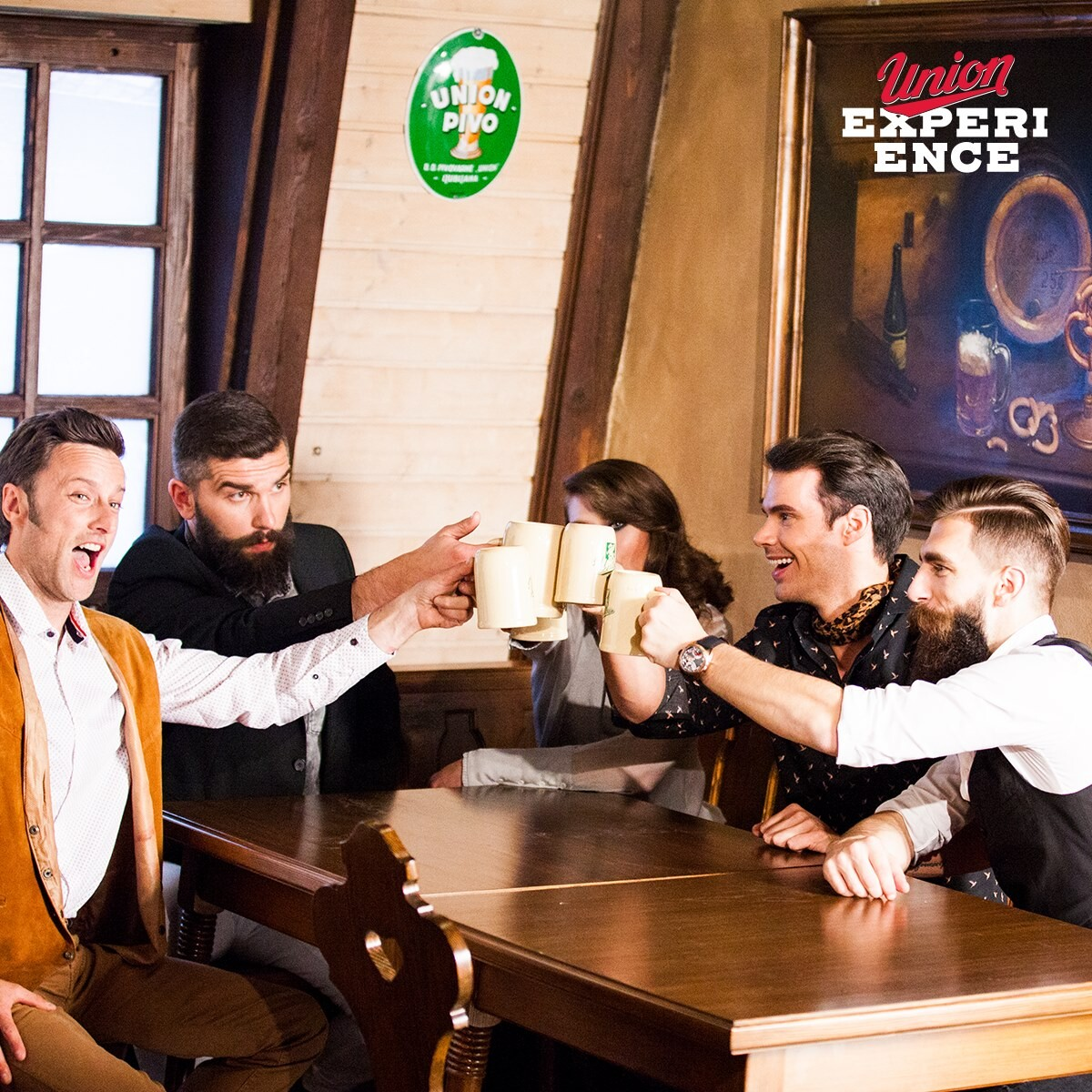
That development can be experienced particularly well in Ljubljana, where more than 160 years of Union brewing heritage now meet a new generation of small-batch brewing at Union Experience and the Union city microbrewery.
What Is a Hoppy Lager?
A Hoppy Lager is exactly what its name suggests: a lager in which hops play a more noticeable role than they typically do in a conventional pale lager.
To understand why this matters, it helps to separate two elements of the beer.
First is lager fermentation.
Lagers are generally fermented using lager yeast and at cooler temperatures than ales. This approach is associated with a particularly clean flavour profile that allows malt and hop characteristics
to appear without many of the fruity fermentation flavours commonly associated with ales.
Second are the hops.
Hops contribute bitterness, aroma and flavour to beer. Depending on the hop variety and how it is used, they can introduce an enormous range of sensory characteristics.
A Hoppy Lager combines these elements.
You retain the clean, crisp foundation of lager while increasing the importance of hops.
Hoppy Lager vs Regular Lager
The easiest way to understand a Hoppy Lager is to compare it with a classic pale lager.
Traditional lager is generally designed around balance and drinkability.
Malt provides the foundation.
Hops provide enough bitterness to balance the malt.
Fermentation remains clean.
No single element necessarily dominates.
A Hoppy Lager shifts that balance towards hops.
This does not automatically mean that the beer becomes extremely bitter. Modern hop-forward brewing is as much about aroma as bitterness.
Depending on the recipe and hop varieties, the drinker may notice citrus, floral, herbal, fruity, spicy or other aromatic characteristics.
The beer can therefore remain recognisably lager-like while providing a more expressive drinking experience.
Hoppy Lager vs IPA
One of the most common questions is whether Hoppy Lager is simply another name for IPA.
It is not.
IPA – India Pale Ale – belongs to the ale family and has historically become associated with pronounced hop character.
Hoppy Lager uses a different fermentation foundation.
That distinction can significantly influence the finished beer.
An IPA may combine hop aromas with fruity flavours created during ale fermentation. A lager generally provides a cleaner fermentation profile, potentially allowing the hop character to stand out against
a more neutral background.
There can certainly be overlap.
A heavily hopped lager may appeal to IPA drinkers.
A relatively restrained IPA may sometimes appear similar to a very aromatic lager.
But the fermentation approach keeps the categories distinct.
A useful simplified comparison is:
Classic Lager: clean + balanced + refreshing
Hoppy Lager: clean + refreshing + hop-forward
IPA: hop-forward + ale fermentation character
The real world of beer is naturally more complicated, but this is a useful starting point.
Why Are Hops So Important in Beer?
Beer is traditionally built around four fundamental ingredients:
water, malt, hops and yeast.
Malt provides fermentable sugars, body, colour and much of the beer’s underlying flavour.
Yeast drives fermentation.
Water forms the majority of the finished beer.
And hops provide bitterness, aroma and flavour.
Without sufficient bitterness, malt sweetness could make many beers feel unbalanced.
But hops do considerably more than create bitterness.
Modern brewing has placed enormous emphasis on their aromatic potential.
Different varieties can produce dramatically different sensory impressions.
Some hops are known for citrus.
Others may suggest tropical fruit.
Some are floral.
Some herbal or spicy.
Others can produce pine-like or resinous notes.
This diversity is one of the reasons modern beer has become so interesting.
The same basic ingredients can create remarkably different results.
Why Hoppy Lager Appeals to Modern Beer Drinkers
For much of the twentieth century, mainstream beer culture in many countries became increasingly dominated by relatively accessible lager styles.
Then craft brewing began pushing flavour in the opposite direction.
More hops.
More aroma.
More bitterness.
More experimentation.
Styles such as IPA became enormously popular and changed what consumers expected from beer.
But not everyone wants an intensely bitter or full-bodied beer.
This created an interesting opportunity.
What if a brewer could retain the refreshing drinkability of lager while introducing some of the aromatic intensity consumers had learned to appreciate from craft beer?
That is where Hoppy Lager becomes particularly compelling.
It provides a bridge.
A Gateway Between Lager and Craft Beer
Imagine someone who has spent years drinking conventional lager.
They enjoy beer but find an aggressively bitter IPA overwhelming.
A Hoppy Lager can introduce stronger hop aroma without completely abandoning the familiar structure of lager.
Now consider the opposite drinker.
Someone who regularly orders IPA, Pale Ale and other modern craft styles may sometimes want something cleaner, lighter and more refreshing.
Again, Hoppy Lager can occupy that space.
This ability to appeal to drinkers approaching from both directions helps explain why hop-forward lager styles have become increasingly interesting.
They do not ask consumers to choose between traditional lager and modern craft beer.
They borrow from both.
What Does Hoppy Lager Taste Like?
There is no single flavour profile shared by every Hoppy Lager.
The result depends heavily on the hops selected, their quantity, when they are added during brewing and the rest of the recipe.
However, a typical Hoppy Lager may combine:
a clean lager foundation,
moderate malt character,
noticeable hop aroma,
greater hop flavour than conventional lager,
balanced to pronounced bitterness,
and a crisp finish.
The key word is balance.
If the hop character becomes very aggressive, the beer can begin to move towards territory consumers associate more strongly with hop-forward craft styles.
If the hops are too restrained, the difference from conventional lager may become difficult to notice.
A successful Hoppy Lager therefore needs both personality and drinkability.
Aroma Is Not the Same as Bitterness
A common misconception among new beer drinkers is that more hops automatically mean more bitterness.
Not necessarily.
When hops are added during the brewing process has a major effect on what they contribute.
Hops boiled for longer periods generally contribute more bitterness.
Hops added later can preserve more aromatic compounds.
Brewers can also use dry hopping, adding hops during or after fermentation to increase aroma without extracting bitterness in the same way as prolonged boiling.
This is one of the techniques that helped transform modern craft brewing.
Beer could become intensely aromatic without necessarily becoming unbearably bitter.
For a Hoppy Lager, this gives brewers considerable flexibility.
They can increase the hop experience while preserving the refreshing qualities that make lager so popular.
What Is Dry Hopping?
Dry hopping means adding hops during or after fermentation rather than relying only on additions during the boiling stage.
The primary objective is aroma.
Because the hops are not exposed to prolonged boiling, more volatile aromatic compounds can remain noticeable in the finished beer.
Depending on the hop variety, dry hopping can introduce aromas reminiscent of:
citrus,
flowers,
herbs,
pine,
stone fruit,
tropical fruit,
or other complex characteristics.
Dry hopping is strongly associated with modern IPA and Pale Ale brewing, but the technique can also be used to create expressive lagers.
This is another example of how boundaries between traditional and contemporary beer styles have become increasingly creative.
The Craft Beer Revolution Changed Lager Too
It is easy to think about craft beer as a completely separate world from mainstream lager.
In reality, the craft movement influenced the entire brewing industry.
Consumers became more knowledgeable.
Beer bars began listing styles and hop varieties.
Brewers started explaining ingredients.
People learned terms such as IPA, dry hopping, IBU and fermentation.
Beer became something to discuss rather than simply order.
This new curiosity inevitably affected lager.
Brewers could begin asking:
What happens if we use more aromatic hops?
What happens if we dry-hop a lager?
Can we make a beer that is crisp but still intensely aromatic?
Can lager drinkers be introduced to new flavours without losing the qualities they already enjoy?
Hoppy Lager is one answer to those questions.
Hoppy Lager and Slovenian Beer Culture
Slovenia provides a particularly interesting environment for these developments.
The country has a strong historic brewing tradition associated with established names such as Union, while the last several years have also brought substantial growth in Slovenian craft beer.
Small breweries have introduced consumers to new hop varieties, IPAs, Pale Ales, stouts, sour beers and countless experimental releases.
The result is a more knowledgeable and adventurous beer audience.
Traditional lager has not disappeared.
Instead, it now exists alongside far more variety.
For visitors, this makes exploring beer in Slovenia considerably more interesting than simply comparing two classic lager brands.
You can start with tradition and gradually move towards experimentation.
Union Beer and More Than 160 Years of Brewing
The story of Union Beer in Ljubljana reaches back to 1864.
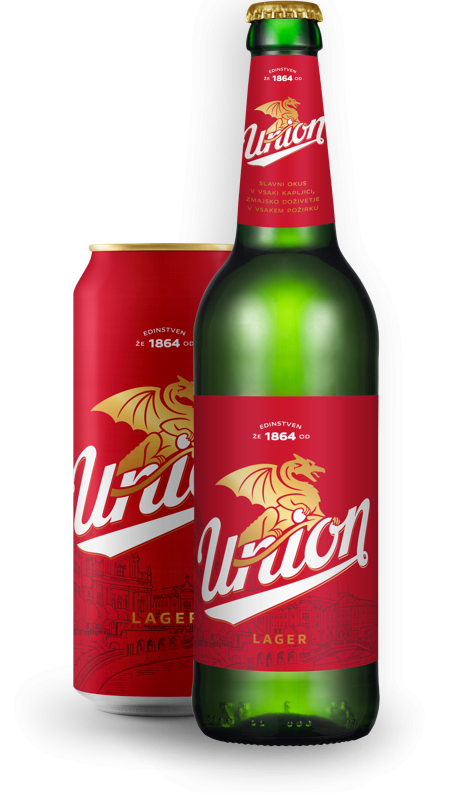
That gives Union more than 160 years of brewing heritage and places the brand firmly within the history of the Slovenian capital.
For generations, the classic lager tradition was central to this identity.
Today, however, Union’s Ljubljana story also demonstrates how a historic brewing name can respond to contemporary beer culture.
Visitors can explore this development at Union Experience on Celovška cesta 22.
The location brings together historic brewing heritage and modern beer experimentation in a way that makes the evolution particularly visible.
Union Experience: Start With the History
Before trying to understand where beer is going, it is useful to understand where it came from.
Union Experience introduces visitors to more than 160 years of brewing history in Ljubljana.
The guided experience includes the Union Brewery Museum, where historic equipment and exhibits help explain how brewing developed through different generations.
For travellers interested in beer, this creates important context.
Modern brewing terminology can sometimes make beer appear entirely new.
Dry hopping.
Craft beer.
Hoppy Lager.
Microbreweries.
Seasonal releases.
Yet every contemporary beer still builds on centuries of accumulated brewing knowledge.
The museum provides the historical foundation.
The Union City Microbrewery: A New Chapter Since 2026
The connection between heritage and experimentation became even stronger in 2026 with the opening of the new Union city microbrewery.
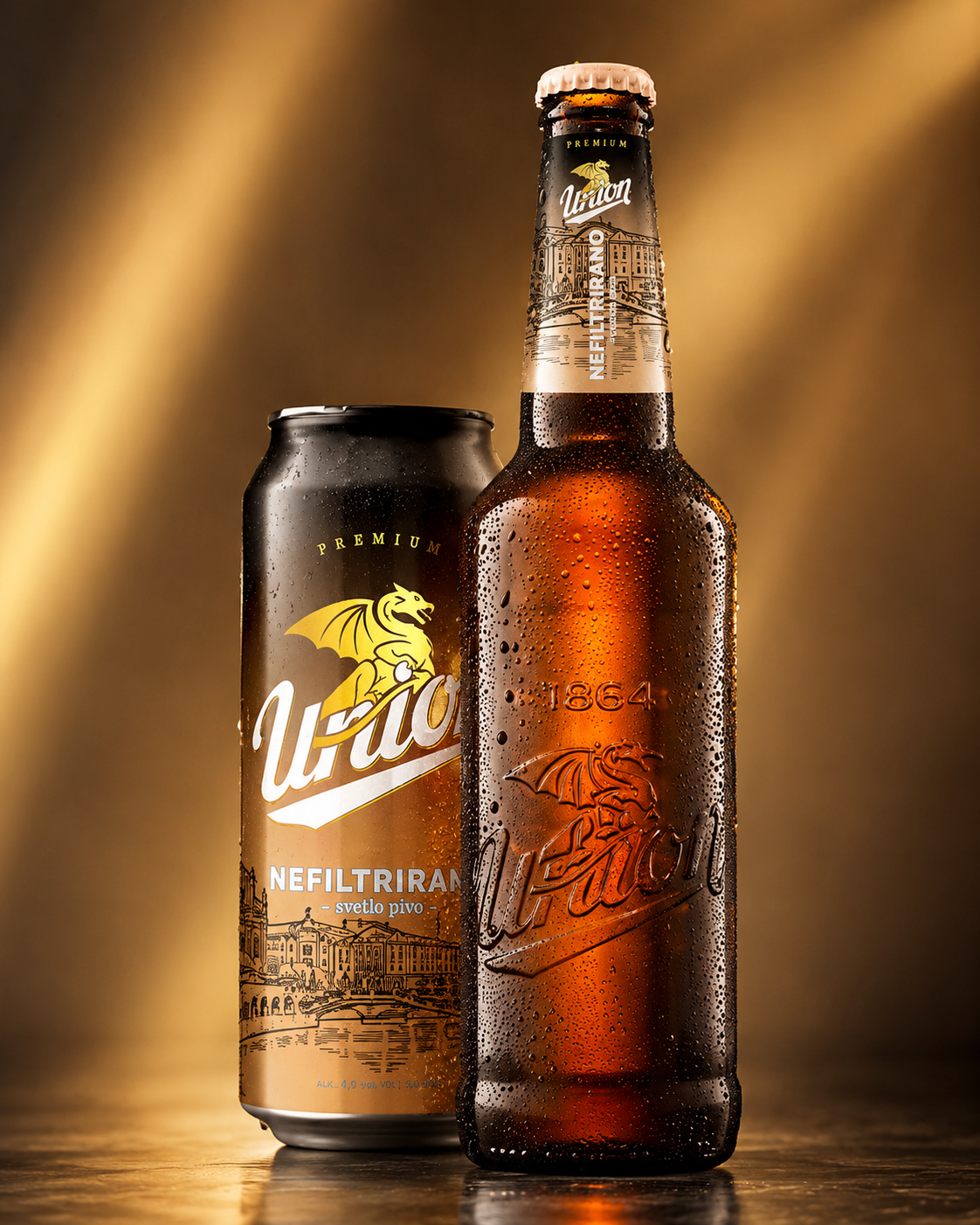
Located within Pivnica Union, the small-batch brewery focuses on limited editions, seasonal flavours and brewing specialties.
Visitors can observe brewing activity through a glass wall, bringing the process directly into the pub environment.
This is particularly relevant when discussing styles such as Hoppy Lager.
Small-batch brewing gives brewers space to experiment with recipes, ingredients and flavour profiles.
The emphasis shifts from producing enormous quantities of exactly the same beer towards exploring new ideas on a smaller scale.
For beer enthusiasts, this is where things become interesting.
Historic Brewery Meets Modern Microbrewery
Few locations demonstrate the evolution of brewing as clearly as Union’s Ljubljana home now can.
In one part of the experience, historic brewing equipment tells the story of previous generations.
Nearby, modern small-batch equipment represents a completely different approach to beer creation.
The contrast makes an important point.
Brewing heritage and innovation are not opposites.
A brewery can respect traditional lager while experimenting with contemporary hop character.
It can preserve museum equipment while operating a microbrewery.
It can serve a beer recognised by generations of Slovenian drinkers while simultaneously creating something those earlier generations would never have tasted.
This coexistence is increasingly central to modern beer culture.
Hoppy Lager at Pivnica Union
After exploring the history through Union Experience, Pivnica Union provides the natural setting for continuing the beer journey.
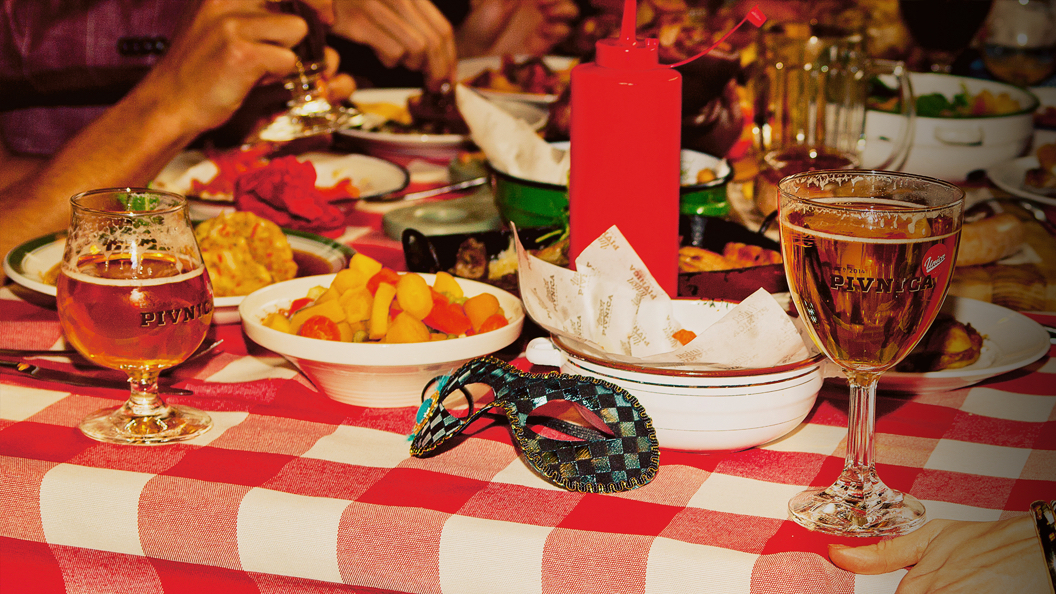
The pub is located at the same Union destination on Celovška cesta 22 and combines beer with food in a contemporary beer-hall environment.
For travellers, this makes comparing beer styles considerably more enjoyable.
Instead of reading abstract descriptions of lager, hops and brewing techniques, you can begin identifying differences in the glass.
How does classic lager differ from something more hop-forward?
Can you detect more aroma?
Does the bitterness feel different?
How does the finish change?
Beer education becomes considerably easier when theory is followed by tasting.

How to Taste a Hoppy Lager
You do not need professional sensory training to taste beer more carefully.
Start with the appearance.
Look at the colour, clarity and foam.
Then smell the beer before drinking it.
Aroma is extremely important, particularly with hop-forward styles.
Ask yourself what the aroma reminds you of.
Citrus?
Flowers?
Herbs?
Fruit?
Pine?
There is no need to find the “correct” answer. Sensory perception is individual.
Then take a sip.
Notice the malt character first, followed by hop flavour and bitterness.
Finally, pay attention to the finish.
Does the bitterness disappear quickly?
Does it remain?
Does the beer feel crisp?
Do you immediately want another sip?
That final question may be the most important one of all.
Does Hoppy Lager Have More Alcohol?
Not necessarily.
“Hoppy” describes the role of hops in the beer, not its alcohol content.
A beer can be highly aromatic and relatively low in alcohol.
Another beer can have restrained hop character and much higher alcohol.
Alcohol level depends on the recipe and fermentation, particularly the amount of fermentable sugar available to yeast.
This is another reason consumers should avoid assuming too much from style names alone.
If alcohol content matters, check the individual beer’s ABV – alcohol by volume.
Is Hoppy Lager Bitter?
Usually, it has a more noticeable hop character than conventional pale lager, but that does not automatically mean extreme bitterness.
Modern hop-focused brewing can emphasise aroma as much as bitter taste.
A Hoppy Lager may therefore smell intensely of hops while remaining balanced and highly drinkable.
The specific experience depends entirely on the recipe.
For someone nervous about trying IPA because they dislike strong bitterness, Hoppy Lager can often provide a more accessible way to explore hop-forward beer.
What Food Goes With Hoppy Lager?
One of lager’s greatest strengths is its versatility with food.
A Hoppy Lager retains much of that advantage while adding additional aromatic character.
Depending on the individual beer, it can pair well with:
burgers,
grilled meat,
fried food,
spicy dishes,
sausages,
pizza,
and richer pub food.
Carbonation and bitterness can help refresh the palate between bites, while hop aromas can complement strongly flavoured dishes.
At a beer-focused venue such as Pivnica Union, trying different combinations can become part of the experience.
There is no need to treat beer pairing as a strict science.
If you enjoy the beer and enjoy the food together, the pairing works.
Hoppy Lager for IPA Drinkers
IPA enthusiasts sometimes underestimate lager.
Because mass-market pale lager dominates global beer sales, the entire lager family can incorrectly appear simple.
In reality, lager brewing requires exceptional precision.
A clean fermentation profile leaves fewer places for technical flaws to hide.
A well-made Hoppy Lager adds another challenge: introducing expressive hop character without destroying the balance and crispness expected from lager.
For IPA drinkers, the result can be surprisingly satisfying.
You still get hops.
But the fermentation profile and overall structure provide a different experience.
Hoppy Lager for Traditional Lager Drinkers
For traditional lager drinkers, the style offers an equally useful opportunity.
There is no need to jump directly from a familiar pale lager to an intensely bitter double IPA.
Hoppy Lager provides an intermediate step.
The basic beer still feels familiar.
The finish can remain crisp.
The body does not necessarily become heavy.
But suddenly there is more happening in the aroma.
This can help drinkers begin recognising what different hops contribute without making the beer feel completely unfamiliar.
Is Hoppy Lager a Craft Beer?
Not automatically.
Hoppy Lager is a beer style or brewing approach, not a definition of brewery ownership or production scale.
A small craft brewery can make a Hoppy Lager.
A larger historic brewery can make one too.
The more useful questions are:
How is the beer brewed?
Which ingredients are used?
What flavour is the brewer trying to create?
How does it taste?
The craft beer movement helped popularise hop-forward experimentation, but modern brewing techniques and styles now extend far beyond small independent breweries.
Union’s new city microbrewery is an interesting example of these worlds meeting.
Hops and Slovenia
Slovenia has another important connection with beer that international visitors sometimes overlook:
hops are part of Slovenian agricultural heritage.
The country is particularly associated with hop growing in the Savinja Valley around Žalec.
Slovenian hop varieties have a long reputation in brewing and form another important chapter of the country’s beer story.
This means Slovenia is not simply a country where beer is consumed.
It is also a place where one of beer’s defining ingredients has been cultivated for generations.
For beer travellers, that adds another reason to explore Slovenian brewing beyond the finished pint.
Beer Tourism in Slovenia
Beer tourism is increasingly becoming part of the wider travel experience in Slovenia.
Visitors can explore historic brewing heritage in Ljubljana, discover hop-growing traditions around Žalec and sample beers from a growing number of craft breweries around the country.
Union Experience provides an accessible starting point because it connects the history of one of Slovenia’s best-known beer names with contemporary
brewing.
For someone visiting Ljubljana for only a few days, it offers a concentrated introduction to several themes:
historic brewing,
lager tradition,
beer ingredients,
modern beer styles,
small-batch experimentation,
and Slovenian pub culture.
From Classic Lager to Hoppy Lager
One of the best ways to understand beer is through comparison.
Start with a classic pale lager.
Notice its clean profile and balance.
Then try something with greater hop character.
Pay attention to the aroma before taking a sip.
The difference may be immediately obvious.
This type of comparison demonstrates why beer style matters.
Both drinks may be lagers.
Both may use the same four fundamental ingredients.
Yet changes in hop varieties, quantities and brewing techniques can create dramatically different experiences.
That discovery is at the heart of beer appreciation.
Why Hoppy Lager Matters
Hoppy Lager may appear to be simply another beer style among hundreds.
But it represents something broader.
It shows how brewing traditions evolve.
Lager does not need to remain exactly as previous generations knew it.
Craft beer does not need to reject traditional brewing.
Modern drinkers do not need to identify exclusively as “lager drinkers” or “IPA drinkers”.
The boundaries can overlap.
For a historic brewing city such as Ljubljana, this evolution is particularly appropriate.
Union has been part of the city’s beer story for more than 160 years.
Today, through Union Experience, Pivnica Union and the city microbrewery, visitors can see how that story continues.
And somewhere between a classic lager and the hop-driven world of modern craft beer sits a particularly interesting glass.
Hoppy Lager.
Frequently Asked Questions About Hoppy Lager
1. What is a Hoppy Lager?
A Hoppy Lager is a lager brewed to give hops a more noticeable role in aroma, flavour or bitterness than they typically have in a conventional pale lager. It combines the clean, refreshing characteristics
of lager with a more expressive hop profile.
2. What is the difference between Hoppy Lager and regular lager?
Traditional pale lager generally emphasises balance, clean fermentation and drinkability. Hoppy Lager retains these characteristics but gives hops greater prominence, particularly in aroma and flavour.
3. Is Hoppy Lager the same as IPA?
No. IPA belongs to the ale family, while Hoppy Lager is fermented as a lager. Both can have strong hop character, but their fermentation profiles and overall flavour structures differ.
4. Is Hoppy Lager very bitter?
Not necessarily. Hops contribute both bitterness and aroma. Modern brewing techniques can create highly aromatic beer without extreme bitterness, so the exact character depends on the recipe.
5. What does Hoppy Lager taste like?
The flavour depends on the hops and brewing method, but Hoppy Lager generally combines a clean lager base with more noticeable hop aroma and flavour. Depending on the hops, drinkers may notice citrus,
floral, herbal, fruity or resinous characteristics.
6. What is dry hopping?
Dry hopping is the addition of hops during or after fermentation to increase hop aroma. It is widely used in modern hop-forward beers and can also be applied to lager.
7. Is Hoppy Lager a craft beer?
Hoppy Lager is a style rather than a definition of brewery size or ownership. Both craft breweries and larger breweries can produce hop-forward lagers.
8. Where can I explore modern beer culture in Ljubljana?
Union Experience at Celovška cesta 22 combines more than 160 years of brewing history with the Union Brewery Museum, Pivnica Union and, since 2026, a
city microbrewery focused on smaller batches and brewing specialties.
9. Does Slovenia have a hop-growing tradition?
Yes. Slovenia has an important hop-growing heritage, particularly in the Savinja Valley around Žalec. Hops are therefore an important part of the wider story of Slovenian beer.
10. Is Hoppy Lager good for people who normally drink classic lager?
It can be an excellent introduction to more hop-forward beer. The lager foundation remains familiar, while additional hop aroma and flavour allow drinkers to explore characteristics commonly associated
with modern craft brewing.