













Some beers are closely connected with the places where they were born. Guinness immediately evokes Dublin, Pilsner points towards Plzeň, and in Slovenia, Union Beer has been closely associated with Ljubljana for generations.
The story reaches back to 1864, giving Union more than 160 years of brewing heritage in the Slovenian capital. What began as a nineteenth-century brewery became one of the most recognisable names in Slovenian beer, accompanying generations of drinkers while Ljubljana itself developed from a relatively small Central European city into the modern capital visitors know today.
For travellers, this makes Union more than simply another beer to order at a restaurant.
It is part of Ljubljana’s story.
And today, visitors can explore that story at Union Experience, where brewing history, the Union Brewery Museum, beer tasting, Pivnica Union and the new city microbrewery bring together the past, present and future of beer in Ljubljana.
So what exactly is Union Beer? What does it taste like? Why is it so strongly connected with Ljubljana? And where should visitors experience it?
Here is an introduction to one of Slovenia’s best-known beer names.
What Is Union Beer?
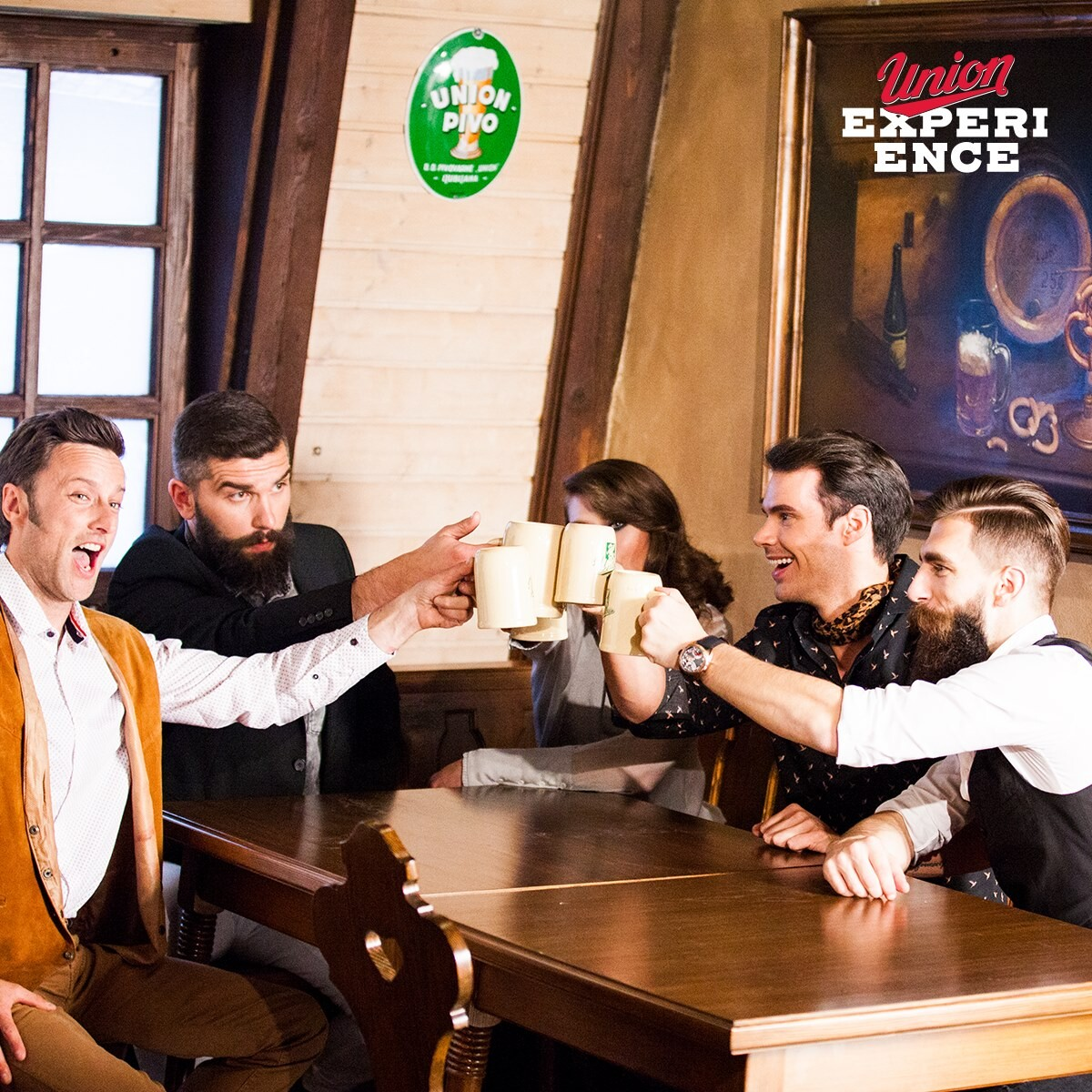
Union Beer is one of the most established names in Slovenian brewing and is historically associated with Ljubljana.
For many visitors, the first encounter with Union will be straightforward.
They sit down at a café, pub or restaurant in Ljubljana and see the familiar Union name among the beers available.
The classic starting point is Union Lager, a pale lager with a long brewing tradition.
But Union today represents more than a single beer.
The wider range reflects the diversification of modern beer culture, where consumers can choose between classic lager, more hop-forward beers, Radler products and alcohol-free alternatives.
At the same time, Union’s historic Ljubljana home has evolved into a visitor destination where people can learn why the name became important in the first place.
That combination of heritage and contemporary brewing makes Union particularly interesting for anyone exploring beer in Slovenia.
The Story of Union Beer Begins in Ljubljana
The Union brewing story dates back to 1864.
That date matters.
More than 160 years of brewing means Union’s history overlaps with enormous changes in Ljubljana and Slovenia.
When the brewery’s story began, Ljubljana looked very different from the city tourists encounter today.
There was no modern Republic of Slovenia.
There were no cars filling the roads.
There was no contemporary tourism industry.
Brewing itself relied on technologies and production methods very different from those used today.
Over the following generations, the city expanded and modernised, brewing technology developed and consumer habits changed.
Union evolved alongside them.
This long relationship helps explain why Union Beer and Ljubljana remain so closely connected.
Union Lager: The Classic Starting Point
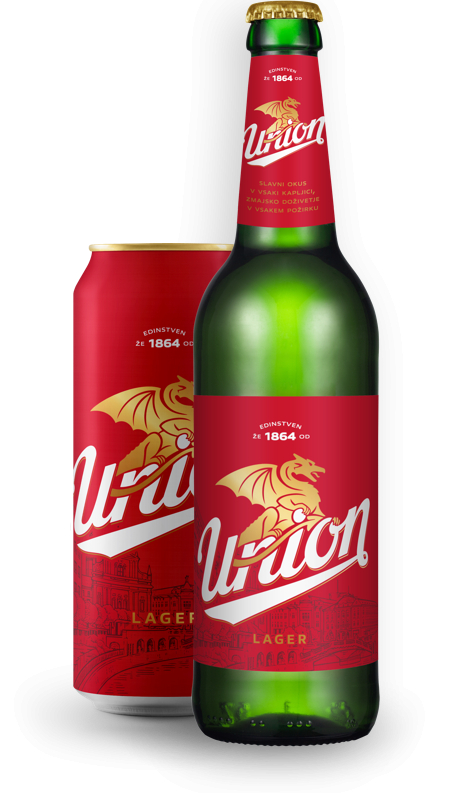
For someone tasting Union for the first time, Union Lager is the obvious introduction.
It represents the classic side of the brand: a pale lager designed around the clean, refreshing character associated with the style.
Union describes its lager as its most recognisable beer, with a tradition stretching back more than 150 years.
The beer has 4.9% alcohol and is recommended to be served chilled at approximately 6–8°C.
For travellers accustomed to Central European lagers, the style will feel familiar.
It is designed to be approachable and refreshing rather than aggressively bitter or intensely aromatic.
That makes it suitable for the occasions in which lager has traditionally excelled: with food, during social gatherings or simply as a refreshing beer at the end of a long day.
What Does Union Lager Taste Like?
Beer tasting is subjective, but understanding the basic characteristics of a lager can help visitors know what to expect.
A classic pale lager generally emphasises:
a clean flavour profile,
malt character,
balanced hop bitterness,
high drinkability,
and a refreshing finish.
Compared with heavily hopped modern craft beers, a traditional lager is usually less dominated by intense citrus, tropical fruit or resinous hop aromas.
Compared with dark beers, it is lighter in colour and generally less focused on roasted or caramelised malt flavours.
This accessibility is part of the reason lager became one of the world’s dominant beer styles.
For travellers beginning to explore Slovenian beer, Union Lager provides an easy reference point before moving towards other styles.
Why Is Union Beer Associated With Ljubljana?
Beer brands often become associated with particular regions, but Union’s relationship with Ljubljana is especially visible.
Its historic brewing location is part of the city itself.
Union Experience remains at Celovška cesta 22, near Tivoli and the Šiška district.
For generations of residents, Union therefore has not been an abstract national brand.
It has been a Ljubljana brewery.
This local identity remains important even as beer production and the wider brewing industry have changed.
Visitors can physically explore that relationship today.
Instead of merely reading about Union’s history, they can visit the location, explore its brewing heritage and discover how the brand developed.
This transforms the relationship between product and city into a tourism experience.
Union Experience: Discover the Story Behind the Beer
Anyone interested in Union Beer can go much further than simply ordering a glass.
Union Experience introduces visitors to more than 160 years of brewing heritage through a guided experience at Union’s Ljubljana location.
The experience includes historical storytelling, museum exhibits connected with brewing and beer tasting for eligible adult visitors.
For tourists, this provides valuable context.
A beer you may have first encountered on a restaurant menu suddenly becomes connected with industrial history, brewing equipment, generations of workers and the development of Ljubljana.
That is precisely what makes brewery tourism interesting.
The product becomes a doorway into the destination.
Visit the Union Brewery Museum
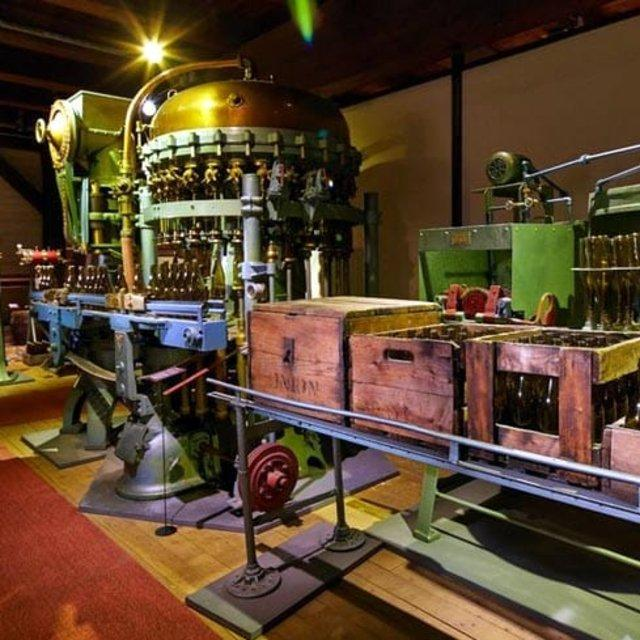
A central part of Union Experience is the Union Brewery Museum.
Historic brewery equipment and exhibits help visitors understand how beer production developed over generations.
This is particularly fascinating because modern beer production can make brewing appear almost effortless.
Open a bottle or order a draught beer and the complex process behind it is invisible.
The museum reverses that.
Visitors begin to see beer as the result of raw ingredients, brewing knowledge, equipment, fermentation and technological development.
The exhibits also provide insight into how dramatically breweries have changed since the nineteenth century.
For anyone interested in industrial heritage, the museum can therefore be just as interesting as it is for dedicated beer enthusiasts.
How Is Beer Made?
At its most basic level, beer is built around four essential ingredients:
water, malt, hops and yeast.
But transforming those ingredients into beer requires a carefully controlled brewing process.
Malted grain provides fermentable sugars and much of the beer’s body and flavour.
Hops contribute bitterness and aroma while helping balance malt sweetness.
Yeast converts fermentable sugars into alcohol and carbon dioxide while also contributing to the beer’s flavour profile.
Water makes up the majority of the finished beer and can influence brewing characteristics depending on its mineral composition.
From these basic ingredients, brewers can create an extraordinary range of styles.
Change the malt.
Change the hops.
Change the yeast.
Change fermentation conditions.
Change proportions or brewing techniques.
The result can be completely different.
This is why the modern beer world includes everything from crisp lagers to dark stouts and intensely aromatic IPAs.
The Importance of Water in Brewing
Water is sometimes the most overlooked beer ingredient.
Consumers naturally focus on hops, malt and alcohol, but beer consists primarily of water.
Historically, the availability and composition of local water could significantly influence where breweries developed and which beer styles became associated with particular places.
Union’s own storytelling connects the brewery’s location with the water beneath it.
This connection even appears in the legend surrounding the Union dragon, which is said to have revealed an excellent groundwater source beneath the brewery after being rescued by the Kosler brothers.
The story combines brewing heritage with one of Ljubljana’s most recognisable symbols.

The Union Dragon: Beer Meets Ljubljana Legend
Ljubljana is a city of dragons.
The dragon appears on the city’s coat of arms and famously guards Dragon Bridge, one of Ljubljana’s best-known landmarks.
Union also has its own dragon.
The Union dragon has become part of the brewery’s visual identity and storytelling, creating an immediate connection between the beer brand and its home city.
For tourists, this adds another layer to the experience.
A visitor might begin the morning photographing dragons on the bridge in the historic centre and later encounter another dragon while discovering Ljubljana’s beer culture.
It is a small detail, but exactly the kind of connection that makes a destination memorable.
From Historic Union Beer to Contemporary Beer Culture
One of the challenges for any brewery with more than a century of history is balancing tradition with changing tastes.
Consumers still want familiar beers.
But they also want choice.
The rise of craft beer has transformed expectations around hops, beer styles, seasonal releases and experimentation.
Alcohol-free beer has improved dramatically and become much more mainstream.
Radlers provide lighter, fruitier alternatives.
Beer drinkers are increasingly willing to try something unfamiliar.
Union’s contemporary beer story reflects this broader shift.
Classic Union Lager remains central to the brand, but it now exists within a much more diverse beer environment.
Hoppy Lager and the Changing Taste of Beer Drinkers
One interesting development is the growing popularity of Hoppy Lager.
Traditional lager is generally associated with a clean, balanced and refreshing profile.
Modern beer drinkers, influenced partly by craft brewing, have become increasingly interested in stronger hop aromas.
A Hoppy Lager combines elements of these two worlds.
It retains the refreshing characteristics associated with lager while giving hops a more prominent role.
This can make the style particularly appealing to people who enjoy lager but want something more aromatic or expressive.
It also demonstrates how traditional beer categories continue to evolve rather than remaining fixed.
Union Radler and Lighter Beer-Based Drinks
Not everyone wants a classic lager.
Radler provides a completely different beer-related experience.
Traditionally combining beer with a lemonade or citrus component, Radler is lighter, fruitier and closely associated with refreshment.
The word Radler means cyclist in German, reflecting the drink’s long cultural association with cycling and refreshment in Central Europe.
Modern versions have expanded the category considerably.
Today consumers can find alcoholic Radlers, low-alcohol versions and completely alcohol-free alternatives.
One particularly interesting contemporary interpretation is Union Radler 0.0 Isotonic, which combines alcohol-free drinking with isotonic properties.
It demonstrates just how far the modern definition of a beer-related beverage has expanded.
The Rise of Alcohol-Free Beer
The growth of non-alcoholic beer is one of the most significant changes in contemporary drinking culture.
Consumers increasingly want products that allow them to participate in beer occasions without consuming alcohol.
The reasons vary.
Driving.
Sport.
Health-conscious choices.
Work.
Personal preference.
Or simply wanting to alternate alcoholic and non-alcoholic drinks during an evening.
This has encouraged breweries to treat alcohol-free products as a serious category rather than an afterthought.
For travellers, this also means exploring Slovenian beer culture no longer requires drinking alcohol.
Pivnica Union: Where to Drink Union Beer in Ljubljana
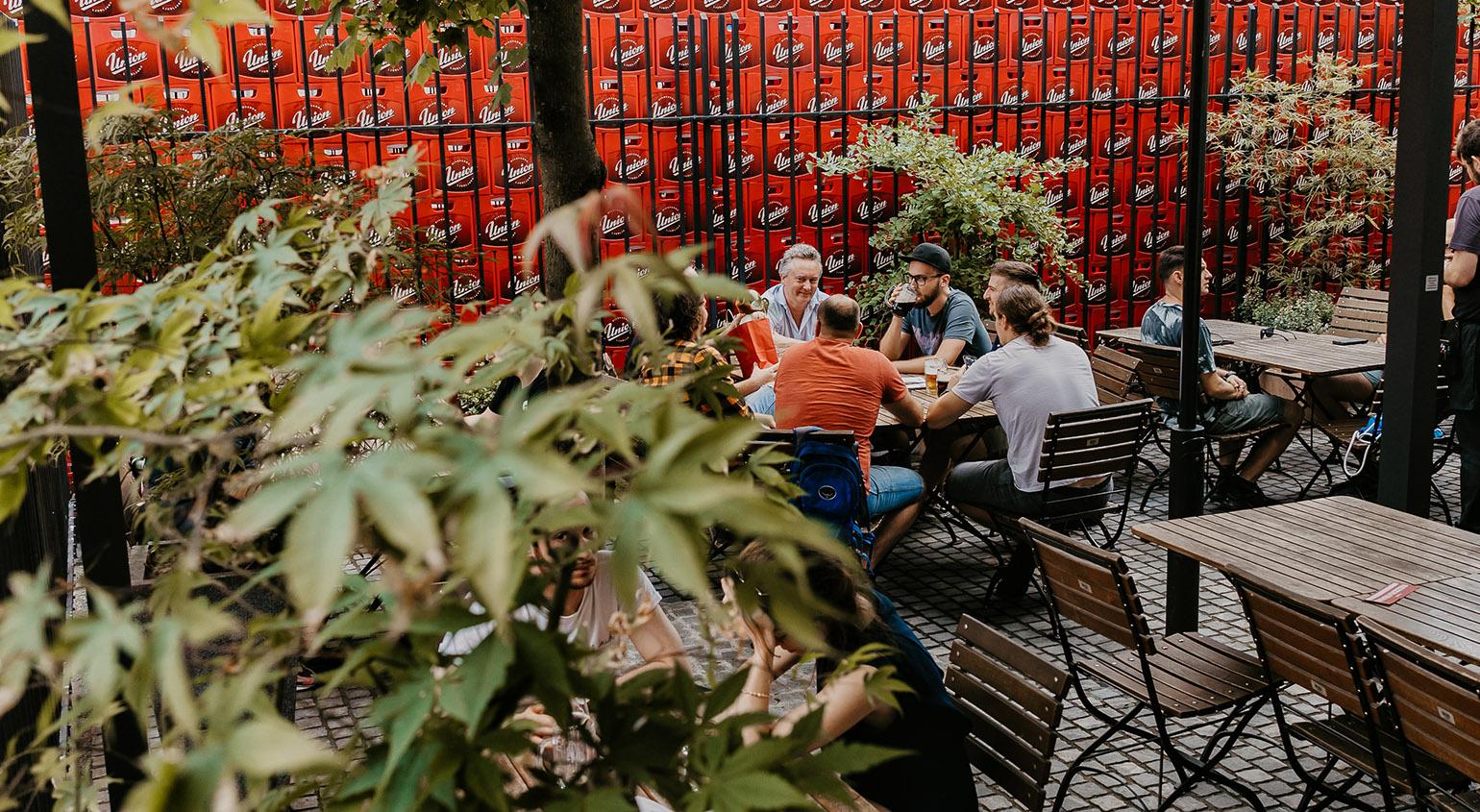
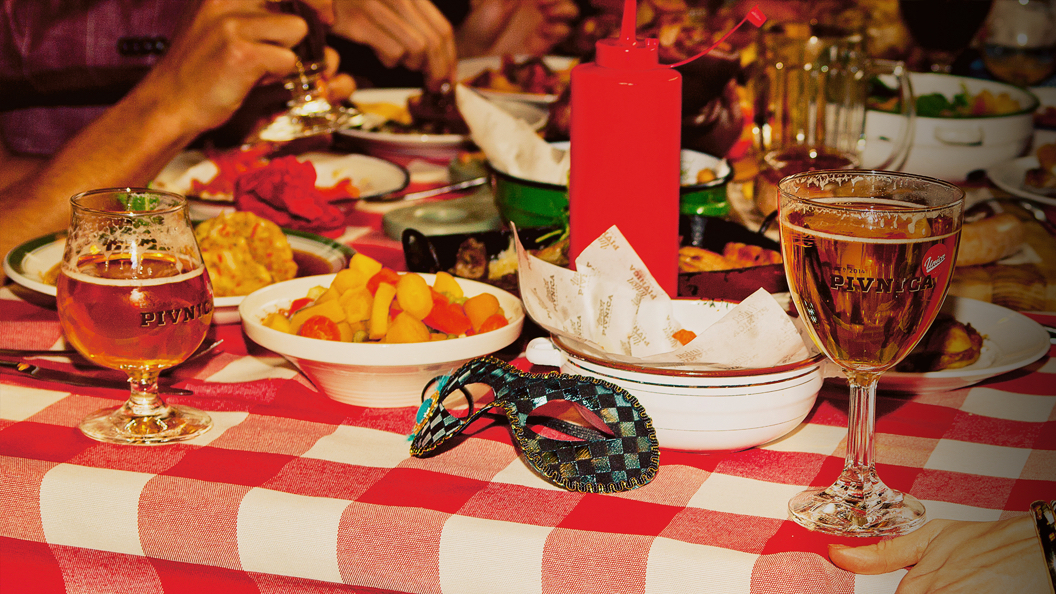
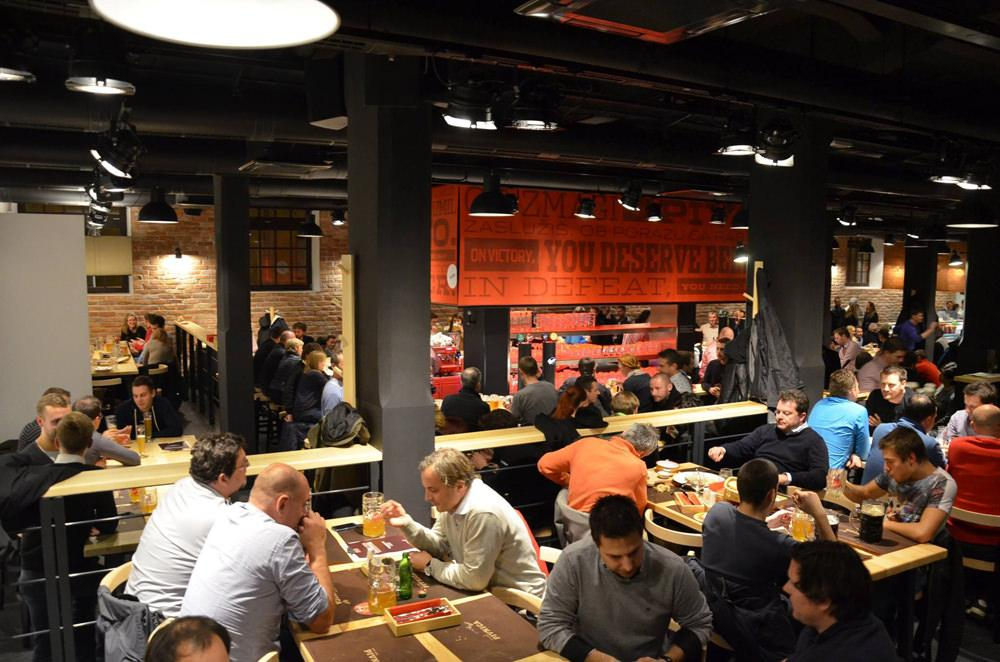
If you want to experience Union in the location most closely connected with its Ljubljana identity, head to Pivnica Union at Celovška cesta 22.
The pub forms part of the wider Union Experience and combines beer with food in a contemporary beer-hall environment.
This makes it a natural continuation after visiting the brewery museum.
First learn the history.
Then taste the beer.
Then sit down and enjoy the social side of brewing culture.
For international visitors searching for where to drink beer in Ljubljana, Pivnica Union is particularly interesting because the location adds meaning to the product.
You are not simply ordering Union.
You are drinking it at its historic Ljubljana home.
The Union City Microbrewery: A New Chapter Since 2026
Union’s Ljubljana story gained an important new chapter in 2026 with the opening of the Union city microbrewery within Pivnica Union.
The concept focuses on smaller batches, seasonal flavours and brewing specialties.
Visitors can observe brewing activity through a glass wall and then experience beer in the same environment.
This creates an intriguing contrast with the historic brewery museum.
The museum contains equipment that explains how brewing worked in earlier generations.
The city microbrewery shows beer being approached from a contemporary perspective.
One location therefore tells two stories.
Where brewing came from.
And where it might go next.
Union Beer and the Slovenian Craft Beer Revolution
Slovenia’s beer scene has changed enormously.
For many years, Slovenian beer culture was dominated by a small number of large, familiar brewing names.
Today, the country also has an active craft beer scene.
Small breweries have introduced consumers to IPAs, pale ales, stouts, sour beers, experimental fermentation and countless variations built around different hop and malt profiles.
This does not mean traditional lager has disappeared.
Quite the opposite.
It means consumers now have more context in which to understand it.
Beer drinkers can appreciate a clean classic lager one day and an aggressively hopped IPA the next.
Union occupies an interesting place within this new landscape because it carries deep historic brewing heritage while also experimenting through its city microbrewery.
Is Union a Craft Beer?
Union itself is not generally defined as a small independent craft brewery.
It is a historic and established Slovenian brewing brand.
However, the modern Union story now includes brewing activities associated with craft culture.
The city microbrewery’s emphasis on small batches, seasonal flavours and experimentation brings craft-inspired thinking directly into the Union environment.
This distinction is useful.
“Craft” does not need to become a synonym for “good”, just as “large brewery” does not automatically mean conventional or uninteresting.
Beer is better understood through style, ingredients, brewing approach and flavour.
For visitors, exploring both traditional and craft beer provides a much richer understanding of Slovenian brewing.
Beer in Slovenia: Union and Laško
Anyone exploring beer in Slovenia will quickly encounter two historic names: Union and Laško.
Both have played major roles in Slovenian beer culture and are deeply familiar to local consumers.
Union is historically associated with Ljubljana, while Laško’s identity is connected with the town of Laško.
Visitors sometimes approach the two almost as rival teams.
Which one is better?
The answer depends on personal preference.
Beer taste is subjective, and the more interesting approach for travellers is to try different Slovenian beers and decide for themselves.
Union’s particular advantage for visitors to Ljubljana is that its history can be explored directly in the capital through Union Experience.
How Much Does Beer Cost in Slovenia?
Travellers frequently search for Slovenia beer prices before arriving.
The answer varies considerably according to location.
A beer in a supermarket will cost much less than one served in a bar.
Prices in central tourist locations can differ from neighbourhood pubs.
Craft and specialty beers can cost more than mainstream lager.
Serving size also matters.
Rather than focusing only on price, beer travellers should consider the type of experience they want.
A supermarket beer answers the question: “What does Union taste like?”
A beer at Pivnica Union after visiting the brewery answers a much more interesting question:
“What does Union mean to Ljubljana?”
What Beer Should You Try in Slovenia?
There is no single correct answer to the question of the best beer in Slovenia.
Start with the classics.
Try a Slovenian lager such as Union.
Then explore further.
Try something hop-forward.
Discover Slovenian craft breweries.
Compare a lager with an ale.
Try a seasonal beer.
Explore alcohol-free options.
Taste a Radler.
The Slovenian beer scene is now diverse enough that reducing it to one “best beer” misses the point.
For travellers, discovery is much more interesting than ranking.
Useful Slovenian Beer Words
Knowing a few words makes ordering beer in Slovenia more enjoyable.
Pivo – beer
Pivovarna – brewery
Pivnica – pub or beer hall
Svetlo pivo – pale/light beer
Temno pivo – dark beer
Točeno pivo – draught beer
Brezalkoholno pivo – non-alcoholic beer
Hmelj – hops
Na zdravje! – Cheers!
If you remember only two, make them pivo and na zdravje.
They will take you surprisingly far.
Union Beer as Part of a Ljubljana Itinerary
For travellers interested in food and drink, Union can easily become part of a wider Ljubljana itinerary.
Start in the historic centre.
Explore Prešeren Square, Triple Bridge and Central Market.
Walk beside the Ljubljanica.
See Dragon Bridge.
Visit Ljubljana Castle.
Then move beyond the traditional tourist route.
Walk through Tivoli Park and continue towards Union Experience.
Explore the brewery museum.
Learn about more than 160 years of brewing.
Taste the beer.
See the new city microbrewery.
And finish at Pivnica Union.
It provides a satisfying transition from sightseeing to local experience.
Why Beer Can Tell You Something About a City
Food and drink are often treated as additions to travel.
In reality, they can be some of the best ways to understand a destination.
Local products reveal geography, agriculture, industry, migration, technology and social habits.
Beer is no exception.
Union’s story reflects the development of brewing in Ljubljana across more than a century and a half.
Its historic equipment tells one part of that story.
Its classic lager tells another.
Its modern alcohol-free products show changing consumer behaviour.
And the city microbrewery demonstrates that even a historic beer identity can continue to evolve.
Seen from this perspective, Union Beer is not simply something Ljubljana drinks.
It is part of what Ljubljana has made.
Discover Union Beer at Its Ljubljana Home
You can try Union Beer almost anywhere in Slovenia.
But there is only one place where you can connect the beer directly with more than 160 years of Ljubljana brewing heritage.
At Union Experience, the story begins before the beer reaches your glass.
Visitors discover historic brewing equipment, learn about generations of beer production and explore the relationship between Union and Ljubljana.
At Pivnica Union, that history becomes contemporary.
And at the city microbrewery, the next chapter is already being brewed.
For beer lovers, that makes Union’s Ljubljana home worth visiting.
For everyone else, it provides a surprisingly interesting way to discover another side of Slovenia’s capital.
Order a beer.
Learn the story.
And when the glasses are raised, remember the most important Slovenian beer phrase of all:
Na zdravje!
Frequently Asked Questions About Union Beer
1. What is Union Beer?
Union is one of Slovenia’s best-known historic beer brands and is particularly associated with Ljubljana. Its brewing story dates back to 1864, giving it more than 160 years of brewing heritage.
2. Where does Union Beer come from?
Union’s historic home is Ljubljana, Slovenia. Visitors can explore its brewing heritage at Union Experience on Celovška cesta 22.
3. What type of beer is Union Lager?
Union Lager is a pale lager. It has 4.9% alcohol and represents the classic and most recognisable side of the Union beer range.
4. What does Union Lager taste like?
Union Lager follows the accessible profile associated with pale lager, combining malt character, hop bitterness and a clean, refreshing finish. Individual perceptions of flavour naturally vary.
5. Is Union Beer Slovenian?
Yes. Union is a historic Slovenian beer brand whose identity is closely connected with Ljubljana and Slovenian brewing culture.
6. Can I visit the historic home of Union Beer?
Yes. Union Experience in Ljubljana allows visitors to explore more than 160 years of brewing history through museum exhibits, guided storytelling and beer tasting for eligible adult visitors.
7. Where can I drink Union Beer in Ljubljana?
Union is widely available in Ljubljana, but Pivnica Union at Celovška cesta 22 provides a particularly relevant experience because it is located at Union’s historic Ljubljana home.
8. Does Union make non-alcoholic drinks?
Yes. The contemporary Union range includes alcohol-free options, including products such as Union Radler 0.0 Isotonic, reflecting growing demand for 0.0% alternatives.
9. Does Union have a microbrewery?
Yes. A new Union city microbrewery opened within Pivnica Union in 2026. It focuses on smaller batches, seasonal flavours and brewing specialties.
10. Is Union the best beer in Slovenia?
There is no objective “best beer” because taste is personal. Union is, however, one of Slovenia’s most established beer names and an important starting point for visitors who want to understand the country’s brewing culture.