









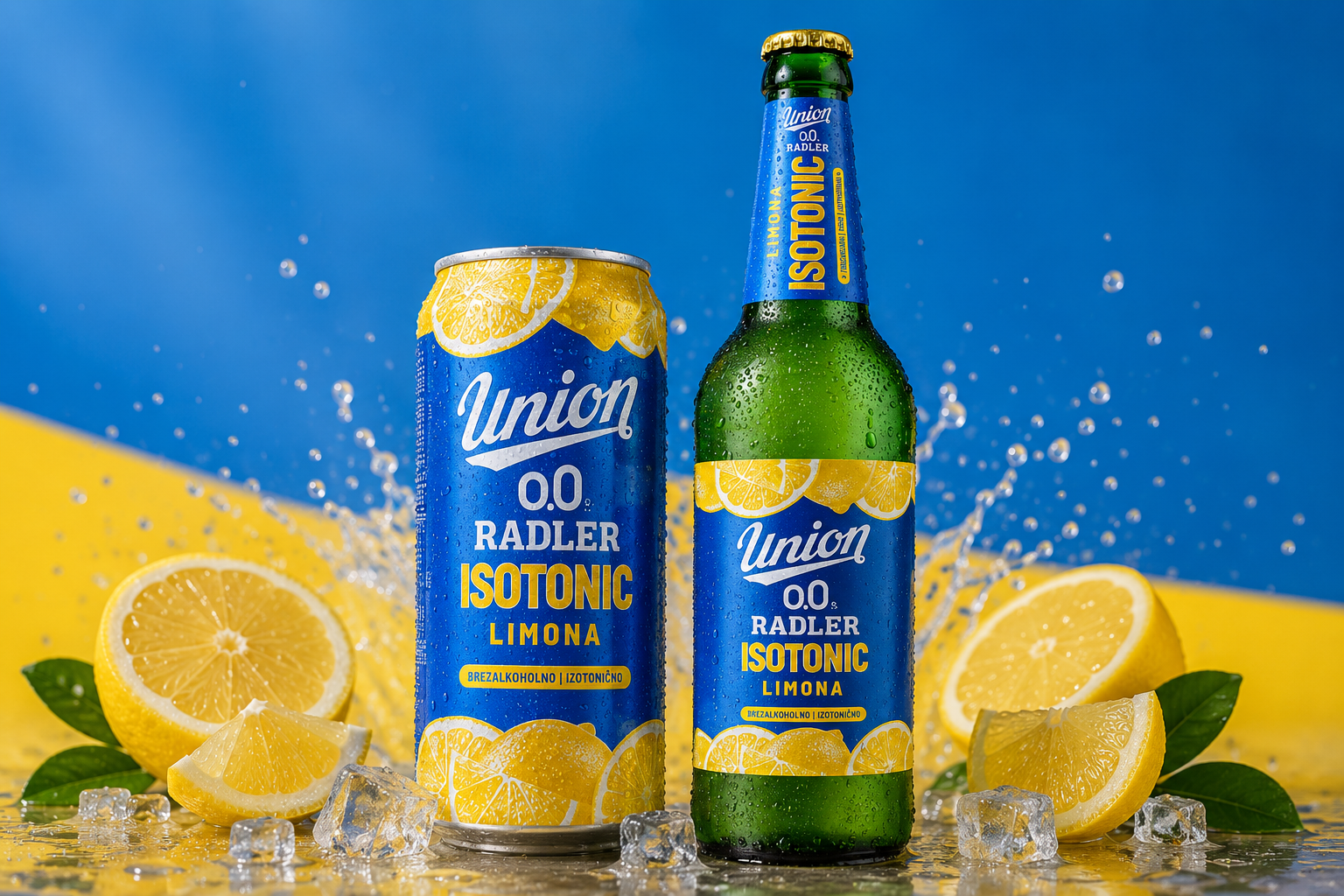

Beer culture is changing. Alongside classic lagers, craft beers and hop-forward specialties, consumers are increasingly looking for drinks that fit more active lifestyles, contain no alcohol and still provide the refreshing character associated with beer.
This is where Isotonic Radler enters the picture.
For visitors discovering Slovenian beer culture, Union Radler 0.0 Isotonic represents an interesting example of how one of Slovenia’s most established brewing names is adapting traditional beer-based refreshment to contemporary drinking habits.
It combines the familiar idea of a Radler with 0.0% alcohol, refreshing citrus character and isotonic properties, creating a drink that sits somewhere between modern non-alcoholic beer culture and functional refreshment.
But what exactly is an isotonic Radler? How is it different from a conventional Radler? What does “isotonic” actually mean? And why have alcohol-free beer-based drinks become increasingly relevant?
To understand the answer, we first need to look at the drink behind the name.
What Is a Radler?
A Radler is traditionally a refreshing drink combining beer with a soft drink, most commonly lemonade or another citrus-flavoured beverage.
The concept is particularly well established across Central Europe, including Slovenia, Austria and Germany.
Compared with conventional beer, Radlers generally have a lighter, fruitier and sweeter flavour profile. Their refreshing character has made them especially popular during warmer months and in situations where a full-strength beer may feel too heavy.
The word itself has an interesting connection with active lifestyles.
Radler means cyclist in German.
According to one of the best-known stories surrounding the drink, the beer-and-lemonade mixture became associated with cyclists in Bavaria during the early twentieth century. Whether every detail of the popular origin story is historically precise or not, the connection between Radler and refreshment has remained strong.
Today, the category has expanded far beyond a simple mixture of lager and lemonade.
There are alcoholic Radlers, low-alcohol versions and completely alcohol-free Radlers, alongside different fruit combinations and more contemporary functional interpretations.
What Is an Isotonic Radler?
An Isotonic Radler adds another concept to the traditional Radler category: isotonicity.
The term isotonic is commonly associated with drinks formulated so that the concentration of dissolved particles is similar to that of body fluids.
In practical terms, isotonic drinks are designed around efficient fluid and nutrient absorption.
This concept is most familiar from sports drinks, but it can also be applied to other types of beverages.
An isotonic alcohol-free Radler therefore combines several characteristics:
the refreshing beer-and-citrus concept associated with Radler,
0.0% alcohol,
and a beverage composition with isotonic properties.
The result is very different from a traditional alcoholic beer.
It is designed primarily around refreshment.
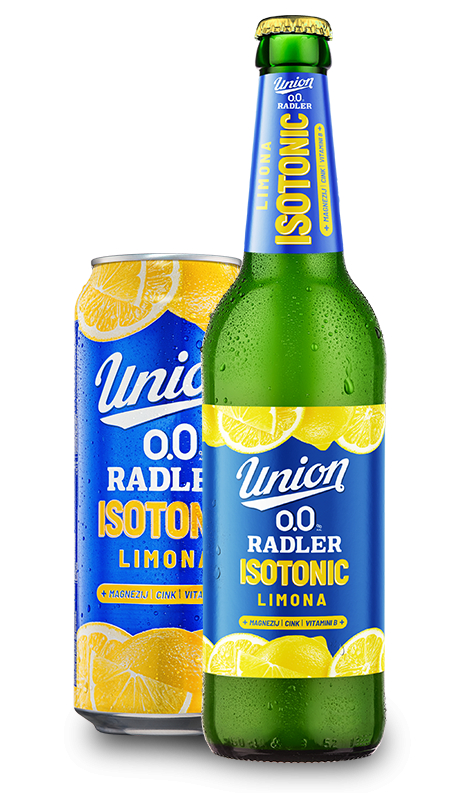
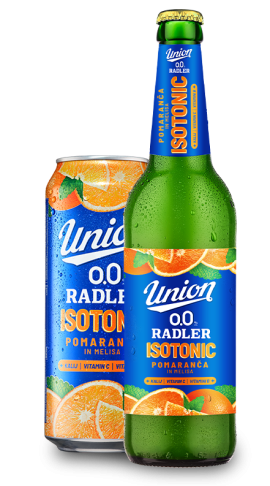
Union Radler 0.0 Isotonic
Within the Union portfolio, Union Radler 0.0 Isotonic represents this modern approach to the Radler category.
The important distinction is already visible in the name: 0.0.
This means the drink contains no alcohol, making it fundamentally different from conventional alcoholic Radlers.
For consumers, this opens considerably more situations in which a beer-inspired drink can be enjoyed.
Perhaps you are driving.
Perhaps you simply do not drink alcohol.
Perhaps it is the middle of the day.
Perhaps you want the refreshing character associated with a Radler without consuming alcohol.
The growth of drinks such as Isotonic Radler reflects a broader change in drinking culture.
Consumers increasingly want choice.
Why Is 0.0% Alcohol Becoming More Important?
For a long time, non-alcoholic beer occupied a relatively narrow position in the beverage market.
That is changing.
Across Europe and elsewhere, consumers have become increasingly interested in alcohol-free beer, low-alcohol alternatives and drinks that provide a familiar adult flavour experience without intoxication.
There are many reasons for this shift.
Some consumers are reducing alcohol consumption.
Others alternate between alcoholic and alcohol-free drinks.
Drivers want alternatives beyond water and conventional soft drinks.
People may avoid alcohol during lunch or working hours.
Others simply prefer alcohol-free products.
The important point is that 0.0 beer and Radler products are increasingly becoming a category of their own, rather than merely substitutes for people who cannot drink conventional beer.
For a historic brewing brand such as Union, this represents an interesting evolution.
The brewing tradition remains.
The drinking occasion changes.
Is Isotonic Radler the Same as Non-Alcoholic Beer?
No.
Although both may contain 0.0% alcohol, an isotonic Radler and conventional non-alcoholic beer are not necessarily the same type of drink.
Non-alcoholic beer generally aims to preserve the flavour characteristics associated with beer.
A Radler deliberately introduces a fruit or citrus component, creating a lighter and typically sweeter flavour profile.
An Isotonic Radler goes another step further by adding isotonic properties to the concept.
So while all of these beverages can exist within the broader alcohol-free beer category, their intended flavour and drinking experience can be quite different.
Someone looking for traditional malt and hop character may prefer a non-alcoholic lager.
Someone looking for citrus-forward refreshment may prefer a Radler.
That distinction is worth understanding before choosing between them.
Why Lemon and Beer Work So Well Together
There is a reason citrus flavours have been paired with beer for generations.
Lager typically provides malt character, carbonation and some hop bitterness.
Lemon brings acidity, aroma and freshness.
Together, these characteristics can balance each other.
The citrus element makes the drink feel lighter, while the underlying beer character prevents it from tasting exactly like a conventional lemonade.
This balance is one of the reasons Radler has remained popular across Central Europe.
It is recognisably connected with beer but provides a different experience from drinking a standard lager.
For visitors travelling through Slovenia during summer, seeing Radler on drinks menus is therefore perfectly normal.
Radler and Slovenian Beer Culture
Beer has a long tradition in Slovenia, and Radler has become a familiar part of the country’s wider beverage culture.
Walk into a Slovenian bar, restaurant or shop and you are likely to encounter classic lager alongside different Radler and alcohol-free options.
This makes Radler particularly interesting for international travellers.
Visitors sometimes arrive expecting Slovenian beer culture to revolve almost exclusively around pale lager.
In reality, the market has become considerably broader.
Classic beer remains important.
Craft beer has expanded the range of styles available.
Hop-forward beers have introduced new flavour profiles.
And non-alcoholic beer and Radler products provide alternatives for different occasions.
The evolution of Union’s range reflects many of these wider changes.
Union: A Brewing Story That Continues to Evolve
Union’s connection with Ljubljana stretches back to 1864.
That makes the development of newer products particularly interesting.
A brewing company with more than 160 years of heritage could simply rely on tradition.
Instead, modern beer culture requires breweries to balance consistency with innovation.
Classic Union Beer remains part of the brand’s identity, while products such as alcohol-free and isotonic Radlers address completely different drinking occasions.
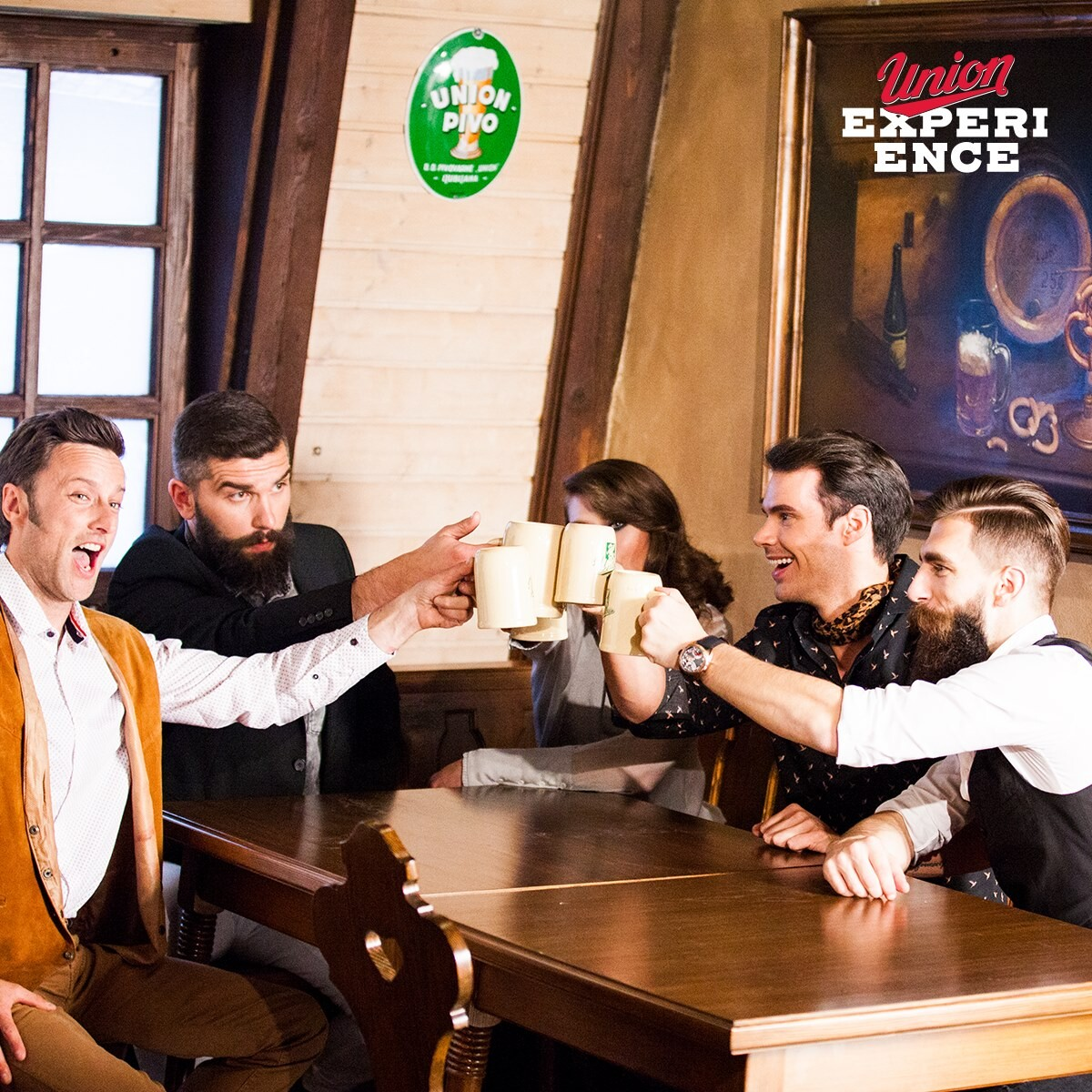
The same evolution can now be seen physically at Union Experience in Ljubljana.
The Union Brewery Museum preserves historic brewing heritage, while the new city microbrewery opened in 2026 creates space for smaller batches, seasonal beers and experimentation.
The past remains visible.
But brewing culture continues to move forward.
Isotonic Drinks and Active Lifestyles
The word isotonic is strongly associated with sport.
That does not mean every isotonic beverage should automatically be treated as a sports-performance product.
It simply describes an important property of the drink’s composition.
This distinction matters.
Consumers should not assume that the word isotonic means a beverage will automatically improve athletic performance or replace specialised sports nutrition.
Instead, isotonicity describes how the concentration of dissolved particles in the drink relates to body fluids.
For an alcohol-free Radler, this adds an interesting functional dimension to a beverage category traditionally associated primarily with flavour and refreshment.
The result fits naturally with broader trends towards lighter and alcohol-free drinking occasions.

Can You Drink Isotonic Radler After Exercise?
An alcohol-free isotonic beverage can naturally appeal to people looking for refreshment after physical activity.
The absence of alcohol is particularly relevant here.
Alcohol and exercise recovery are generally not an ideal combination, which is one reason conventional beer and a 0.0% alcohol beverage should not be treated as equivalent choices after activity.
However, it is also important not to turn a refreshing beverage into a medical or sports-nutrition claim.
Hydration requirements depend on exercise intensity, duration, temperature, individual needs and other factors.
For casual activities such as walking or recreational cycling, many people simply look for something refreshing afterwards.
And this is precisely the type of occasion where a 0.0 Isotonic Radler may make intuitive sense.
The Cycling Connection Comes Full Circle
There is something particularly appropriate about combining the terms Radler and isotonic.
Remember that Radler literally means cyclist.
The drink has been associated with cycling and refreshment since the popularisation of beer-and-lemonade mixtures in Central Europe.
More than a century later, the development of an alcohol-free isotonic Radler almost brings the concept back to its linguistic roots.
A drink historically associated with cyclists is reinterpreted for contemporary consumers interested in lighter and alcohol-free options.
For travellers exploring Slovenia by bicycle – something increasingly popular thanks to the country’s compact size and remarkable landscapes – even the name carries an amusing piece of beer history.
Is Isotonic Radler Suitable for Drivers?
The key characteristic to look for is 0.0% alcohol.
Union Radler 0.0 Isotonic belongs to the alcohol-free category, making it fundamentally different from an alcoholic beer or conventional alcoholic Radler.
Consumers should nevertheless always check the specific product label when choosing any beverage, particularly because alcohol levels can differ between brands and products sold under broadly similar category names.
“Radler” itself does not automatically mean alcohol-free.
Some Radlers contain alcohol.
Others are low alcohol.
Others are 0.0%.
The number on the label matters.
Alcohol-Free Does Not Have to Mean Boring
One of the biggest changes in modern drinking culture is the expectation that alcohol-free beverages should be interesting in their own right.
For years, people avoiding alcohol often had limited choices.
Water.
Juice.
Soft drinks.
Perhaps one non-alcoholic beer.
That landscape is changing rapidly.
Modern consumers expect more variety from alcohol-free products, including different beer styles, botanical drinks, sophisticated mixed beverages and fruit-forward beer alternatives.
Isotonic Radler fits naturally within this change.
It is not trying to reproduce every characteristic of a classic lager.
Instead, it offers its own combination of citrus refreshment, beer heritage and 0.0% alcohol.
A Useful Choice During a Ljubljana City Break
Travelling often involves long days.
You walk through the old town.
Climb to Ljubljana Castle.
Explore Tivoli Park.
Visit museums.
Spend hours outside during summer.
And sometimes you want something more interesting than water without necessarily wanting an alcoholic drink.
For travellers exploring Ljubljana, an alcohol-free Radler provides another local option.
It also offers an easy introduction to the broader Union beer family without requiring alcohol consumption.
Visitors interested in the history behind the brand can go one step further by visiting Union Experience at Celovška cesta 22.
There, the drink becomes part of a much larger story.
Discover Union Experience in Ljubljana
Union Experience introduces visitors to more than 160 years of Ljubljana brewing history.
The guided experience combines the Union Brewery Museum, historic brewing exhibits, storytelling and beer tasting for eligible adult visitors.
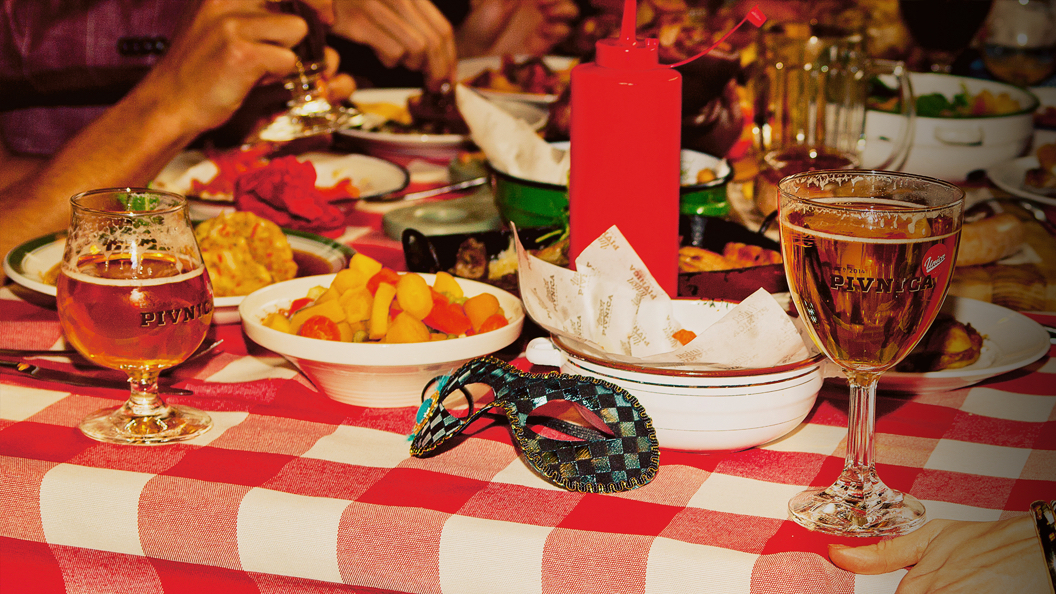
Nearby Pivnica Union allows visitors to continue exploring the brand’s beer and food culture after the tour.
Since 2026, the destination has also included the new Union city microbrewery, where smaller batches and seasonal brewing ideas bring another dimension to the historic brewery location.
For visitors interested in beer, the combination is particularly useful.
You can learn about traditional brewing.
Discover how the Union brand developed.
Explore contemporary beer culture.
And compare alcoholic and alcohol-free interpretations of beer-based drinks.
From Classic Union Lager to Modern Alcohol-Free Alternatives
The contrast between Union Lager and Union Radler 0.0 Isotonic demonstrates just how broad modern beer culture has become.
One represents classic lager tradition.
The other responds to a very different drinking occasion.
Neither needs to replace the other.
This is perhaps the most important development in contemporary beer culture: consumers no longer necessarily choose one category exclusively.
Someone may enjoy a classic lager with dinner and choose an alcohol-free Radler the following afternoon.
A craft beer enthusiast may also drink non-alcoholic beer.
A person who rarely drinks alcohol may still enjoy beer-inspired flavours.
Choice has become more important than category loyalty.
What Does Isotonic Radler Taste Like?
People encountering the category for the first time should expect something different from conventional lager.
The defining characteristic of a Radler is its refreshing, fruit-forward nature.
Citrus flavours provide freshness and acidity, while the beer component gives the drink an underlying connection with traditional brewing.
The result is generally easier and lighter in character than a hop-forward beer.
For someone who finds conventional beer too bitter, Radler can therefore provide a more approachable introduction to beer-based beverages.
It is particularly associated with warm weather, outdoor activities and casual refreshment.
Radler vs Lager: What Is the Difference?
The simplest distinction is flavour and composition.
A lager is beer.
A Radler traditionally combines beer with a citrus-flavoured soft drink or lemonade-style component.
As a result, lager usually provides a more pronounced malt-and-hop profile, while Radler is typically fruitier and sweeter.
Alcohol content can also differ considerably.
Standard lagers commonly contain alcohol.
Traditional Radlers often contain less alcohol because the beer is diluted with a soft drink.
Modern Radlers may also contain 0.0% alcohol.
Union Radler 0.0 Isotonic belongs to this latter category.
Radler vs Sports Drink: Are They the Same?
No.
The fact that a beverage is isotonic does not automatically make it equivalent to every sports drink.
Sports drinks may be formulated for specific nutritional purposes and can contain particular quantities of carbohydrates, electrolytes and other ingredients.
An Isotonic Radler remains a beer-inspired refreshing beverage with its own formulation and intended drinking experience.
Consumers looking for specific hydration or sports nutrition requirements should always check nutritional information and choose products according to their individual needs.
The important takeaway is simpler:
“isotonic” describes a property of the beverage.
It does not turn every isotonic drink into the same product.
Why Isotonic Radler Represents the Changing Beer Market
Beer is no longer defined exclusively by traditional alcoholic styles.
The modern market includes:
classic lager,
craft beer,
IPA and hop-forward styles,
low-alcohol beer,
non-alcoholic beer,
Radler,
0.0% Radler,
and increasingly specialised products designed around different occasions.
Isotonic Radler is an excellent example of how these categories continue to evolve.
It takes a familiar Central European beer tradition and adapts it to modern expectations around alcohol-free choice and refreshment.
For a brewery with more than 160 years of history, that evolution is particularly interesting.
Tradition does not necessarily mean standing still.
A Modern Addition to Slovenia’s Beer Story
Visitors interested in Slovenian beer should look beyond the question of which lager is most popular.
Slovenia’s contemporary beer culture includes historic breweries, a vibrant craft scene, experimental beers and a rapidly developing alcohol-free segment.
Union provides an interesting window into all of these changes because its Ljubljana story spans generations.
At Union Experience, visitors can physically move between different chapters of that history.
The museum looks backwards.
Pivnica Union represents contemporary beer culture.
The city microbrewery experiments with what comes next.
And products such as Union Radler 0.0 Isotonic show how the definition of a beer-related drink continues to expand.
That is what makes modern brewing culture so interesting.
Sometimes innovation means creating a completely new beer style.
And sometimes it means reconsidering when, where and why people want to drink something connected with beer in the first place.
Frequently Asked Questions About Isotonic Radler
1. What is an Isotonic Radler?
An Isotonic Radler is a Radler-style beverage with isotonic properties. A Radler traditionally combines beer character with a refreshing citrus or lemonade-style component. Modern versions can also be completely alcohol-free.
2. Does Union Radler 0.0 Isotonic contain alcohol?
The 0.0 designation identifies Union Radler 0.0 Isotonic as an alcohol-free product. Consumers should always check the current product label for exact composition and nutritional information.
3. What does the word Radler mean?
Radler means cyclist in German. The beer-and-lemonade drink has a long association with cycling and refreshment in Central European beer culture.
4. What does isotonic mean in a drink?
An isotonic drink has a concentration of dissolved particles designed to be similar to that of body fluids. The term describes a property of the beverage and should not automatically be interpreted as a specific sports-performance claim.
5. Is Isotonic Radler the same as non-alcoholic beer?
Not exactly. Non-alcoholic beer generally focuses on traditional beer flavour, while Radler includes a fruit or citrus component. An Isotonic Radler additionally has isotonic properties.
6. What is the difference between Radler and lager?
Lager is a beer style based primarily on malt, hops, water and yeast. Radler traditionally combines beer with a lemonade or citrus-flavoured component, producing a fruitier and often lighter-tasting drink.
7. Is every Radler alcohol-free?
No. Radlers can be alcoholic, low-alcohol or completely alcohol-free. Always check the alcohol percentage on the individual product.
8. Why are 0.0 beer drinks becoming more popular?
Consumers increasingly want alternatives for occasions when they do not want alcohol. Driving, daytime socialising, active lifestyles and changing attitudes towards alcohol consumption have all contributed to growing interest in 0.0 beverages.
9. Where can visitors learn more about Union beer in Ljubljana?
Visitors can explore the history of Union at Union Experience, located at Celovška cesta 22 in Ljubljana. The destination includes a brewery museum, guided experience, Pivnica Union and the new Union city microbrewery.
10. Is Union Radler part of Slovenian beer culture?
Yes. Radler is a familiar beverage category in Slovenia, while Union is one of the country’s most established brewing names. Alcohol-free products such as Union Radler 0.0 Isotonic demonstrate how Slovenian beer culture continues to develop alongside changing consumer preferences.