

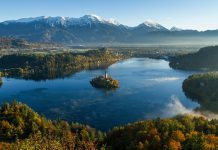














Slovenia is one of Europe’s most underrated destinations – a compact country packed with emerald rivers, alpine meadows, medieval castles, and some of the most dramatic natural scenery on the continent. Most visitors come for the outdoors. They want to hike the Triglav trails, kayak the Soča, or stand on the famous pier at Lake Bled with a camera and perfect light. And then the clouds roll in.
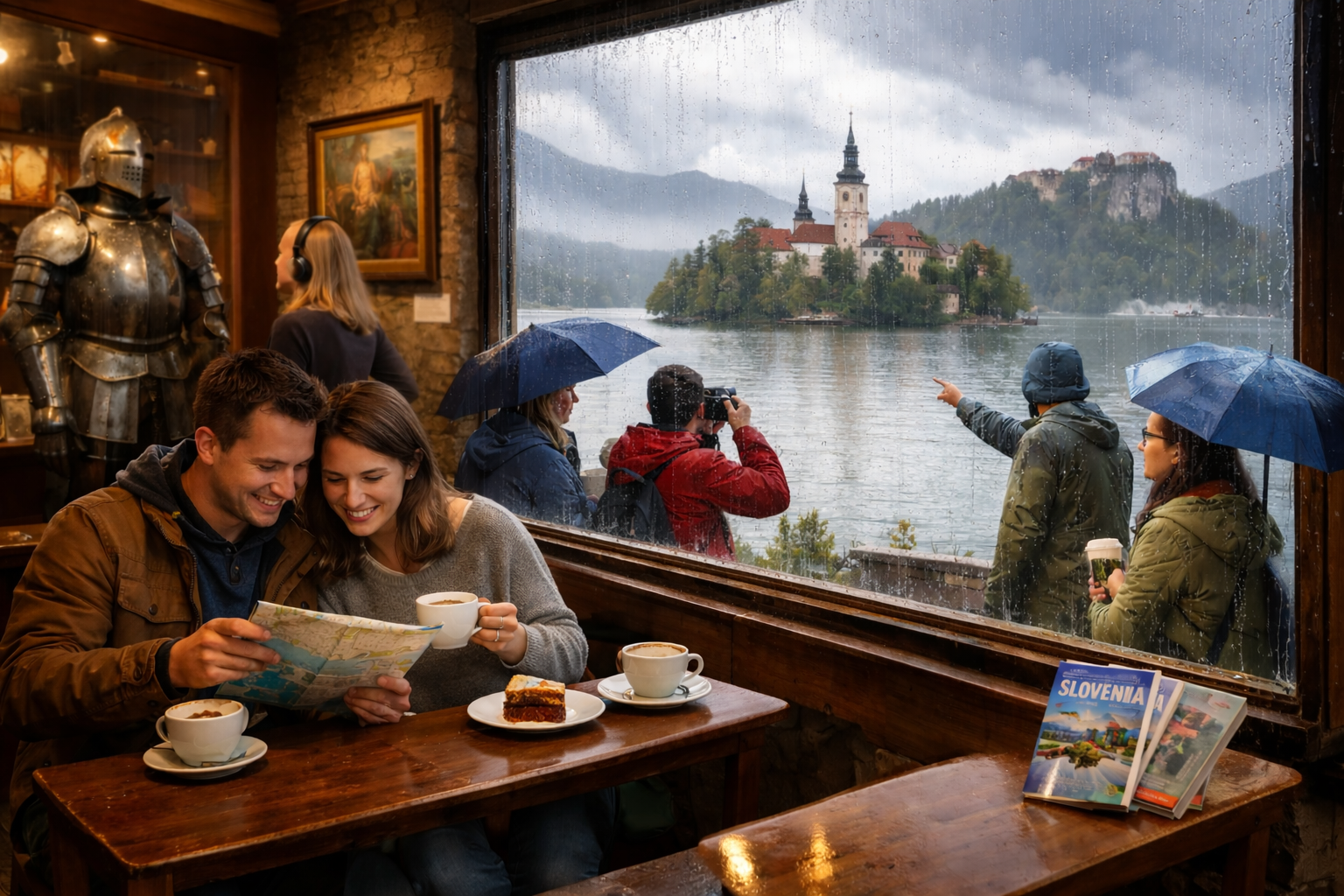
It happens more often than travel brochures suggest. Slovenia sits at a meteorological crossroads between the Alps, the Mediterranean, and the Pannonian plain, which means weather can shift quickly and unpredictably. A perfectly blue morning can turn grey and wet by early afternoon, leaving tourists staring out of their accommodation windows wondering what to do next. Experienced travelers, however, know this is less a disaster than a detour – the kind that often leads to the most memorable parts of a trip. Between finding a good book and discovering local culture from the inside out, there’s plenty to keep visitors busy. Some travelers catch up on emails, explore streaming platforms, or browse comparison sites – the kind that list everything from local tour operators to, in some cases, the top 10 online casinos available internationally, just passing the time while rain drums on the rooftop. But Slovenia’s real secret is that it has enough indoor depth to fill several rainy days without once reaching for a phone.
Why Rainy Days Are Common in Slovenia
Slovenia receives significant annual rainfall, particularly in the western regions near the Julian Alps and the Soča Valley. The town of Kobarid, for instance, sits in one of the wettest areas of Central Europe. Even Ljubljana, the capital, sees regular afternoon showers between spring and autumn.
This isn’t necessarily bad news. Rain keeps Slovenia green, feeds its famous rivers, and ensures the country never feels overcrowded or overdeveloped. It also means locals have cultivated a rich indoor culture – cafés, wine cellars, thermal spas, and cultural institutions that would hold their own in cities twice the size. A rainy day in Slovenia is really just an invitation to experience a different layer of the country.
Indoor Activities Tourists Love in Slovenia
When the weather closes in, Slovenia offers an impressive range of things to do under cover. Most tourists are surprised by just how much is available beyond the hiking trails and kayak rentals:
- Museums – Ljubljana’s National Museum, the Museum of Contemporary History, and the Natural History Museum are all genuinely world-class institutions, not the dusty afterthoughts you find in some smaller capitals
- Historical buildings and castles – Ljubljana Castle offers spectacular city views even in mist, and its interior exhibitions are worth a few hours regardless of the weather outside
- Art galleries – the Moderna Galerija in Ljubljana holds a significant collection of modern and contemporary Slovenian art, while smaller regional galleries often feature rotating exhibitions
- Shopping streets and markets – Ljubljana’s covered market along the Ljubljanica river stays partly sheltered even in rain, and the city’s boutique-lined streets make for good browsing
- Local cafés and wine bars – sitting in a Slovenian kavarna with a coffee and a pastry while watching rain fall on cobblestones is, for many visitors, a highlight in itself
- Thermal spas – Slovenia has an extraordinary density of thermal wellness centres, many of which are destinations in their own right
Best Slovenian Cities for Rainy Weather Exploration
Not all Slovenian destinations handle bad weather equally well. Some cities and towns have a particularly strong indoor offering that makes them excellent choices when the forecast looks uncertain.
| City | Indoor Attractions | Recommended Activity |
| Ljubljana | Museums, galleries, covered market, castle | Visit the National Museum, explore Metelkova cultural quarter |
| Maribor | Historic wine cellars, Old Vine House | Wine tasting in the oldest vine in the world |
| Bled | Spa and wellness centres, Bled Castle | Full wellness day at a thermal resort |
| Koper | Old town architecture, seafront cafés | Mediterranean lunch and a walking tour of the old town |
| Ptuj | Oldest Slovenian city, castle, carnival museum | Castle tour and traditional cuisine |
| Portorož | Thalasso spa centres, casino, restaurants | Spa day and coastal dining |
Maribor deserves special mention for rainy days. The city’s famous Old Vine – the oldest known grape vine in the world, over four centuries old — is housed in a small museum along the Drava River and makes for a surprisingly absorbing visit. The surrounding wine cellars offer tastings that can comfortably fill an afternoon.
How Travelers Relax in Their Hotels After a Rainy Day
After a day of indoor exploration, most visitors are content to settle into their accommodation and decompress. Slovenian hotels and guesthouses, particularly in Ljubljana and the resort towns, tend to be well-equipped for exactly this kind of evening.
Common ways travelers wind down after a wet day include:
- Streaming services – catching up on a series or film, often with local wine from a nearby market
- Reading travel blogs and planning ahead – a rainy day is a perfect opportunity to research the next destination or discover things you might have missed
- Online games and browser-based entertainment – light digital entertainment to fill an hour before dinner
- Video calls home – sharing the day’s photos and stories with family or friends
- Booking ahead – using the downtime to secure reservations for the next day’s activities, assuming the forecast improves
Tips for Enjoying Slovenia Even When It Rains
A few practical adjustments can transform a rainy day from a frustration into a genuinely enjoyable experience:
- Pack a quality rain jacket – Slovenia’s rain is rarely torrential; a decent waterproof layer means many outdoor activities remain possible
- Start museum visits late morning – morning rain often clears by afternoon, so use the early hours for indoor culture and save the afternoon for outdoor exploration
- Book a spa day in advance – thermal centres fill up quickly on wet weekends, especially in popular resorts like Terme Olimia or Terme Čatež
- Head to a local market – covered markets are social, warm, and full of local produce and handmade goods
- Take a cooking class – several Ljubljana operators offer hands-on Slovenian cooking experiences that work perfectly as a rainy day activity
- Visit a wine region by car – the Brda wine region near the Italian border has excellent cellar-door tastings that are entirely unaffected by rain
Conclusion
Rainy weather doesn’t ruin a trip to Slovenia – it redirects it. The country has built its reputation on outdoor adventure, but beneath that reputation lies a cultural, culinary, and wellness infrastructure that stands easily on its own terms. Museums that reward slow looking, wine cellars that tell centuries of agricultural history, thermal spas that have been drawing visitors since the Roman era, and café culture that takes sitting still seriously.
Travelers who arrive hoping for sunshine and find clouds instead often leave having discovered a side of Slovenia they wouldn’t have found otherwise. The mountains and rivers will still be there tomorrow. Today, there’s a glass of Rebula waiting in a stone-walled cellar, and that turns out to be more than enough.