















The Modernization of Cosmetics Regulation Act (MoCRA) has ushered in a new era of accountability for cosmetic companies in the United States. One of the most critical provisions of the law is the requirement for product safety substantiation, a responsibility placed firmly on the Responsible Person (RP) of each cosmetic product.
This regulatory shift highlights a fundamental principle: no cosmetic product should be placed on the U.S. market without documented proof of its safety.
What MoCRA Requires
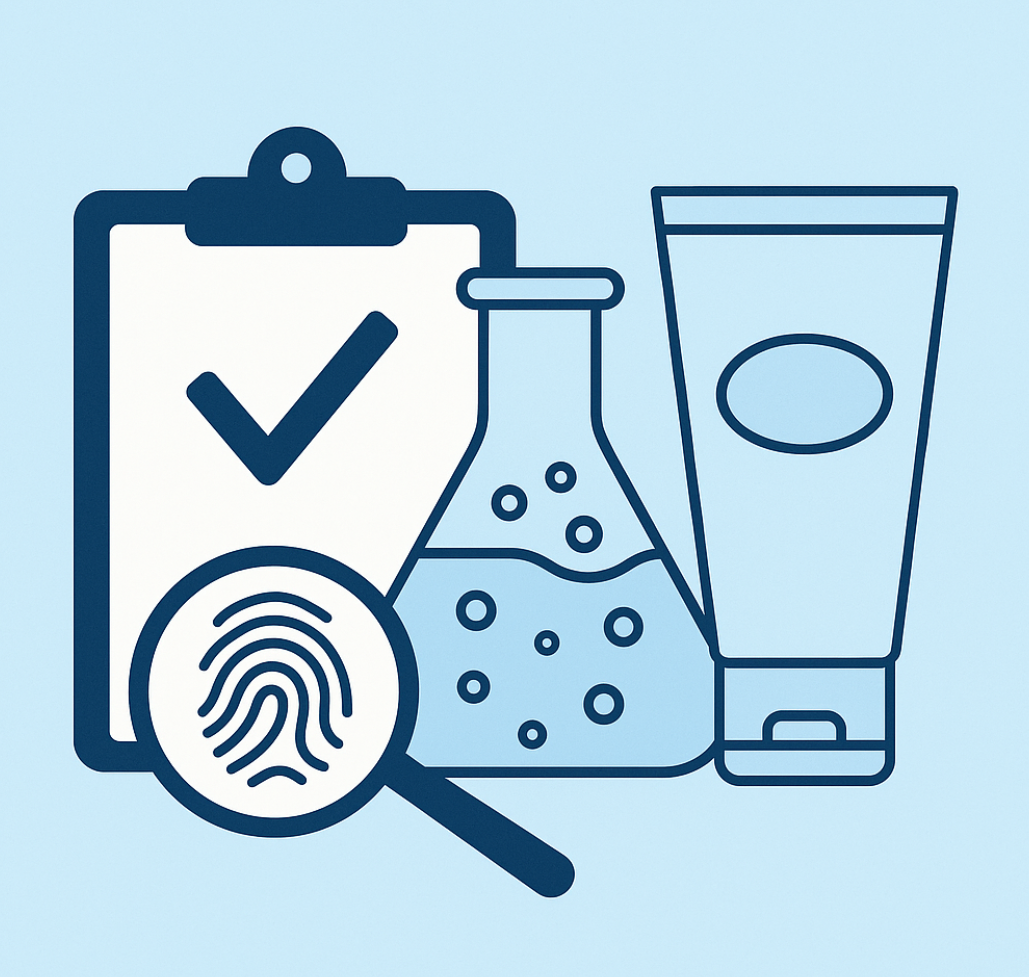
MoCRA obliges the Responsible Person to maintain scientific records proving the safety of both the cosmetic product and its ingredients. While the law does not prescribe a single testing method, it specifies that acceptable evidence may include:
- Tests or studies
- Research and analyses
- Toxicological evaluations
- Other scientific information considered sufficient by experts with the necessary qualifications
In other words, Responsible Persons must be able to demonstrate, beyond reasonable doubt, that their cosmetic products are safe for intended use.
Industry Standards for Safety Substantiation
Although MoCRA provides flexibility, it is widely recognized that product safety substantiation should follow a similar model to the EU Cosmetics Regulation 1223/2009, which has long been the international benchmark. This approach includes:
- Toxicological risk assessments for raw materials and ingredients
- Safety evaluations of the finished product and packaging
- Documented trials, analyses, and studies to confirm product safety
- Continuous updating of records to reflect new scientific findings and regulatory updates
New Developments in U.S. Cosmetics Safety
MoCRA also emphasizes FDA’s growing role in addressing emerging safety concerns. For example:
- An official method for detecting asbestos in talc-containing products will soon be published.
- The FDA is evaluating the safety of PFAS (perfluoroalkyl and polyfluoroalkyl substances) in cosmetics, which may lead to future restrictions or reformulations.
Responsible Persons must stay informed and be ready to adjust formulations as science and regulation evolve.
How CE.way Supports Safety Substantiation
With more than a decade of experience in cosmetics compliance, CE.way provides expert support to help companies meet MoCRA’s safety substantiation requirements. Our services include:
- Scientific safety demonstrations for ingredients and finished products
- Preparation of toxicological documentation and raw material data
- Toxicological evaluations conducted by qualified safety assessors
- Support with in-depth studies, analyses, and trials where needed
- Ensuring all records are valid, up-to-date, and FDA-ready
By partnering with CE.way, cosmetic brands gain the assurance that their products meet the highest international safety standards, reducing regulatory risks and strengthening consumer trust.
Compliance as a Competitive Advantage
In today’s highly regulated cosmetics landscape, safety is not only a legal requirement but also a market differentiator. Brands that invest in robust safety substantiation demonstrate responsibility, transparency, and dedication to consumer wellbeing.
👉 Contact CE.way today to learn how we can help you prepare and maintain the required safety substantiation documentation under MoCRA—ensuring your products are compliant, safe, and ready for the U.S. market.