



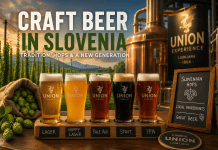








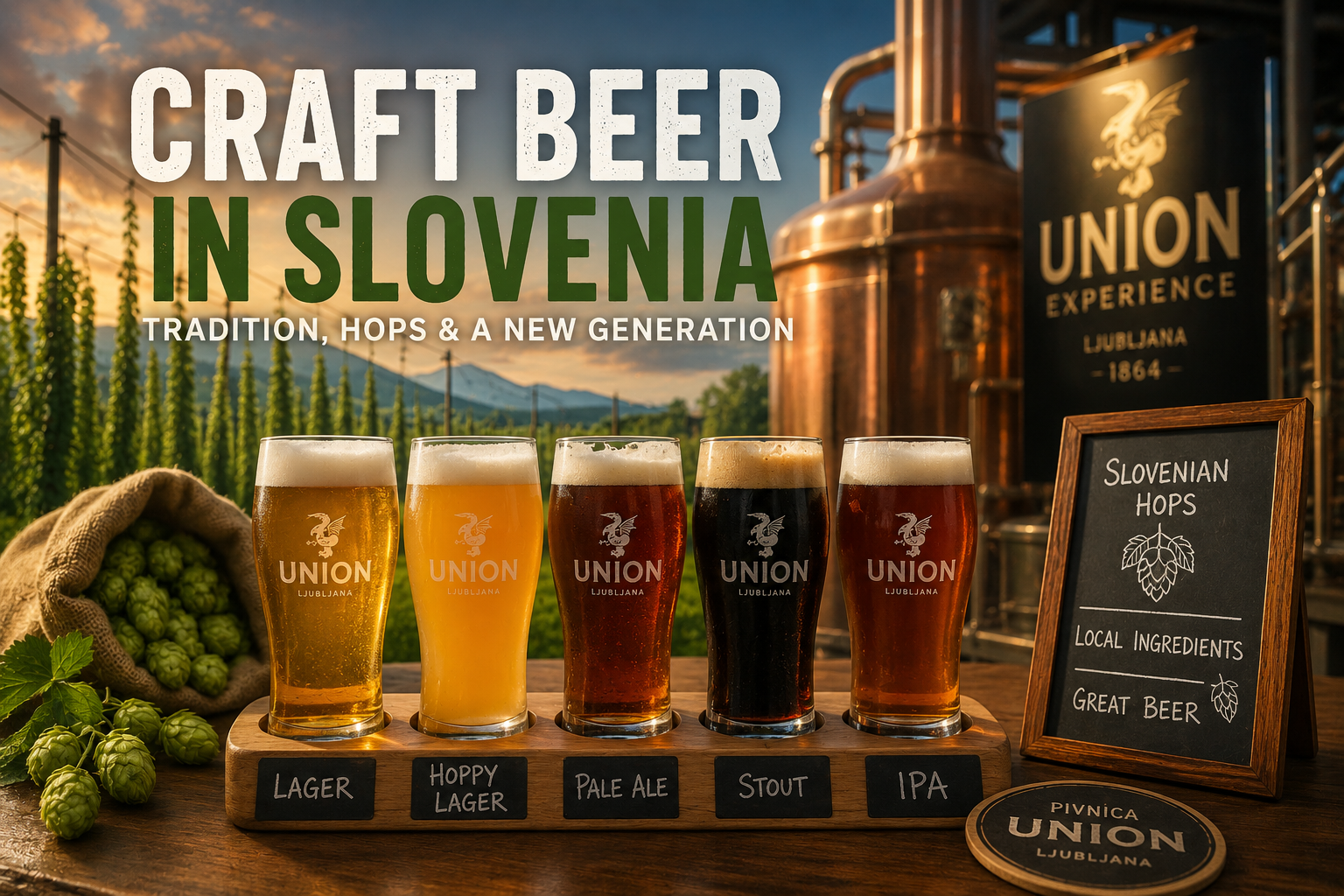

For a small country, Slovenia has an impressively diverse relationship with beer. There are historic brewing names with roots stretching back more than a century, internationally recognised hop-growing regions, classic lagers familiar to generations of Slovenians and a newer generation of brewers pushing towards IPAs, Pale Ales, Hoppy Lagers, seasonal releases and experimental small-batch beers.
That combination makes craft beer in Slovenia particularly interesting.
The modern Slovenian beer story is not simply about replacing traditional lager with something newer. It is about expanding what beer can mean. Historic brewing knowledge now exists alongside experimentation. Established breweries operate in the same market as microbreweries. Slovenian hops connect agriculture with brewing. Consumers have become more curious about ingredients, beer styles and production methods.
Ljubljana provides an excellent place to begin exploring this evolution.
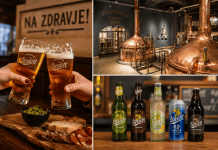
At Union Experience, visitors can trace more than 160 years of Union brewing history. At the same Ljubljana location, the story now extends into contemporary small-batch production through the Union city microbrewery, opened in 2026.
Past and future sit remarkably close together.
What Is Craft Beer?
The term craft beer is widely used but surprisingly difficult to define universally.
Different countries and organisations apply different criteria. Brewery size, independence, ownership and production methods can all form part of the definition.
For drinkers, however, craft beer is generally associated with several characteristics:
smaller-scale brewing, strong brewery identity, experimentation, distinctive recipes, greater emphasis on beer styles, specialty ingredients, seasonal or limited releases, and an interest in flavour beyond highly standardised mainstream beer.
None of these characteristics automatically guarantee quality.
A small brewery can make poor beer.
A large brewery can make excellent beer.
The more interesting question is what the brewer is trying to achieve and how successfully the beer delivers that idea.
Why Craft Beer Became So Popular
For decades, pale lager dominated large parts of the international beer market.
There are good reasons for its popularity.
Lager can be crisp, refreshing, approachable and highly drinkable.
But growing numbers of consumers began looking for something different.
They wanted stronger aromas, more bitterness, different colours, different malts, new hop varieties, unusual ingredients and, above all, more choice.
The modern craft beer movement responded by dramatically expanding the styles available to ordinary drinkers.
Beer menus that once offered several similar lagers began including IPA, Pale Ale, stout, porter, wheat beer, sour beer and seasonal specialties.
The vocabulary of beer changed with them.
The Rise of Craft Beer in Slovenia
Slovenia followed this wider international development.
A growing number of smaller breweries helped introduce Slovenian consumers to beer styles that had previously been much less visible in the mainstream market.
Suddenly, beer drinkers were talking about:
IPA, Pale Ale, dry hopping, hop varieties, IBU, stout, sour beer and seasonal releases.
Beer became more than simply a choice between familiar lager brands.
For many consumers, it became something to explore.
This change also encouraged restaurants, pubs and specialist stores to broaden their selections.
The result is today’s much more varied Slovenian craft beer scene.

Slovenia Already Had the Ingredients
In one sense, the development of modern craft beer in Slovenia should not be surprising.
Slovenia already had an important brewing tradition.
More importantly, it had something many beer-drinking countries do not have:
a significant domestic hop-growing heritage.
Hops are one of beer’s four fundamental ingredients and play a crucial role in bitterness, aroma and flavour.
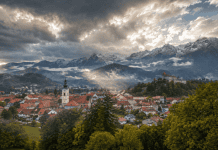
Slovenia has cultivated hops for generations, particularly in the Savinja Valley.
That creates a direct relationship between Slovenian agriculture and beer production.
Modern craft brewing did not introduce hops to Slovenia.
It helped a new generation of drinkers become more interested in them.
Slovenian Hops and the Savinja Valley
The Savinja Valley is one of the most important areas for understanding Slovenian beer.
Around Žalec and surrounding communities, distinctive hop fields reveal the agricultural foundation behind one of beer’s defining ingredients.
Hop plants grow vertically on tall support systems, creating a landscape unlike conventional cereal fields or vineyards.
For beer enthusiasts, visiting a hop-growing region changes the way you think about the finished drink.
Hops stop being an abstract ingredient listed on a label.
They become an agricultural crop.
Someone planted them.
Someone cared for them.
Someone harvested them.
They were processed, selected and eventually used by a brewer.
That connection between field and glass is fundamental to understanding beer.
What Do Hops Actually Do?
Hops perform several roles in brewing.
The two most obvious are:
bitterness and aroma.
Bitterness helps balance the sweetness derived from malt.
Without sufficient bitterness, many beers could taste overly sweet.
But modern craft brewing has placed enormous emphasis on hop aroma.
Different hop varieties can produce sensory impressions reminiscent of:
citrus, tropical fruit, flowers, herbs, pine, spices and stone fruit.
The timing of hop additions during brewing also changes the result.
This is one reason two beers made from the same fundamental ingredients can taste completely different.
What Is Dry Hopping?
One of the terms visitors frequently encounter when exploring craft beer is dry hopping.
Despite the name, it has nothing to do with making beer dry.
Dry hopping means adding hops during or after fermentation, rather than relying exclusively on additions during the boiling stage.
The primary objective is usually aroma.
Prolonged boiling extracts bitterness but also drives off many volatile aromatic compounds.
Later hop additions can preserve more of those aromas.
This technique became particularly important in modern IPA and Pale Ale brewing.
It can also be used with lager, helping create styles such as Hoppy Lager.
IPA: The Icon of Modern Craft Beer
No beer style is more closely associated with the modern craft movement than IPA – India Pale Ale.
IPA can vary enormously from brewery to brewery.
Some versions emphasise strong bitterness.
Others focus on intense fruit-like hop aroma.
Some are clear.
Others deliberately hazy.
Some are relatively moderate in alcohol.
Others are considerably stronger.
What connects them is the importance of hops.
For visitors exploring craft beer in Slovenia, trying a locally brewed IPA is one of the easiest ways to experience the influence of modern brewing culture.
But IPA is only the beginning.
Pale Ale: An Accessible Introduction to Craft Beer
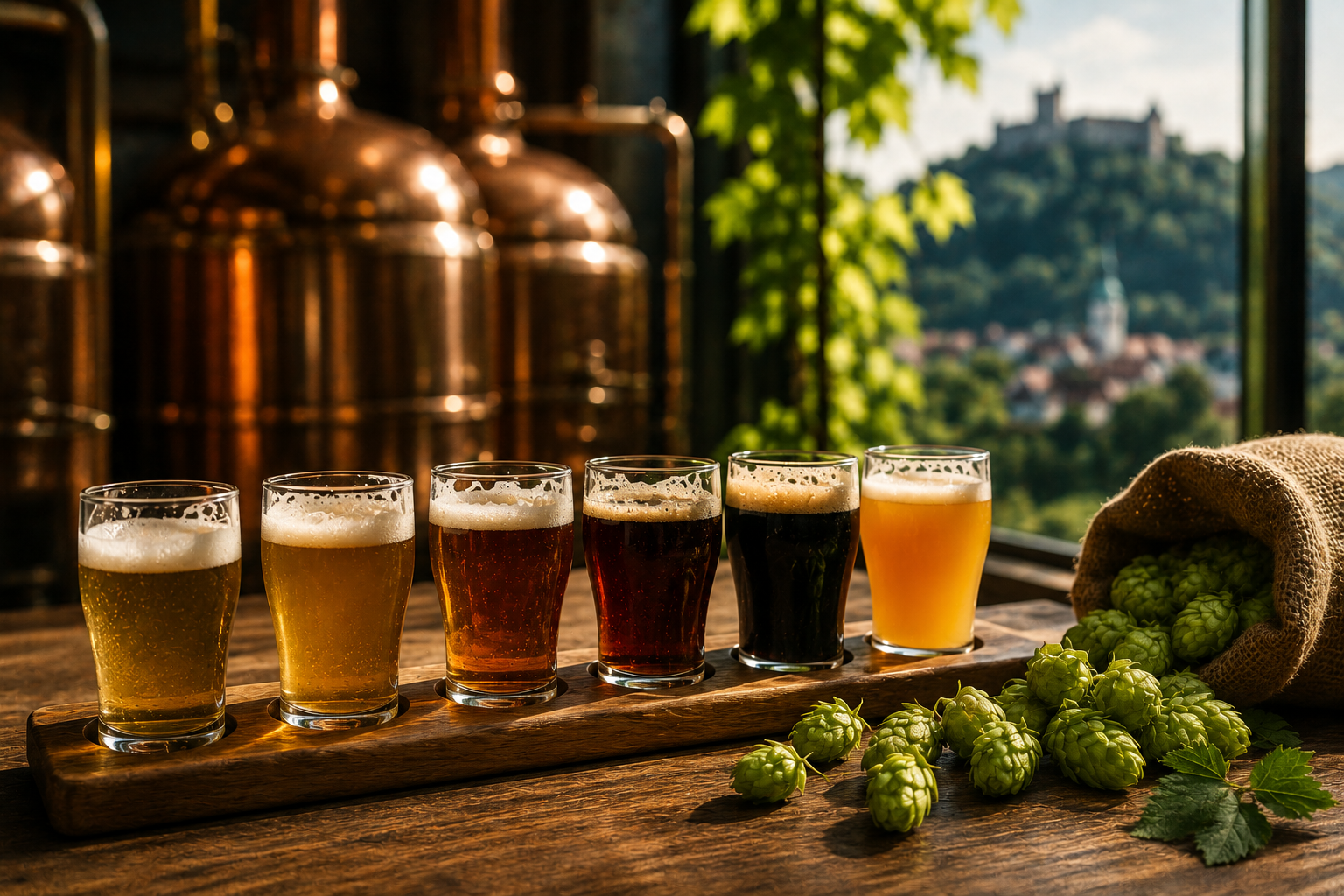
For drinkers who find some IPAs too intense, Pale Ale can provide a more accessible starting point.
Again, recipes vary, but Pale Ale often combines noticeable hop character with a more moderate overall profile.
This makes it particularly useful for someone transitioning from conventional lager towards more aromatic beer styles.
If you normally drink lager, try this progression:
classic lager → Hoppy Lager → Pale Ale → IPA
Taste them slowly.
Smell each beer before drinking.
The differences become much easier to recognise when experienced in sequence.
Hoppy Lager: Where Two Beer Worlds Meet
Hoppy Lager is particularly interesting because it demonstrates how traditional brewing styles have absorbed ideas popularised by the craft movement.
The beer retains the clean fermentation profile and refreshing character associated with lager.
But hops become more prominent.
The result can offer stronger aroma and flavour without completely abandoning familiar lager drinkability.
For traditional lager drinkers, Hoppy Lager can be a gateway into modern beer.
For craft beer enthusiasts, it demonstrates that lager does not have to mean neutral or boring.
This crossover between tradition and innovation is increasingly important in contemporary brewing.
Craft Beer Is Not Only About Hops
Modern craft beer is often associated so strongly with IPA that people begin assuming craft beer means very hoppy beer.
It does not.
Brewers can experiment with virtually every part of the recipe and process.
Malt can become the focus.
Yeast can create distinctive flavours.
Roasted grains can produce dark beer.
Different fermentation methods can create acidity.
Fruit and other ingredients can introduce entirely new dimensions.
Barrel ageing can transform beer over time.
Craft brewing is therefore better understood as a culture of variety and experimentation rather than a synonym for extreme bitterness.
Stout and Dark Beer
For drinkers who prefer malt-driven flavours, dark beer opens another side of craft brewing.
Depending on the style and recipe, darker malts can produce flavours reminiscent of:
coffee, chocolate, caramel, toast, bread crust or roasted grain.
Stout is one of the best-known dark beer styles, but dark beer encompasses a much broader range.
Colour also tells you surprisingly little about strength.
A black beer is not automatically stronger than a pale beer.
It is primarily the malt treatment that creates the colour.
Sour Beer
Sour beer can surprise people who expect every beer to sit somewhere between sweet malt and bitter hops.
These beers deliberately introduce acidity as an important flavour component.
Some are sharply sour.
Others are fruity and refreshing.
Different brewing traditions and fermentation methods can create dramatically different results.
For adventurous drinkers, sour beer demonstrates just how broad the definition of beer can become.
Someone who says they “do not like beer” may simply not have found the right style yet.
Seasonal and Limited-Edition Beer
One of the pleasures of visiting a microbrewery is that the beer list does not necessarily remain identical throughout the year.
Seasonal beers allow brewers to create products suited to particular periods, ingredients or occasions.
Summer can encourage lighter and more refreshing styles.
Autumn and winter may suit richer malt profiles.
Limited editions provide space for experimentation without requiring a beer to become part of the permanent range.
For travellers, this creates an important element of discovery.
The beer you try in Ljubljana today may not be available during your next visit.
What Is a Microbrewery?
A microbrewery generally refers to a brewery producing beer on a relatively small scale compared with major industrial brewing operations.
Exact legal or industry definitions vary between markets.
The important practical distinction is flexibility.
Smaller production batches can make it easier to experiment.
A brewer can adjust recipes.
Try different hops.
Create seasonal releases.
Produce specialty beers.
Respond more quickly to changing consumer tastes.
This makes microbreweries natural laboratories for modern beer culture.
Ljubljana’s New City Microbrewery
Since 2026, Ljubljana has had an especially interesting example of how microbrewing can connect with historic brewing heritage.
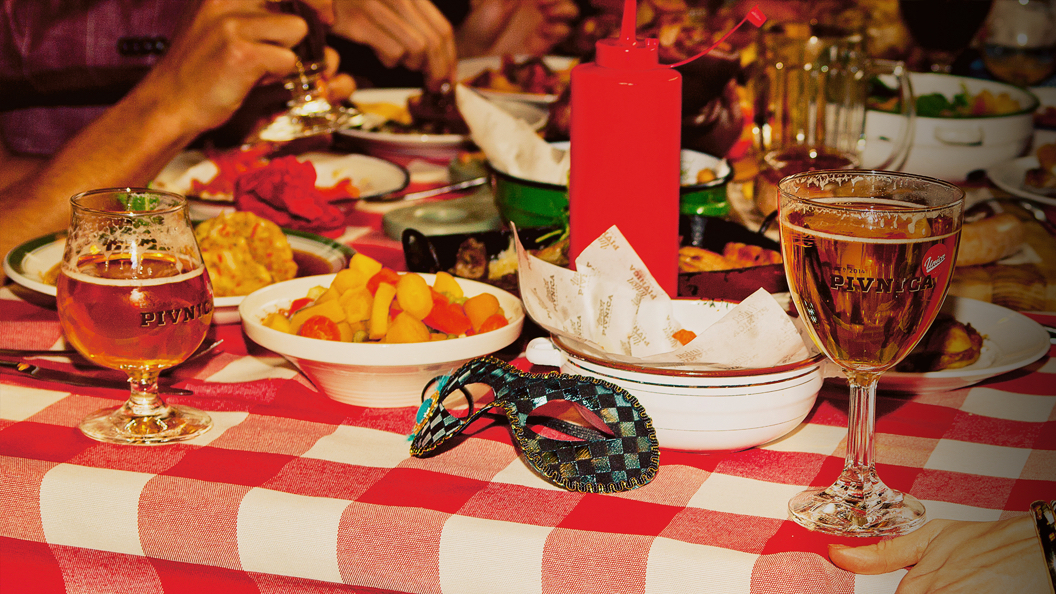
The new Union city microbrewery, located within Pivnica Union, focuses on small-batch production, seasonal flavours and brewing specialties.
Visitors can observe brewing activity through a glass wall.
What makes the concept particularly interesting is its location.
This is not a microbrewery operating without historical context.
It exists within a Union destination whose brewing story reaches back to 1864.
More than 160 years of heritage now meet contemporary small-batch experimentation.
Why 2026 Is an Important New Chapter
The opening of the city microbrewery in 2026 adds another dimension to Union’s Ljubljana identity.
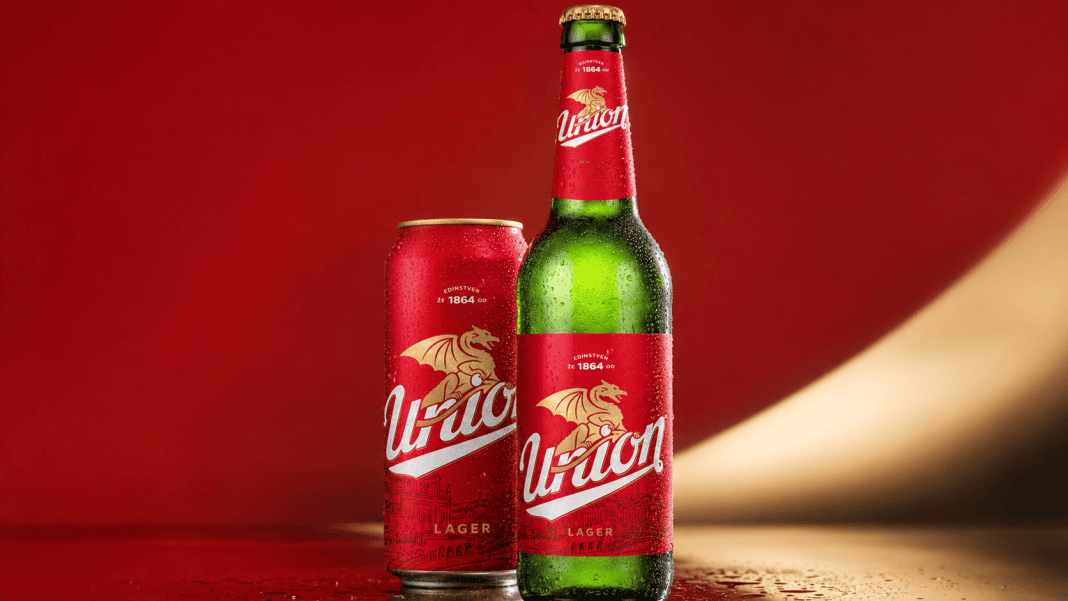
For generations, Union has been associated with established lager brewing.
The microbrewery creates room for something different:
smaller quantities, more experimentation, seasonal releases and specialties.
This does not erase the traditional Union story.
It extends it.
For visitors, that makes the location particularly valuable because they can experience different periods of brewing culture without travelling between separate destinations.
Historic equipment explains where brewing came from.
Modern brewing equipment demonstrates where it can go next.
Union Experience: Start With the History
Before exploring modern Slovenian craft beer, understanding the country’s established brewing tradition provides useful context.
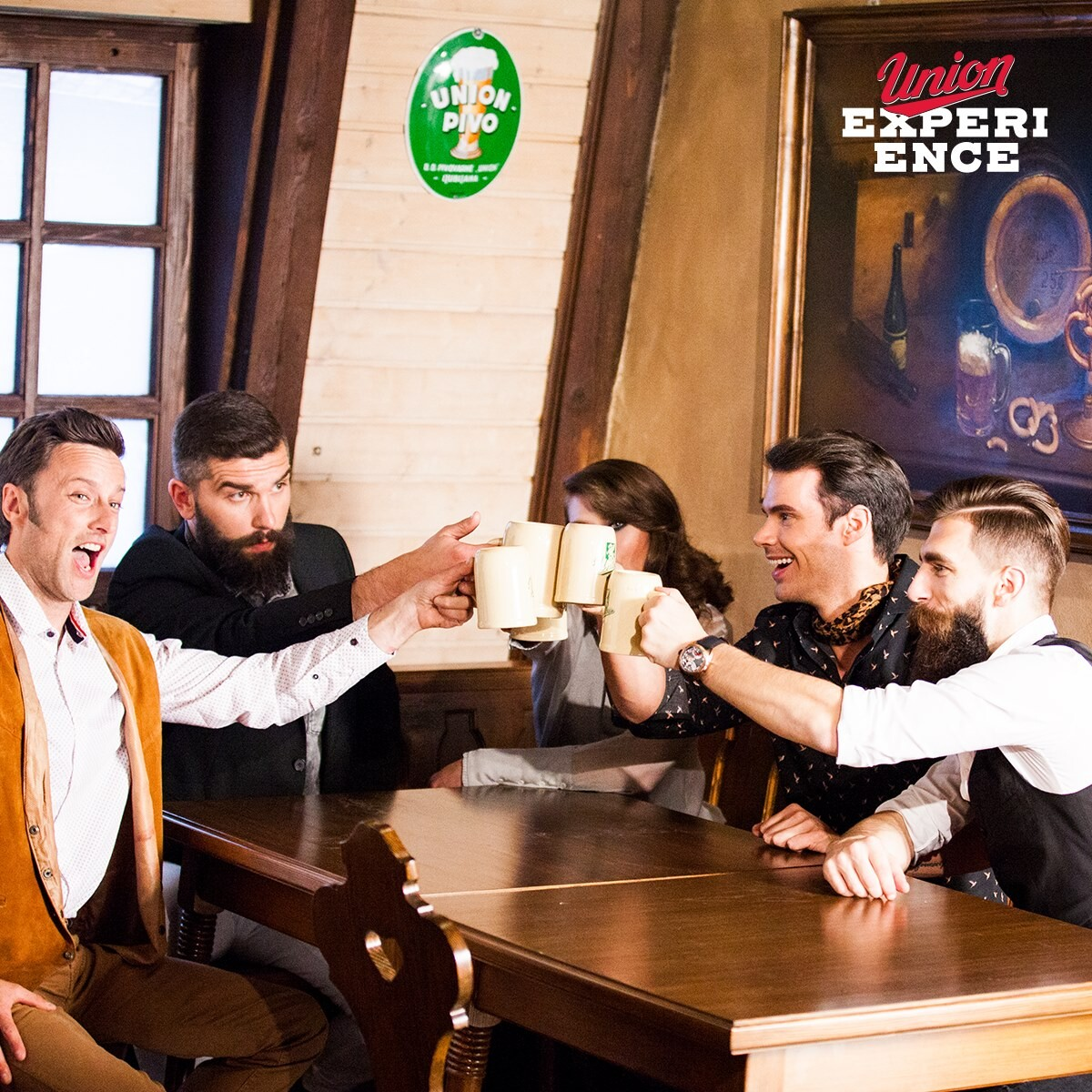
Union Experience at Celovška cesta 22 in Ljubljana offers exactly that.
The guided experience introduces visitors to more than 160 years of Union brewing heritage.
The Union Brewery Museum preserves historic brewing equipment and stories connected with the development of production.
For someone new to beer, this provides an introduction to ingredients, processes and brewing history.
For experienced beer enthusiasts, it creates historical context for the contemporary scene.
Modern craft beer makes more sense when you understand what came before it.
From Historic Equipment to Modern Brewing
One of the most interesting ways to experience Union today is through contrast.
Look at historic brewing equipment.
Think about the physical labour, technical limitations and knowledge required to make beer generations ago.
Then look at a modern microbrewery.
The fundamental ingredients remain recognisable.
The objective remains brewing beer.
But technology, control and possibilities for experimentation have changed enormously.
This contrast demonstrates something important about brewing:
tradition and innovation are not opposites.
Innovation builds on accumulated knowledge.
Pivnica Union: Where Brewing Becomes Social
Beer culture is not created only inside breweries.
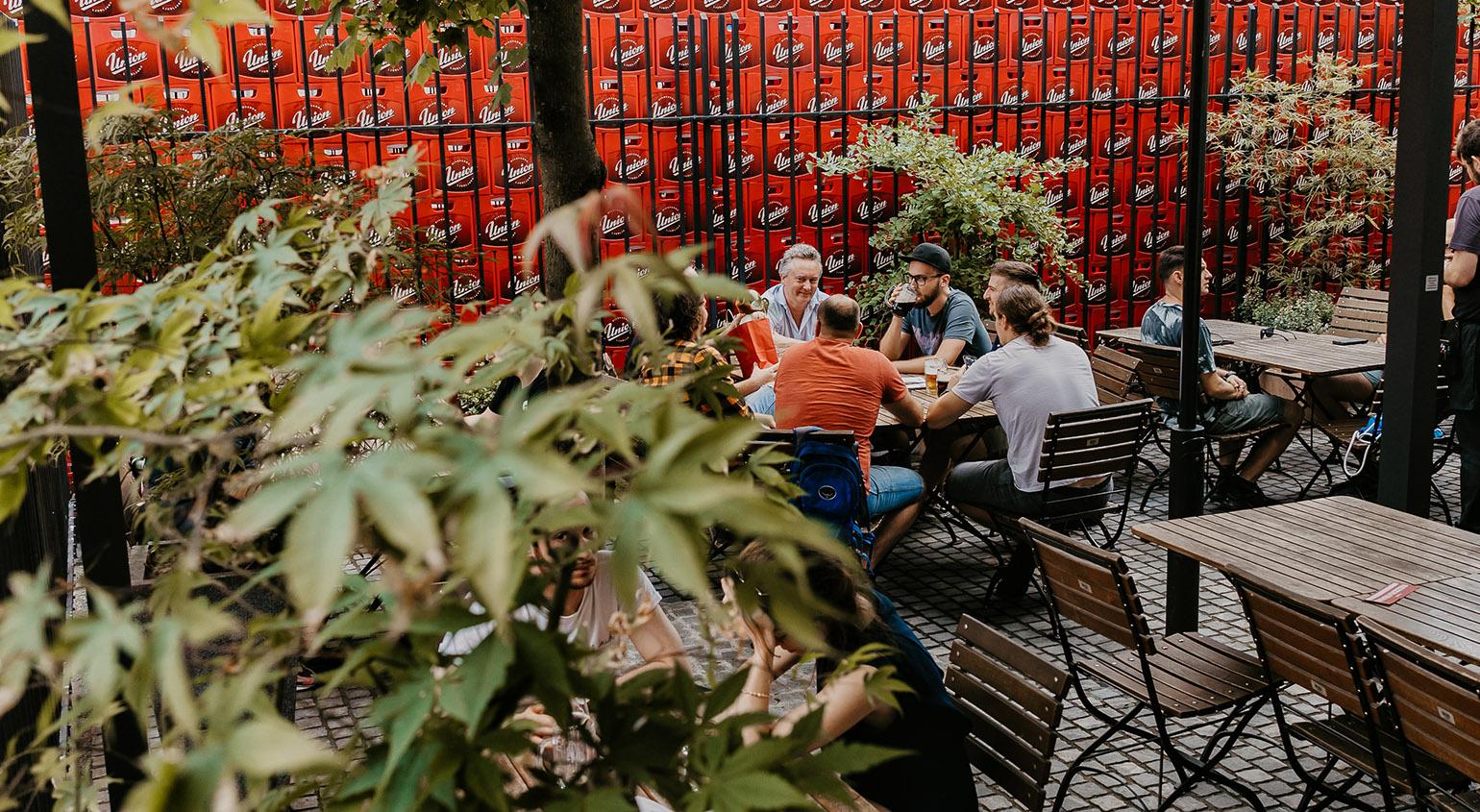
It is also created around tables.
At Pivnica Union, visitors can continue from Union Experience into the social side of beer.
This is where tasting becomes conversation.
Beer meets food.
Different styles can be compared.
Seasonal or specialty beers can be explored when available.
For international visitors, the combination of museum, microbrewery and pub makes the Union destination particularly accessible.
You do not need specialist beer knowledge.
Curiosity is enough.
Is Union Craft Beer?
This question demonstrates why the term craft beer can become complicated.
Union is a historic and established brewing name rather than a small independent craft brewery in the conventional sense.
However, its city microbrewery uses a small-batch, experimental brewing approach associated with many aspects of contemporary craft culture.
It is therefore more precise to discuss the individual brewing concept and beers rather than forcing everything into a binary “craft” or “not craft” classification.
The interesting point is that modern beer experimentation is no longer restricted to one type of brewery.
The influence of craft culture has spread throughout the beer industry.
Traditional Brewery vs Craft Brewery
It is tempting to frame traditional and craft brewing as competitors.
In reality, they can serve different purposes.
Large-scale brewing is exceptionally good at consistency.
Producing enormous quantities of beer that taste virtually identical requires extraordinary process control.
Small-batch brewing excels at flexibility.
Recipes can change more easily.
Experiments can remain limited.
Unusual ingredients can be tested.
Neither model is inherently superior.
They solve different brewing challenges.
Union’s Ljubljana location is interesting precisely because visitors can see these different philosophies meeting.
How to Start Exploring Slovenian Craft Beer
If you know very little about beer, do not begin by ordering the most extreme product available.
Build a progression.
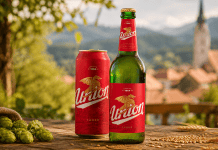
Start with a classic Slovenian lager.
Notice the clean fermentation and balanced bitterness.
Then try a Hoppy Lager.
Look for stronger hop aroma.
Move to Pale Ale.
Then try IPA.
After that, explore dark or sour styles.
This progression makes differences easier to understand.
You are effectively training your palate through comparison.
How to Taste Craft Beer
The first rule of craft beer tasting is simple:
smell the beer.
Do not immediately drink it.
Aroma is a major part of flavour perception.
Look at the beer first.
Notice its colour and foam.
Then smell.
What does it remind you of?
Fruit? Citrus? Bread? Coffee? Flowers? Herbs?
There are no prizes for producing complicated tasting vocabulary.
Then take a sip.
Notice sweetness, bitterness, acidity and carbonation.
Finally, pay attention to the finish.
Does the flavour disappear quickly?
Does bitterness remain?
Would you drink another?
That final question is more important than sounding like a beer critic.
Craft Beer and Food
Beer is extremely versatile with food because it can combine:
carbonation, bitterness, sweetness, roasted flavours, fruit-like aromas and different levels of alcohol.
A crisp lager can refresh the palate alongside fried or rich foods.
IPA can work with strongly flavoured and spicy dishes.
Dark beer can complement roasted or caramelised flavours.
Sour beer can provide an interesting contrast with fatty foods.
But pairing rules should remain guidelines.
Taste is personal.
The best beer-and-food combination is the one you actually enjoy.
How Much Does Craft Beer Cost in Slovenia?
Craft beer prices in Slovenia vary considerably.
Several factors influence the final price:
production volume, ingredients, hop quantities, alcohol content, packaging, distribution, venue and serving size.
Small-batch beer often costs more than mass-produced supermarket lager.
That does not automatically make it better, but the production economics are different.
When comparing prices in bars, also check serving volume.
A specialty beer may be served in a smaller glass than conventional lager.

Where to Find Craft Beer in Ljubljana
Ljubljana has developed a varied beer scene with specialist bars, restaurants, shops and brewery-related experiences.
Visitors can encounter Slovenian craft beer in the city centre and beyond.
For a structured introduction, Union Experience provides the historical foundation.
Pivnica Union and the city microbrewery then connect that history with contemporary brewing.
Afterwards, exploring specialist craft beer venues around Ljubljana becomes even more interesting because you have a stronger understanding of styles and production.
Is Ljubljana Good for Beer Lovers?
Yes.
Ljubljana combines several characteristics that make a strong beer destination.
It is compact.
It has significant brewing history.
It has a contemporary craft scene.
It provides access to Slovenian beers from other regions.
And it is located within easy reach of the country’s hop-growing heritage.
Visitors can therefore combine a conventional city break with beer tourism without restructuring their entire trip around breweries.
See Ljubljana Castle in the morning.
Walk through Tivoli.
Explore Union Experience in the afternoon.
Drink craft beer in the evening.
That is a perfectly reasonable day in Ljubljana.
Beer Tourism in Slovenia
The concept of beer tourism in Slovenia extends beyond drinking.
A complete beer-focused trip can include:
brewery visits, brewing museums, hop-growing regions, beer tastings, specialist pubs, beer festivals and local food.
This transforms beer from a product into a way of exploring geography, agriculture, history and culture.
Slovenia is particularly well suited to this approach because distances are relatively short.
A traveller can experience urban brewing history and hop-growing countryside within the same holiday.
Craft Beer and Žalec
For serious beer enthusiasts, Žalec and the surrounding Savinja Valley deserve attention.
The region provides the agricultural counterpart to the brewery.
Brewers may receive most of the public attention, but hops do not magically appear in brewing facilities.
They come from farms.
Understanding hop cultivation helps explain why certain regions become internationally important to beer.
For Slovenia, that agricultural connection is a major part of its brewing identity.
Slovenian Beer Is More Than Lager
International visitors sometimes arrive with a simplified picture of Slovenian beer.
They expect several pale lagers.
They find much more.
Today’s beer landscape can include:
classic lager, Hoppy Lager, IPA, Pale Ale, stout, porter, sour beer, wheat beer, seasonal specialties, Radler and alcohol-free products.
Availability changes between breweries and venues, but the broader point remains:
Slovenian beer has diversified.
That diversity is one of the defining legacies of the craft beer movement.
Craft Beer for Non-Beer Drinkers
People who claim they dislike beer often mean they dislike the beers they have previously tried.
Someone who dislikes bitterness may enjoy a malt-forward style.
Someone who dislikes lager may prefer fruity Pale Ale.
Someone who finds conventional beer too heavy may prefer a sour or Radler.
Someone avoiding alcohol may choose a 0.0% product.
The modern beer landscape provides far more entry points than traditional lager alone.
A tasting environment can therefore be useful because small samples allow exploration without committing to a full serving.
Alcohol-Free Brewing Is Part of the Modern Beer Story
One of the most important trends in contemporary beer is the growth of alcohol-free and 0.0% products.
This development reflects changing consumer behaviour.
People increasingly want beer-related flavour and refreshment without alcohol.
Reasons include:
driving, sport, daytime consumption, personal preference and changing lifestyle habits.
Products such as Union Radler 0.0 Isotonic demonstrate how established beer brands are responding to these changes.
Innovation in beer is therefore not only about stronger hops or unusual flavours.
Sometimes innovation means removing alcohol.
Sustainability and Modern Brewing
Modern consumers are also increasingly interested in how products are made.
Brewing uses water, energy, agricultural ingredients, packaging and transportation.
As a result, questions about efficiency and environmental impact are becoming more important across the brewing industry.
Craft and larger breweries face these challenges differently because their production scales differ.
For drinkers, this adds another dimension to beer culture.
The future of brewing is not only about what beer tastes like.
It is also about how efficiently and responsibly it can be produced.
What Makes a Great Craft Beer?
There is no universal flavour profile for excellent craft beer.
A great IPA does not need to appeal to someone who prefers lager.
A great stout does not need to taste refreshing on a hot summer afternoon.
Quality should be judged according to what the beer is trying to achieve.
Is it balanced?
Are the flavours intentional?
Does the aroma match the style?
Is the beer technically clean where it should be?
Most importantly:
is it enjoyable?
Craft beer culture is at its best when it expands choice.
It becomes less useful when it turns personal preference into competition.
The Best Craft Beer in Slovenia
Trying to identify the best craft beer in Slovenia creates the same problem as choosing the best Slovenian beer overall.
Taste is subjective.
Availability changes.
Breweries release new products.
Seasonal beers disappear.
Recipes evolve.
Instead of looking for a single winner, build your own shortlist.
Try beers from several breweries.
Compare styles rather than only brands.
Ask bartenders what is fresh.
Look for seasonal releases.
And taste Slovenian hops in different brewing contexts.
Your favourite may be completely different from someone else’s.
That is exactly how it should be.
A Ljubljana Craft Beer Itinerary
If you want to dedicate a day to beer while still experiencing Ljubljana, start in the city centre.
Explore Prešeren Square, Triple Bridge and Central Market.
Walk towards Tivoli Park.
Continue to Union Experience.
Discover more than 160 years of brewing heritage.
Explore the Union Brewery Museum.
Learn how beer is made.
See the contemporary city microbrewery.
Continue to Pivnica Union for food and beer.
Later, return towards central Ljubljana and explore specialist beer venues.
In one day, you can experience historic lager culture, contemporary microbrewing and Slovenia’s wider craft scene.
From 1864 to 2026 and Beyond
Few things illustrate the development of Slovenian beer as clearly as the timeline at Union’s Ljubljana home.
1864 represents the beginning of a brewing story that would become deeply connected with the capital.
2026 represents another chapter with the city microbrewery and a renewed emphasis on small-batch experimentation.
Between those dates lies more than 160 years of changes in technology, ingredients, consumer habits and beer culture.
The next chapter is still being brewed.
The Future of Craft Beer in Slovenia
The most exciting thing about craft beer in Slovenia is that the story is unfinished.
Consumer tastes continue to change.
Alcohol-free products are growing.
Brewers continue experimenting with hops.
Traditional styles are being reinterpreted.
Microbreweries provide space for small-batch ideas.
Historic breweries are finding new ways to connect heritage with contemporary expectations.
Meanwhile, Slovenia’s hop-growing tradition provides a direct connection with one of beer’s most expressive ingredients.
This combination creates a strong foundation for the future.
Discover Slovenian Beer Beyond the Label
A beer label can tell you the style.
It can list the alcohol content.
It may identify the hops.
But it cannot fully explain where Slovenian beer comes from.
For that, you need to explore.
Visit the hop-growing regions.
Talk to brewers.
Compare styles.
Try lager and ale.
Visit a brewing museum.
See old equipment.
Look at a modern microbrewery.
Taste beer where it was created.
In Ljubljana, Union Experience provides an ideal place to begin.
Because Slovenian craft beer makes even more sense when you understand the brewing tradition it grew alongside.
And after more than 160 years, that tradition is still changing.
Na zdravje!
Frequently Asked Questions About Craft Beer in Slovenia
1. Does Slovenia have a good craft beer scene?
Yes. Slovenia has developed a diverse craft beer culture with microbreweries and breweries producing styles ranging from Pale Ale and IPA to dark beers, sour beers, Hoppy Lagers and seasonal specialties.
2. What is Slovenian craft beer known for?
Slovenian craft beer is characterised by variety and experimentation. Slovenia also has an important advantage in its domestic hop-growing heritage, particularly in the Savinja Valley.
3. Where can I try craft beer in Ljubljana?
Ljubljana has specialist beer venues and restaurants serving Slovenian beers. Visitors can also explore contemporary small-batch brewing at the Union city microbrewery within Pivnica Union.
4. What is the Union city microbrewery?
Opened in 2026, the Union city microbrewery in Ljubljana focuses on smaller batches, seasonal flavours and brewing specialties, connecting contemporary experimentation with Union’s historic brewing heritage.
5. Where can I learn about the history of beer in Ljubljana?
Union Experience at Celovška cesta 22 introduces visitors to more than 160 years of Union brewing history through a guided experience and the Union Brewery Museum.
6. Does Slovenia grow hops?
Yes. Slovenia has a significant hop-growing tradition, especially in the Savinja Valley around Žalec. Slovenian hops form an important part of the country’s brewing heritage.
7. What craft beer should a beginner try?
A useful progression is classic lager, Hoppy Lager, Pale Ale and then IPA. This allows drinkers to gradually experience increasing hop character before exploring darker, sour or more experimental styles.
8. Is all craft beer bitter?
No. Craft beer includes an enormous range of styles. Some are hop-forward and bitter, while others can be malt-driven, fruity, sour, dark, sweet or highly refreshing.
9. Is Union a craft brewery?
Union is a historic established brewing name rather than a small independent craft brewery in the conventional sense. However, its city microbrewery uses small-batch and experimental brewing approaches associated with contemporary craft beer culture.
10. Is Slovenia worth visiting for beer tourism?
Yes. Slovenia combines historic brewing, domestic hop cultivation, modern craft breweries, microbreweries and specialist beer venues within a compact country, making it particularly suitable for beer-focused travel.