











Planning your trip to Slovenia and wondering how to move around effortlessly? Whether you’re exploring the vibrant streets of Ljubljana, heading to the picturesque Lake Bled, or venturing into the breathtaking Julian Alps, understanding Slovenia’s public transportation system is essential for a smooth and affordable journey.
In 2026, Slovenia continues to offer travelers a reliable, eco-friendly, and affordable network of buses, trains, and local transport options connecting all major cities, tourist attractions, and hidden gems. But is it enough for your travel style, or should you consider renting a car for more flexibility?
This ultimate guide will cover everything you need to know about navigating Slovenia’s transport system — from bus and train schedules to car rentals, taxis, and even cycling routes — helping you choose the best way to explore this beautiful European destination.
IJPP tickets: one ticket for buses and trains
IJPP is Slovenia’s integrated public passenger transport system. It allows passengers to use participating intercity buses and trains with a single ticket.
For visitors planning several journeys, nationwide IJPP passes can be particularly useful.
| Nationwide IJPP ticket | Price |
|---|---|
| One-day ticket | €18 |
| Three-day ticket | €22 |
| Weekly ticket | €36 |
These passes allow unlimited travel on participating buses and trains throughout Slovenia during their period of validity. Supplements may be required for certain faster or higher-category trains.
Nationwide IJPP tickets also include travel within the first LPP fare zone in Ljubljana. The ticket is normally loaded onto an IJPP chip card.
You can find current conditions and prices on the official IJPP information page.
If you are only planning one or two journeys, individual bus or train tickets may still be cheaper. Before purchasing a pass, compare its price with the cost of your planned trips.
Modes of Public Transportation
1. Trains

Network Coverage and Routes
Slovenia offers a well-organized and efficient train network, making it a convenient mode of transportation for both domestic and international travelers. The train system, operated by Slovenian Railways (Slovenske železnice), provides a reliable way to explore the country’s diverse landscapes, historical sites, and urban centers.
Slovenia’s train network covers a considerable portion of the country, allowing passengers to journey through picturesque landscapes, from rolling hills to charming villages. The network connects the capital city of Ljubljana with cities like Maribor, Celje, and Koper, as well as smaller towns and communities in between.
Website: Slovenian Railways
Frequency and Schedule
Trains in Slovenia generally operate on a reliable schedule, with regular departures and arrivals. The frequency of trains can vary based on the route and time of day. For specific timetables, the official Slovenian Railways website provides up-to-date information for planning your journeys.
Comfort and Facilities
Slovenian trains offer a basic level of comfort, with standard seating arrangements. While not luxurious, the train cars are generally clean and well-maintained. Passengers can enjoy the scenic views through the train’s windows as they travel between destinations.
Train travel is particularly convenient for routes such as:
- Ljubljana–Maribor;
- Ljubljana–Celje;
- Ljubljana–Jesenice;
- Ljubljana–Postojna;
- Ljubljana–Koper;
- Ljubljana–Zagreb.
Not every famous Slovenian destination has a railway station. Piran, Bovec and Bohinj’s lakeside settlements, for example, are usually easier to reach by bus.
Ljubljana’s main bus and train station is currently undergoing renovation, which may temporarily affect platform locations and station layout. While schedules remain largely unaffected, travelers are advised to arrive earlier and follow updated signage. For a full guide and tips, read our detailed article here:
👉 Ljubljana Bus & Train Station Renovation 2026: What Tourists Need to Know for a Smooth Trip

Ticketing and Pricing
Tickets for train travel in Slovenia can be purchased at train stations or online through the Slovenian Railways website, or on the train (but a bit more expensive as tickets include provision for purchasing them on train). Prices vary based on factors such as the distance traveled and the type of train.
International train connections
Slovenia’s train system offers international connections, making it possible to travel to neighboring countries such as Austria, Croatia, Hungary, and Italy by train. This provides tourists with the opportunity to explore a wider region using the well-integrated rail network. Passengers can use the train system to seamlessly travel to nearby cities and explore cross-border destinations.
2. Buses

New and Updated Bus Lines in Ljubljana:
- New Routes:
- Route 3G: This new route now connects the Ljubljana suburbs with key educational hubs, making it easier for students from the outskirts to reach their schools without the need to transfer between multiple buses.
- Route 19B: An extension of the existing Route 19, the 19B line now provides direct access to the newly opened education center in the Šiška district.
- Increased Frequency:
- Routes 6, 11, and 14: These routes have seen an increase in the frequency of buses, particularly during peak school hours (7:00 AM – 9:00 AM and 1:00 PM – 3:00 PM) to reduce overcrowding and waiting times.
- Weekend and Evening Services: On popular routes such as 1, 9, and 18, weekend and evening services have been increased, catering to students and young people who attend events in the city and return home late at night.
Timetable and Ticket Prices:
- Timetables: The updated schedules, including the new routes and increased frequencies, are available on the Ljubljana Public Transport website where you can view and download the latest timetables.
- Ticket Prices:
- A single bus ticket within the city of Ljubljana costs €1.50 for 90 minutes of unlimited transfers.
- Monthly student passes are available at €20, which offer unlimited travel on all bus lines within the city.
- For regular commuters, there is a monthly pass priced at €37.
These updates are part of broader efforts to improve public transport infrastructure and accessibility across the country, making it more efficient and convenient for residents and students alike.
Paying with an Urbana card
The reusable Urbana card costs €2 and can be topped up with credit. It is available from selected kiosks, tourist information centres, LPP sales points and Urbana ticket machines.
When paying with Urbana, one validated journey includes unlimited transfers between city buses for 90 minutes.
Remember to validate the card by holding it against the reader immediately after boarding.
Paying with a bank card
Contactless Visa and Mastercard payments are accepted on Ljubljana city buses. Hold the same card or mobile device against the reader when boarding.
However, a bank card payment does not include free transfers. If you change buses, you must validate and pay again.
For visitors making several journeys or changing buses, an Urbana card may therefore be the better-value option.
Current prices and payment conditions are available from LPP.
How to reach Slovenia’s most popular destinations
Journey times depend on the route, season, traffic and number of stops. Always check the current timetable before travelling.
| Route | Recommended transport | Approximate time | Important information |
| Ljubljana–Lake Bled | Bus | Around 1 hour | The bus stops close to the lake |
| Ljubljana–Bohinj | Bus | Around 2 hours | Check the final evening departure |
| Ljubljana–Maribor | Train | Around 2 hours | One of Slovenia’s most convenient train routes |
| Ljubljana–Postojna | Train or bus | Around 1 hour | Check the connection from the station to Postojna Cave |
| Ljubljana–Koper | Bus or train | 1.5–2.5 hours | The bus is often faster |
| Ljubljana–Piran | Bus | Around 2–2.5 hours | Piran does not have a railway station |
| Ljubljana–Bovec | Bus | Around 3 hours | Connections are more limited outside summer |
| Ljubljana–Kranjska Gora | Bus | Around 2 hours | There is no railway station in Kranjska Gora |
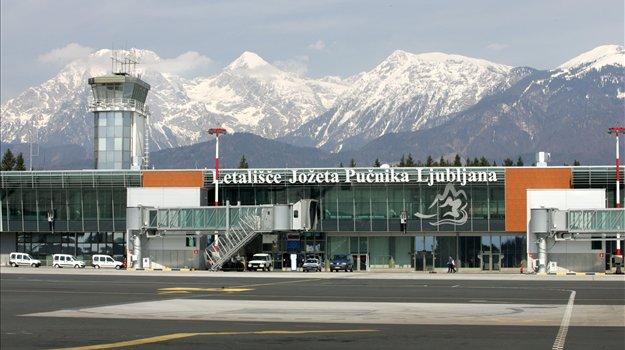
| Ljubljana Airport–city centre | Public bus or shuttle | Around 40–50 minutes | The airport has no train station |
Purchasing intercity bus tickets online
Buying Tickets Online Purchase: Both Nomago and Arriva allow you to purchase tickets through their websites. On the Nomago website, you can easily select your desired dates and destinations and pay with a credit card or PayPal. After the purchase, you will receive an electronic ticket that you can either print or display on your phone. Arriva offers a similar process where you can buy tickets on their portal and receive a confirmation email with your ticket.
Printing the Ticket: A key point for both carriers is that you need to print your ticket at a special device at the bus station, or it can be printed for you by an employee. In Ljubljana, this can be done at the main bus station. Users who opt for the electronic ticket can rely on showing it directly on their phone, but it’s advisable to have a physical copy ready, as some drivers may prefer to see a printed version.
Other Purchase Options: Tickets can also be purchased directly from the driving staff on the bus or at the bus station, but this does not guarantee that there will be available seats on the selected route.
For a worry-free journey, we recommend purchasing tickets in advance and printing them if required by your chosen carrier. The use of electronic tickets is possible, but always check what the validity requirements are with the driving staff.
For more information, you can visit the websites of Nomago and Arriva.
Flexibility and Accessibility
Slovenia’s public bus system plays a crucial role in connecting towns and regions that might not have direct train connections. For those aiming to venture off the beaten path and explore smaller towns, buses are a fantastic option. This makes buses an essential mode of transportation for exploring the countryside, ensuring you can access even the most remote corners of Slovenia.
There are 2 main bus companies operating in Ljubljana; Arriva in Western part of Slovenia and Nomago in Eastern part and in some Western parts.
exWebsite: Ljubljana Bus Station
Frequency and Schedules
Buses in Slovenia generally operate on well-established schedules, providing travelers with frequent and reliable options for getting from one destination to another. Whether you’re planning a short hop or a longer journey, the predictable schedules make planning your travels a breeze.

Comfort and Level of service
Slovenia’s public buses provide a basic yet comfortable level of service, offering standard seating. Passengers can relax and take in the scenic beauty as they travel by bus through Slovenia’s diverse landscapes.
Ticketing and Pricing
Purchasing bus tickets is a straightforward process, with options to buy tickets at bus stations or directly from the driver (cash only, prepare coins and not large notes). Ticket prices vary depending on factors such as the distance traveled and the type of bus. For those planning to explore Ljubljana extensively, the Urbana Card offers a convenient option for accessing buses and other public transportation services in Ljubljana.
Urbana Card Information: Urbana Card
FlixBus: Transforming Long-Distance Travel in Slovenia
FlixBus has become a prominent player in Slovenia’s long-distance bus travel market, offering affordable and convenient connections to both domestic and international destinations. Since entering the Slovenian market, FlixBus has rapidly expanded its network, connecting major cities like Ljubljana, Maribor, and Koper to cities across Europe, including Zagreb, Vienna, Munich, and Venice. The company is known for its modern, eco-friendly buses equipped with free Wi-Fi, power outlets, and spacious seating. FlixBus provides travelers with an easy-to-use online booking platform, allowing passengers to plan their trips with flexible scheduling options. In addition to providing budget-friendly alternatives to trains and flights, FlixBus is also contributing to the trend of sustainable travel, as its fleet aims to reduce carbon emissions per passenger. Its integration with other public transportation systems makes it a convenient and popular choice for both locals and tourists looking to explore Slovenia and beyond.


3. Major Cities Public Transportation
Major cities such as Ljubljana and Maribor offer efficient public transportation systems, including buses and funiculars. These networks provide easy access to local attractions, historic sites and neighborhoods, making it a breeze to explore Slovenia.
Ljubljana Public City Transport

Ljubljana’s well-organized public transport network efficiently connects various parts of the city. Buses are the backbone of Ljubljana’s public transport, offering frequent and reliable services throughout the city.
Ljubljana does not have a tram going through city like the cities of the neighbour countries – it used to have it though, but now the tram remains only as a memory and can be seen at the end of the city centre, near Tobačna street.
Check out Ljubljana City Transport for more information about the public transportation in Ljubljana.
Funicular to Ljubljana Castle
For a unique experience and panoramic views of the city, the Ljubljana Castle Funicular offers a short but memorable ride to the historic Ljubljana Castle perched atop Castle Hill. The funicular operates throughout the day and provides a convenient way to access this iconic landmark.
Ticketing and Pricing
Ljubljana’s public transport operates on a zone-based ticketing system, where the city is divided into different fare zones. You can either pay with Urbana card or with any contactless bank card. You just need to tap it on the bus next to the driver.
For frequent travelers, the Urbana Card offers a convenient option, allowing access to buses and the funicular. Frequent travelers can also enjoy discounts, making it an excellent choice for those planning to make the most of their time in the capital.
Urbana Card Information: Urbana Card
Maribor Public City Transport

Maribor’s public transport system offers a practical and convenient way to explore the city’s attractions and neighborhoods.
Buses play the main role in Maribor’s public transport system, offering regular and reliable services throughout the city.
Maribor’s public transport operates on a zone-based fare system, with the city divided into fare zones for ticketing purposes. Tickets can be purchased at various outlets, including kiosks, vending machines, and directly from bus drivers.
Check out Marprom for more information about the public transportation in Maribor.
Reliability of Slovenia’s public transport
Slovenia’s public transportation services adhere to well-defined schedules, allowing you to plan your journey ahead. Trains and buses operate from early morning until late evening, accommodating various itineraries.
For route planning, the Slovenian Public Transport website is a valuable resource.
There are no undergrounds or tram services in Slovenia.
Tips for Tourists for Smooth Travel Experience
- Plan Ahead: Familiarize yourself with routes and schedules to make the most of your time.
- Buy in Advance: Purchase tickets or cards ahead of time to avoid long queues and potential last-minute stress.
- Language Considerations: While English is widely spoken, learning a few basic Slovenian phrases can enhance your interactions with locals.
- Arrive Early: Arrive at stations a few minutes before departure to ensure a smooth boarding process.
Practical public transport tips
Check Sunday and holiday timetables
Services are often less frequent on Sundays and Slovenian public holidays. Do not assume that a weekday schedule also applies at the weekend.
Check your final return connection
Evening services can be limited outside Ljubljana and larger towns. Before starting a day trip, check when the final bus or train returns.
Allow time for delays
Road traffic can be heavy during summer weekends, particularly towards Bled and the coast. Railway works may also result in replacement buses and longer journey times.
Carry some cash
Card payments are becoming more common, but they are not guaranteed on every regional bus or at every small station.
Confirm the station name
Some destinations have more than one stop or station. For example, the Bled area is served by Bled bus station, Lesce-Bled railway station and Bled Jezero railway station.
Ask the driver when unsure
Most drivers are familiar with major tourist stops. If you are uncertain, show the destination on your phone and ask where you should leave the bus.
Do not rely exclusively on Google Maps
Google Maps is useful for planning, but it may not always show every seasonal service, timetable change or replacement bus. Confirm important connections through the official operator.
Frequently asked questions
Is public transport in Slovenia good?
Public transport is generally good between Ljubljana, larger towns and major tourist destinations. Connections to remote rural areas, mountain valleys and small villages can be limited, particularly in the evening and outside summer.
Is it possible to visit Lake Bled without a car?
Yes. Regular buses connect Ljubljana with Bled, and the main bus station is close to the lake. For most visitors, the bus is more convenient than the train.
Should I travel around Slovenia by train or bus?
Use trains for journeys between larger cities such as Ljubljana, Celje and Maribor. Buses are usually more convenient for Bled, Bohinj, Piran, Kranjska Gora and Bovec.
What is the IJPP ticket?
IJPP is Slovenia’s integrated public transport system. It enables passengers to use participating buses and trains with one ticket. One-day, three-day and weekly nationwide tickets are available.
Can I pay by card on Slovenian buses?
It depends on the service and operator. Ljubljana city buses accept contactless bank cards, and card payments are accepted on public airport buses. Payment options on regional services may vary, so carrying cash is advisable.
How much does a Ljubljana city bus ticket cost?
A standard journey costs €1.50. With an Urbana card, transfers are included for 90 minutes. Contactless bank card payments do not include free transfers.
Does Ljubljana Airport have a train station?
No. Public buses and shuttle services connect the airport with Ljubljana and other destinations.
Can I buy a train ticket on the train?
It may be possible, but an additional €12 charge can apply if the ticket office at your departure station was open. Buy your ticket before boarding whenever possible.
Do I need to reserve public transport tickets in advance?
Reservations are not usually necessary for regular services. However, purchasing tickets in advance is recommended for popular intercity buses during summer weekends and holidays.
Is public transport free for tourists in Slovenia?
No. Visitors must purchase valid tickets. Some tourist cards may include specific local transport benefits, but conditions depend on the destination and the type of card.