








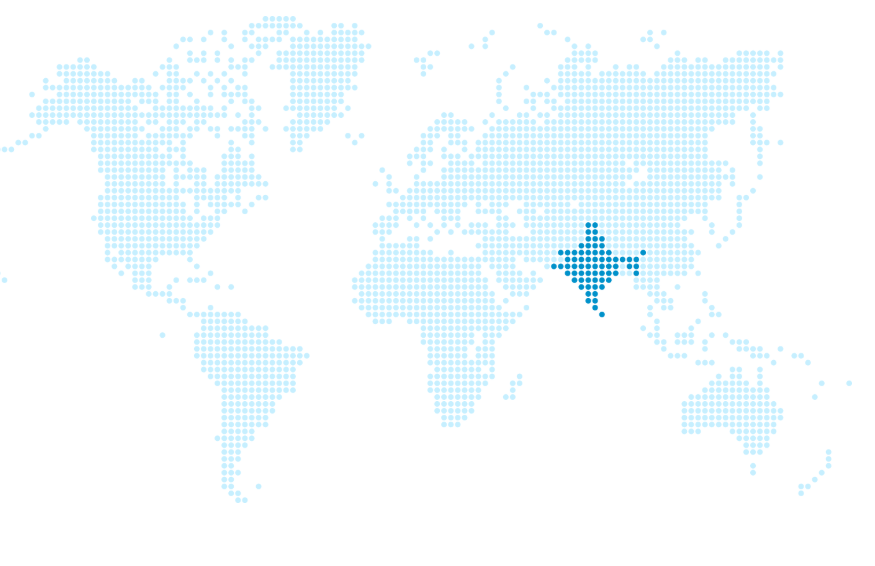

Launching cosmetic products in India is not just about market opportunity—it is about regulatory precision, proper documentation, and a clear strategy. We help brands navigate this complex environment and ensure that every requirement is met before products reach consumers.
India is a rapidly expanding cosmetics market with strong demand across skincare, haircare, and personal care segments. However, entry into this market requires strict adherence to national regulations governed by the Central Drugs Standard Control Organization (CDSCO).
Regulatory Framework for Cosmetics in India
The Indian regulatory system for cosmetics is built on two main pillars:
- Drugs and Cosmetics Act, 1940
- Cosmetics Rules, 2020
These frameworks define how products must be manufactured, tested, labelled, imported, and monitored after they are placed on the market.
We ensure that all products entering India are aligned with these regulations from the very beginning, reducing the risk of delays or rejections.
Defining a Cosmetic Product Under Indian Law
In India, a cosmetic product is any substance intended to be applied to the human body for cleansing, beautifying, or enhancing appearance.
This includes:
- Facial and body skincare
- Decorative cosmetics
- Haircare solutions
- Perfumes and fragrances
- Bath and hygiene products
However, the distinction between cosmetics and pharmaceuticals is critical.
If a product claims to treat or prevent a medical condition, it is no longer considered a cosmetic. Instead, it falls under drug regulation, which involves significantly stricter requirements.
Typical examples of products that are not considered cosmetics include:
- Anti-acne treatments with therapeutic claims
- Anti-dandruff shampoos marketed as treatments
- Hair regrowth products
- Medicated creams for eczema or psoriasis
- Antibacterial or antifungal skin treatments
We always advise brands to carefully define product claims, as they directly impact classification and regulatory obligations.
Importing Cosmetics into India
For international brands, the most important step is mandatory product registration with CDSCO.
No cosmetic product can be legally imported into India without approval from the Central Licensing Authority (CLA). The registration process is conducted through the CDSCO SUGAM portal and requires a complete set of documentation.
For Indian manufacturers, a State Manufacturing License is required before production and distribution.
Why a Local Responsible Person Is Essential
Foreign companies must appoint an Authorized Indian Agent who acts as the official representative in India.
This local partner is responsible for:
- Submitting regulatory applications
- Communicating with authorities
- Ensuring compliance with Indian laws
- Managing post-market obligations
We assist brands in appointing and managing reliable local representatives, ensuring smooth communication with regulatory bodies.
Documentation and Compliance Requirements
Successful registration depends on accurate and complete documentation.
We prepare and review all required materials, including:
- Manufacturer and importer details
- Product lists and variants
- Free Sale Certificate
- Manufacturing licenses
- Full product formulation
- Safety and testing reports
This information is submitted through COS-1 and COS-2 applications as part of the official registration process.
Labelling and Product Safety in India
India has strict labelling requirements that must be followed precisely.
Products must include:
- Ingredient declarations
- Importer and manufacturer information
- Batch numbers and expiry dates
- Usage instructions
In addition, all products must comply with safety standards, including limits on heavy metals, microbiological contamination, and banned substances.
We ensure that both formulation and labelling meet all Indian regulatory expectations before submission.
Step-by-Step Registration Process
The registration process in India is structured and requires careful coordination:
- Product classification and compliance assessment
- Appointment of an Authorized Indian Agent
- Preparation of documentation
- Submission through CDSCO portal
- Regulatory review and queries
- Final approval and certification
Each step must be handled precisely to avoid delays or additional regulatory requests.
Timelines and Market Entry Planning
The typical timeline for cosmetic registration in India is:
- 60 working days for standard approval
- Additional 20 working days if further testing is required
We always recommend planning ahead, as timelines can be influenced by regulatory workload or incomplete documentation.
Post-Market Compliance and Responsibilities
Regulatory obligations do not end with approval.
Once products are on the market, companies must:
- Monitor product safety
- Report adverse reactions
- Update authorities on any changes
- Manage recalls if required
We support brands in maintaining ongoing compliance, ensuring long-term market stability.
Our Regulatory Expertise in India
We provide full support for cosmetic compliance in India, including:
- Product classification
- Formula and ingredient review
- Labelling verification
- CDSCO registration
- Testing coordination
- Responsible person services
- Legal Metrology compliance
Our approach is focused on efficiency, accuracy, and minimizing regulatory risk.
India as a High-Growth Opportunity
India is one of the most promising markets for cosmetic brands, driven by a growing middle class and increasing demand for international products.
At the same time, regulatory compliance is essential for success. Without proper preparation, companies risk delays, rejected applications, or inability to enter the market.
With our support, brands can confidently approach the Indian market and ensure a smooth, compliant, and successful product launch.