
Programme:
Johannes Brahms: Schicksalslied, Op. 54
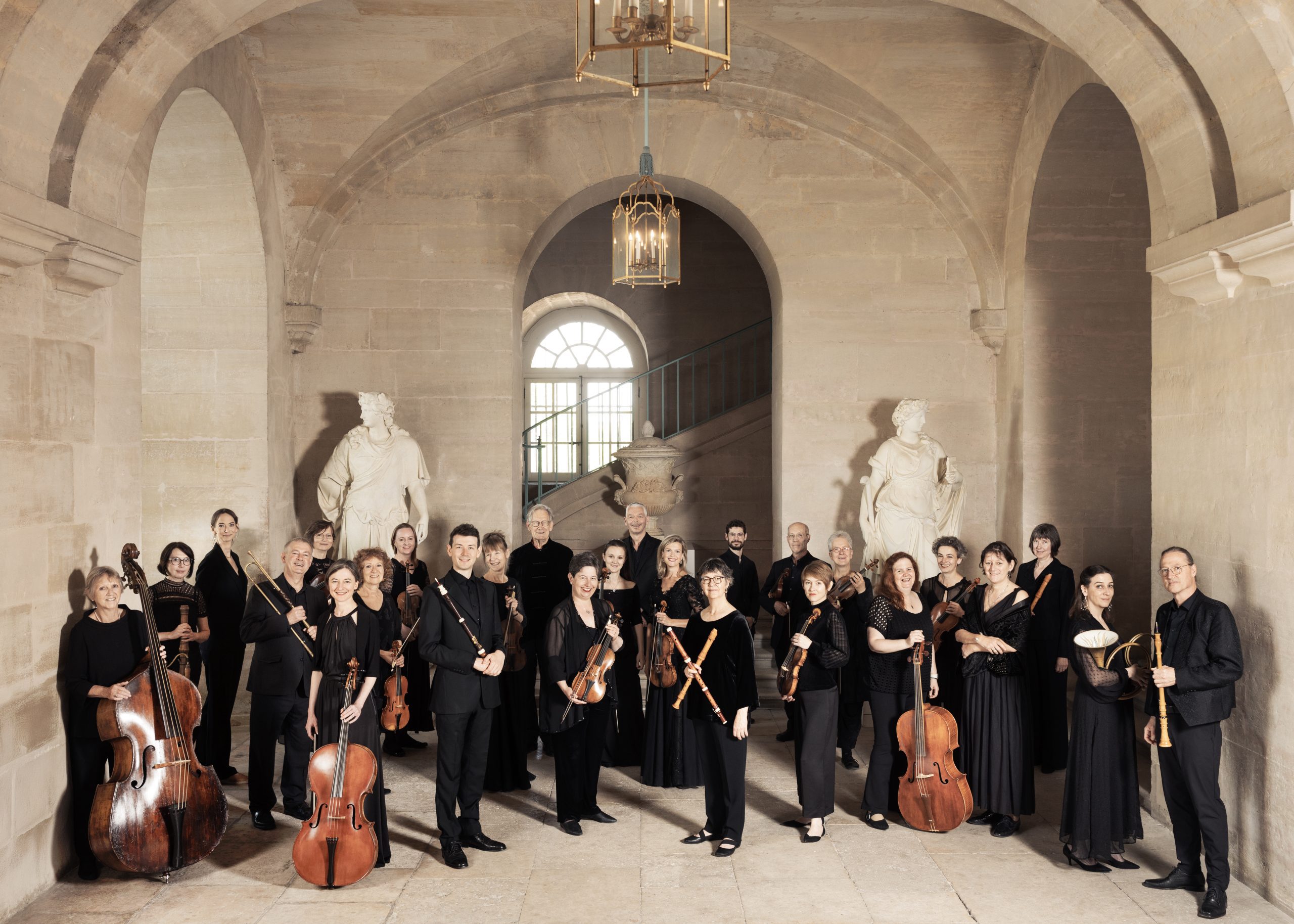
Sir John Eliot Gardiner, one of the most influential conductors of our time and a key figure in the historically informed performance movement, is coming to Slovenia for the first time. As the founder of the Monteverdi Choir (while still a student at Cambridge) and, later, of the English Baroque Soloists, he has had a decisive impact on modern understanding of Baroque music, as well as the music of the Classical and Romantic periods. His international career, which began in the mid-1960s, has included collaborations with the world’s leading orchestras, while his extensive discography comprises more than 250 recordings. In 2024 he founded Springhead Constellation, an initiative which included the formation of two new groups, The Constellation Orchestra and Choir, with which he is continuing his exploration of repertoire from early music to the present, through vivid, direct and expressively contemporary music-making. On the programme is the Schicksalslied (Song of Destiny), a setting of a poem by Friedrich Hölderlin that is one of Johannes Brahms’s most important choral works. Structured in three sections, the work contrasts the carefree world of the gods with the uncertain and tragic human condition, bound by time and fate. Brahms began composing it in 1868 and completed it three years later, once he had resolved the question of the ending: instead of returning to the opening choral material, the work concludes with a bright orchestral postlude in C major. In this way the music turns away from Hölderlin’s pessimistic conclusion and offers a calm, reconciliatory epilogue, which is why the Schicksalslied is regarded as one of Brahms’s most accomplished works.

If you're looking to create an unforgettable event, don't miss the opportunity to add it to our calendar! Our platform offers a variety of tools and resources to help you plan and promote your event, making it easier than ever to make a lasting impression. So what are you waiting for? Add your event today and let's make it a success!
Odprti smo za različne oblike sodelovanja, ki koristijo tako vam kot našim slovenskim in mednarodnim bralcem. Vaša vsebina je lahko izpostavljena na veliko načinov skozi naše medije. Za več informacij o možnostih sodelovanja nas kontaktirajte in skupaj bomo ustvarili koristno partnerstvo. Sodelovanje je lahko celo brezplačno! Pišite nam na [email protected].
We are open to various forms of collaboration that benefit both you and our Slovenian and international readers. Your content can be highlighted in many ways through our media. For more information about collaboration opportunities, contact us, and together we will create a beneficial partnership. Collaboration can even be free of charge! Write to us at [email protected].
Prijavite se na naše tedenske e-novice in raziskujte lepote Slovenije, njene skrite kotičke. Bodite obveščeni o prihajajočih dogodkih in tradicijah ter okusite ponudbo najboljših slovenskih restavracij.

Sign up for our weekly newsletter to explore the beauty of Slovenia and it's many wonders, and to learn about upcoming events, traditions, best Slovene restaurants and much more.