














Two days in Ljubljana is just enough time to understand why Slovenia’s capital works so well as a city break. Ljubljana is compact enough to explore mostly on foot, but varied enough to fill 48 hours with a medieval castle, riverside cafés, UNESCO-listed architecture, markets, museums, excellent Slovenian food, green parks and one of Europe’s more unusual alternative cultural districts.
If this is your first visit, this 48 hours in Ljubljana itinerary covers the essential sights without turning the weekend into a race. Day one is about Ljubljana’s historic heart; day two goes beyond the obvious and introduces the city locals actually live in.
Ljubljana in 48 hours: at a glance
Best for: first-time visitors, couples, solo travellers and weekend city breaks
Time needed: 2 full days
Getting around: mostly on foot
Essential sights: Ljubljana Castle, Triple Bridge, Central Market, Dragon Bridge, Ljubljanica River and Tivoli Park
Don’t miss: Jože Plečnik’s architecture
Best local experience: market in the morning and the river in the evening
Optional extra: a boat trip on the Ljubljanica
Best area to stay: city centre or within walking distance of the Old Town
Ljubljana’s historical centre is compact: Ljubljana Tourism estimates that the classic Old Town sights can comfortably be explored in roughly two to three hours. The trick is not to rush through them. Ljubljana is a city that rewards lingering.
Day 1: Ljubljana Old Town, Castle and the Ljubljanica
8:30 – Start at Prešeren Square
Begin your first morning in the geographical and social heart of Ljubljana: Prešeren Square.
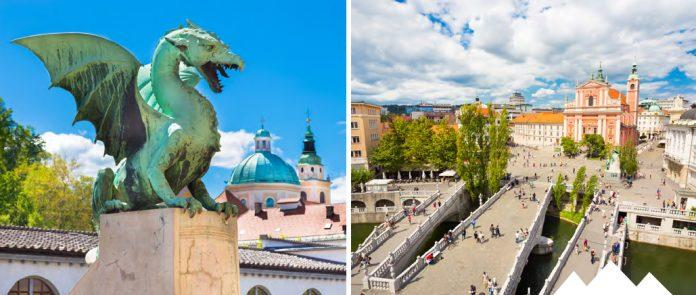
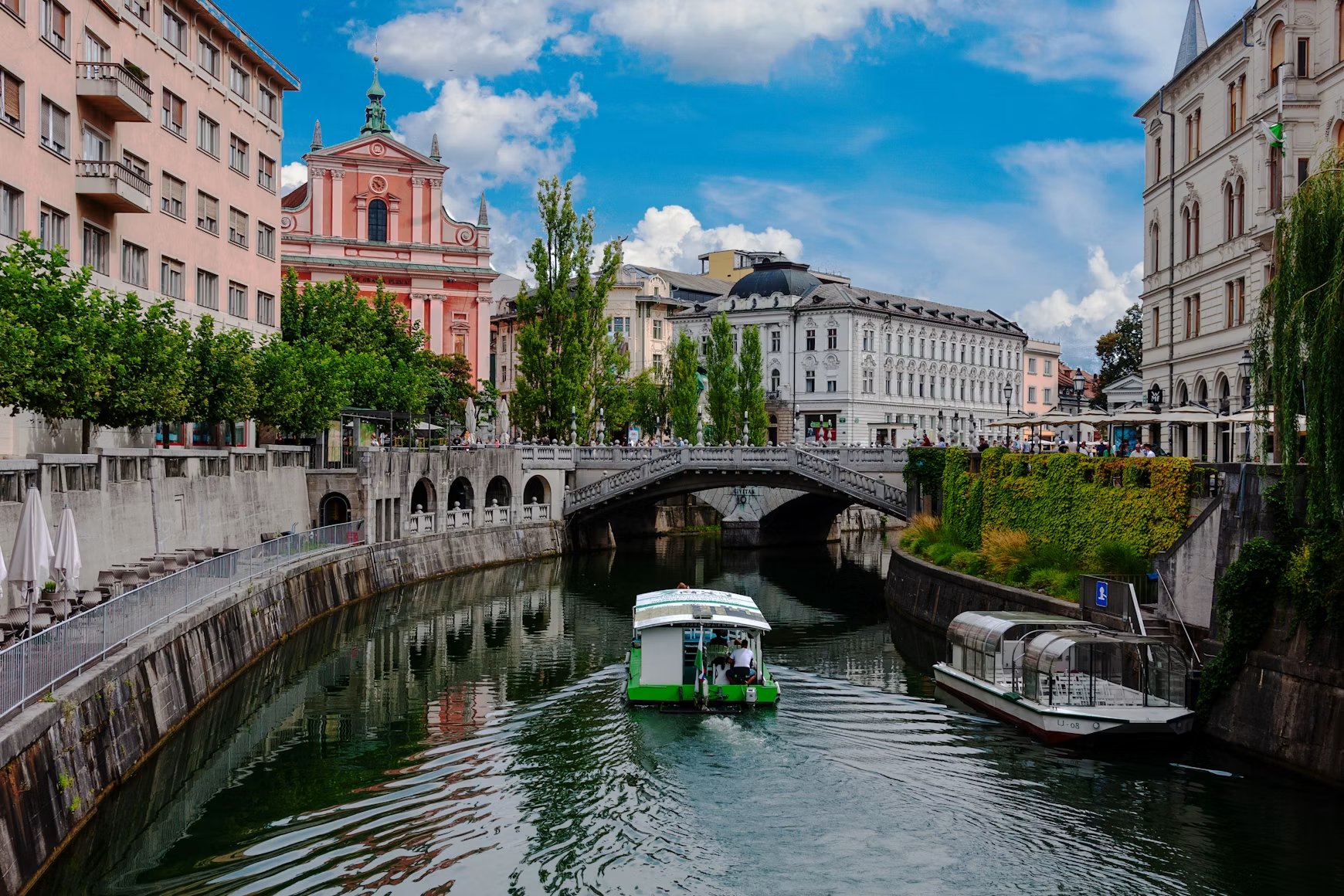
The pink Franciscan Church dominates one side of the square, while directly in front of you is the city’s most famous architectural intervention: the Triple Bridge.
The original stone bridge dates to 1842. Architect Jože Plečnik added two pedestrian bridges alongside it between 1929 and 1932, turning a functional river crossing into one of Ljubljana’s defining landmarks.
Cross it slowly rather than simply walking through. From here you get one of the classic views of the Ljubljanica, the Old Town and the castle hill above.
THE SLOVENIA TIP: Ljubljana is particularly photogenic early in the morning, before the terraces fill and day visitors arrive. If you want an almost-empty Triple Bridge photograph, make this your first stop.
9:00 – Walk through Ljubljana’s Old Town
From the Triple Bridge, continue towards Mestni trg, Stari trg and Gornji trg.
This is medieval Ljubljana at its most atmospheric: narrow streets, Baroque façades, small courtyards and the castle rising directly above the rooftops.
Don’t treat the Old Town as a checklist. One of the pleasures of Ljubljana is that the historic centre remains part of everyday city life rather than feeling like a museum quarter.
Walk past Ljubljana Town Hall and Robba Fountain, then gradually circle back towards the river.
10:00 – Central Market and Dragon Bridge
Next, head for Ljubljana Central Market.
The market stretches across Vodnikov trg and Pogačarjev trg and continues into Plečnik’s elegant riverside colonnade. It combines an open-air produce market, covered sections, food stalls and small shops.
Go in the morning. The market is not primarily an evening attraction, and its main sections close during the afternoon. It is also closed on Sundays and public holidays.
Look for seasonal fruit, vegetables, cheese, honey and other Slovenian products before continuing a few metres to Dragon Bridge.
Its green dragons have become one of Ljubljana’s most recognisable symbols — and yes, this is the photograph everyone eventually takes.
Visiting on Friday?
Your timing may be even better.
On sunny Fridays from March until November, Open Kitchen (Odprta kuhna) takes over Pogačarjev trg with restaurants and chefs serving food outdoors. It is one of Ljubljana’s most popular culinary events and an easy way to sample very different parts of the city’s food scene in one place.
If Open Kitchen is running, consider moving your lunch here.

11:00 – Go up to Ljubljana Castle
From the market, walk to Krekov trg and take the funicular up to Ljubljana Castle, or walk up Castle Hill if you want some exercise.
The funicular makes the ascent quick, while the walk gives you a better sense of just how close nature is to the city centre. Ljubljana Castle is not simply a viewing point: exhibitions, cultural spaces, cafés and restaurants are spread throughout the complex.
For first-time visitors, the panoramic view is the main event.
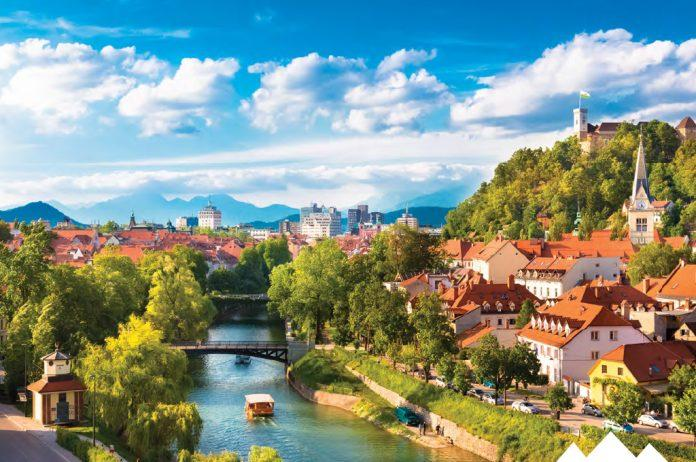
From above, Ljubljana suddenly makes geographical sense: the red-roofed Old Town sits below, Tivoli spreads towards the west and mountains appear on the horizon on clear days.
As of 2026, a castle ticket combined with a return funicular ride costs €19 for adults, although prices can change, so check before visiting.
Allow around 90 minutes to two hours if you want to explore the castle rather than only take a photograph from the top.
THE SLOVENIA CHOICE: If you have to choose between spending another hour inside a museum or slowing down at the castle viewpoint, choose the view on your first visit. Ljubljana’s greatest attraction is the city itself.

13:15 – Slovenian lunch
By now, you have earned lunch.
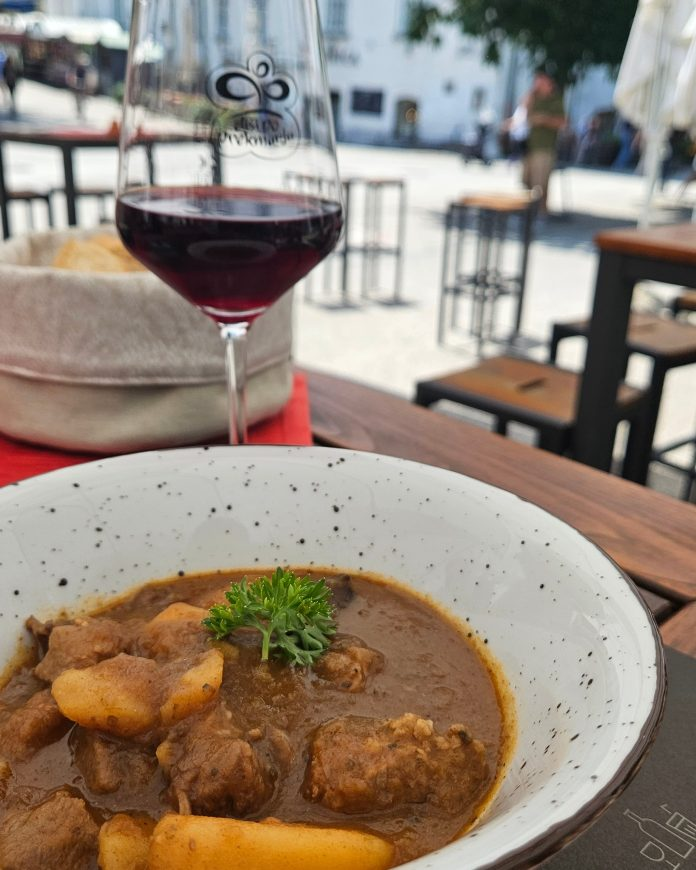
Avoid making the mistake of eating only international food during a short stay. Ljubljana’s restaurant scene ranges from traditional Slovenian kitchens to contemporary restaurants working with seasonal local ingredients.
Look out for Slovenian dishes such as štruklji, Kranjska klobasa, potica and other regional specialities. For a more serious meal, The Slovenia’s current guide to the city’s top Slovenian restaurants is a useful companion to this itinerary.
Don’t overbook the afternoon. Ljubljana is better with time for coffee.
Discover best slovenian restaurants in Ljubljana here.
14:45 – Follow Plečnik through the city
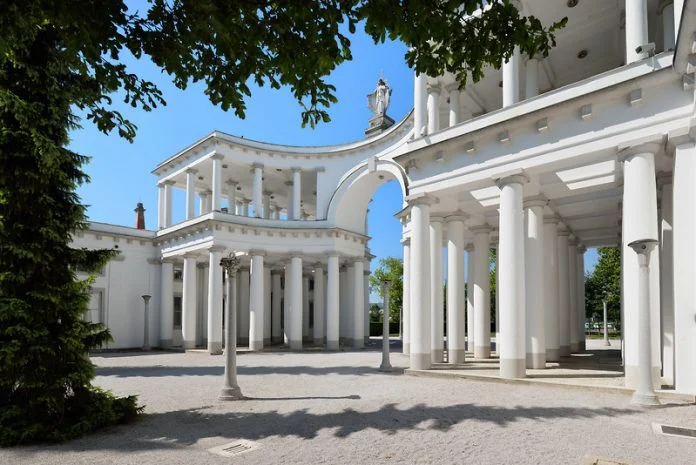
After lunch, start noticing something you have already been walking through all day: the Ljubljana of Jože Plečnik.
Plečnik’s work shaped much of the city’s modern identity. Selected works in Ljubljana were added to the UNESCO World Heritage List in 2021, and his influence can be seen in the bridges, market buildings, river embankments and public spaces throughout the centre.
Walk from the river towards:
- Cobbler’s Bridge
- Congress Square
- National and University Library
- Križanke
- Trnovo, if you want to continue towards Plečnik House
The National and University Library, built between 1936 and 1941, is considered one of Plečnik’s most important Slovenian works.
This is where Ljubljana becomes more interesting than a collection of pretty buildings. Plečnik approached the entire city almost as one enormous architectural project.
Discover top 10 Plečnik Sights here.
16:30 – See Ljubljana from the river
After walking most of the day, change perspective.
A tourist boat cruise on the Ljubljanica River typically lasts around 45–50 minutes and takes you beneath the bridges and along the historic embankments. Current tourist cruises are priced at around €15.82 for adults, depending on the boat and operator.
Is it essential?
No.
Is it one of the nicest things to do after six hours on your feet?
Absolutely.
If you prefer to stay on land, take the slower option: order a coffee, wine or beer beside the Ljubljanica and watch Ljubljana go past.
18:00 – Do nothing for a while
This is an official part of our itinerary.
Ljubljana’s river embankments function as the city’s outdoor living room, lined with cafés and terraces.
Visitors often make the mistake of filling every hour with another attraction. Instead, spend an hour around Breg, Gallusovo nabrežje or Petkovškovo nabrežje.
The architecture is the scenery. The people are the entertainment.
20:00 – Dinner and Ljubljana after dark
Stay in the centre for dinner, but use the evening to explore beyond the busiest section immediately around the Triple Bridge.
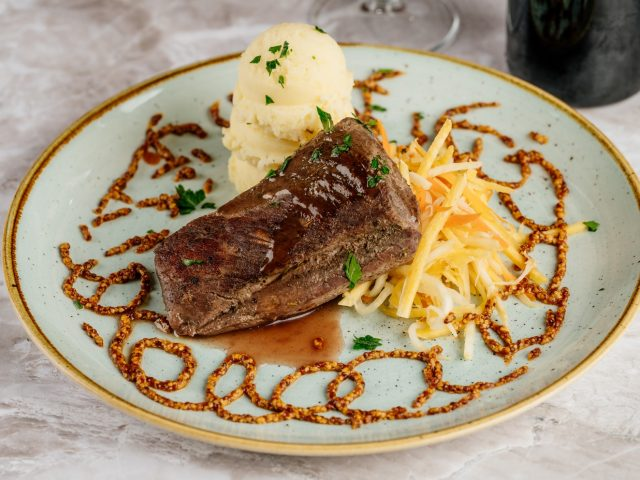
Ljubljana has an increasingly broad restaurant scene, from Slovenian cooking and casual bistros to Michelin-recognised restaurants. The Slovenia’s Best of Ljubljana Food & Drinks 2026 and restaurant guides are useful if food is one of the priorities of your trip.
After dinner, choose your Ljubljana:
For wine and conversation, stay around the Old Town and river.
For bars and a younger crowd, explore the streets east of Prešeren Square and around Trubarjeva.
For something completely different, save your energy for Metelkova tomorrow night.

Day 2: Tivoli, Plečnik and Ljubljana beyond the postcard
Day one showed you the Ljubljana visitors expect.
Day two is about the Ljubljana that makes people want to stay longer.
9:00 – Morning in Tivoli Park
Start with Tivoli Park, Ljubljana’s largest central parkland area, which reaches almost into the city centre.
Walk the broad promenade, pass Tivoli Mansion and continue towards the wooded slopes behind the park if the weather is good.
You do not need a strict route.
That is partly the point.
One of Ljubljana’s strongest qualities is the speed with which the city changes from streets and cafés into trees, walking paths and forest. Tivoli connects directly towards Rožnik and Šiška Hill, creating a much larger green landscape immediately beside the urban centre.
Allow around 60–90 minutes.
10:30 – Choose one museum, not five
Two days in Ljubljana are not enough to visit every museum, so pick according to your interests.
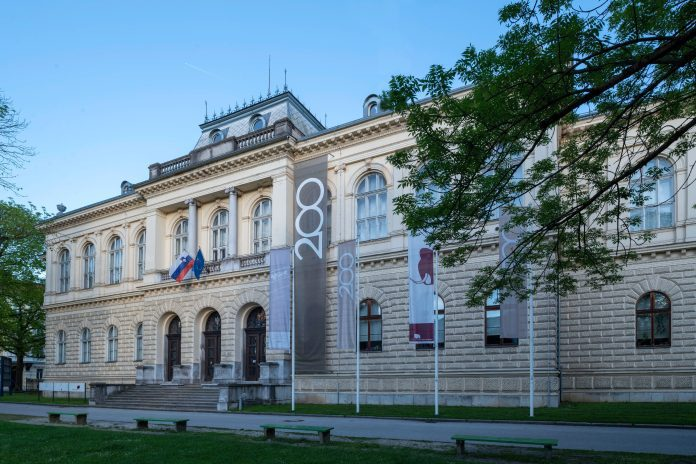
For classic art, the National Gallery of Slovenia, directly beside Tivoli, holds the country’s largest collection of fine art from the High Middle Ages to the 20th century.
If architecture interests you more, skip the gallery and head towards Trnovo for the next stop.
The goal is not to collect admission tickets. It is to leave Ljubljana remembering something.
12:00 – Meet the architect who built modern Ljubljana
For architecture and design lovers, Plečnik House is one of the most rewarding stops in the city.
The house in Trnovo was Plečnik’s own home and is now a museum devoted to his life and work. Because parts of the house are intimate, guided tours have limited group sizes, so check availability in advance.
Even if you skip the interior, the walk into Trnovo is worthwhile. It takes you away from the most concentrated tourist streets and gives you a different impression of Ljubljana.
13:30 – Lunch, Ljubljana style
Your second lunch is a good time to go beyond the obvious riverfront terraces.
Choose a contemporary Slovenian restaurant, neighbourhood bistro, market-style lunch or one of the city’s stronger casual options.
If your 48 hours fall on a Friday, this is another opportunity to use Open Kitchen as your lunch stop. If food is central to the trip, browse The Slovenia’s restaurant section before choosing rather than simply sitting at the first empty table you see.
15:00 – Walk back through the city without a checklist
Return towards the centre, this time without repeating yesterday’s exact path.
Ljubljana is full of small transitions worth noticing: Art Nouveau buildings around the centre, Plečnik details beside the river, hidden courtyards and streets that become markedly quieter only a few minutes from Prešeren Square.
If you want one final panoramic view, Nebotičnik offers one of the city’s classic rooftop perspectives. Ljubljana Tourism lists its upper floors among the city’s notable viewpoints.
The view back towards the castle is particularly good.
17:00 – Ljubljana’s alternative side
End the formal sightseeing at Metelkova mesto.
It is difficult to confuse Metelkova with anywhere you visited yesterday.
The autonomous cultural centre developed in former military barracks after they were occupied in 1993. Today it remains one of Ljubljana’s best-known centres of alternative culture, with constantly changing street art and a cluster of cultural and nightlife spaces.
Visit in daylight if you mainly want to see the art and architecture.
Come back later if you want to experience its nightlife.
It is not polished Ljubljana — which is precisely why it belongs in this itinerary.
19:00 – Give the Ljubljanica the final word
For your final evening, return to the river.
You have already seen most of the essential attractions, so there is nowhere you urgently need to be.
Choose dinner, find a terrace and give yourself time to appreciate Ljubljana’s greatest luxury: the city rarely forces you to choose between sightseeing and simply enjoying being there.
In 48 hours, you can walk across the historic centre several times, see a castle, enter a UNESCO architectural landscape, eat well, spend a morning in a major city park and still have time to sit beside the river.
Few European capitals make a weekend feel this unhurried.
Is 48 hours in Ljubljana enough?
Yes. Two days are enough for Ljubljana’s main sights and a good introduction to the city.
With 48 hours, you can comfortably explore the Old Town, Ljubljana Castle, Central Market, the Ljubljanica, Plečnik’s architecture, Tivoli Park and at least one museum or cultural area.
Three days are better if you want slower museum visits, nightlife or more neighbourhoods.
If you have a fourth day, do not necessarily spend it in Ljubljana. Slovenia’s compact size makes the capital an excellent base for trips to Lake Bled, Postojna Cave, Bohinj, Piran, Velika Planina and other destinations.
How to get around Ljubljana in 2 days
For this itinerary, walking is the best form of transport.
Most Day 1 attractions are concentrated in and around the pedestrianised historic centre. For longer journeys, Ljubljana has an extensive city bus system. A single Zone 1 bus journey currently costs €1.50.
The Urbana system can be used for city buses and several other city services, while the BicikeLJ public bicycle network is another useful option for short journeys.
If you arrive by car, consider leaving it parked for the weekend. Ljubljana also operates P+R facilities connected to the centre by bus.
For more detailed options, link this section to The Slovenia’s current Ljubljana parking guide.
Is the Ljubljana Card worth it for 48 hours?
Possibly — but calculate what you actually plan to visit.
The 48-hour Ljubljana Card currently costs €49 for adults and includes unlimited travel on LPP city buses as well as a range of attractions and benefits.
It makes more sense if you plan several paid attractions, public transport and organised experiences.
If your ideal Ljubljana weekend consists mostly of walking, eating, cafés, Tivoli and the river, buying everything separately may be better value.
The Slovenia’s perfect 48 hours in Ljubljana
If we had to reduce the entire itinerary to ten experiences, they would be:
- Cross Triple Bridge early in the morning.
- Walk Ljubljana’s Old Town.
- Visit Central Market.
- See the dragons at Dragon Bridge.
- Go up to Ljubljana Castle.
- Eat at least one proper Slovenian meal.
- Follow Plečnik’s architecture through the centre.
- Spend an hour in Tivoli Park.
- See Metelkova.
- Finish beside the Ljubljanica with nowhere else to rush to.
That combination gives you something many city-break itineraries miss: not only Ljubljana’s sights, but its rhythm.
Frequently asked questions about 48 hours in Ljubljana
How many days do you need in Ljubljana?
Two days are enough for a first visit to Ljubljana. You can see the main attractions in 48 hours, while three days allow more time for museums, neighbourhoods and slower exploration.
Is Ljubljana walkable?
Yes. Ljubljana is exceptionally easy to explore on foot, particularly the historic centre, where most major sights are close together. Ljubljana Tourism suggests roughly two to three hours for the classic Old Town area alone.
What should I not miss in Ljubljana?
For a first visit, prioritise Ljubljana Castle, Triple Bridge, Prešeren Square, Central Market, Dragon Bridge, the Ljubljanica River and Plečnik’s architecture. Add Tivoli Park if you have two days.
Is Ljubljana worth visiting for a weekend?
Yes. Ljubljana is particularly well suited to a weekend because its main attractions are compact, while the restaurant scene, riverfront, parks and cultural attractions provide enough variety for two full days.
Can you explore Ljubljana without a car?
Yes. The centre is best explored on foot, while buses and public bicycles cover longer journeys.
Should I spend two days in Ljubljana or take a day trip?
If this is your first visit to Slovenia, spend both days in Ljubljana. If you have three or more days based in the capital, use the additional day for Bled, Postojna Cave, Bohinj, Velika Planina or another destination.