

















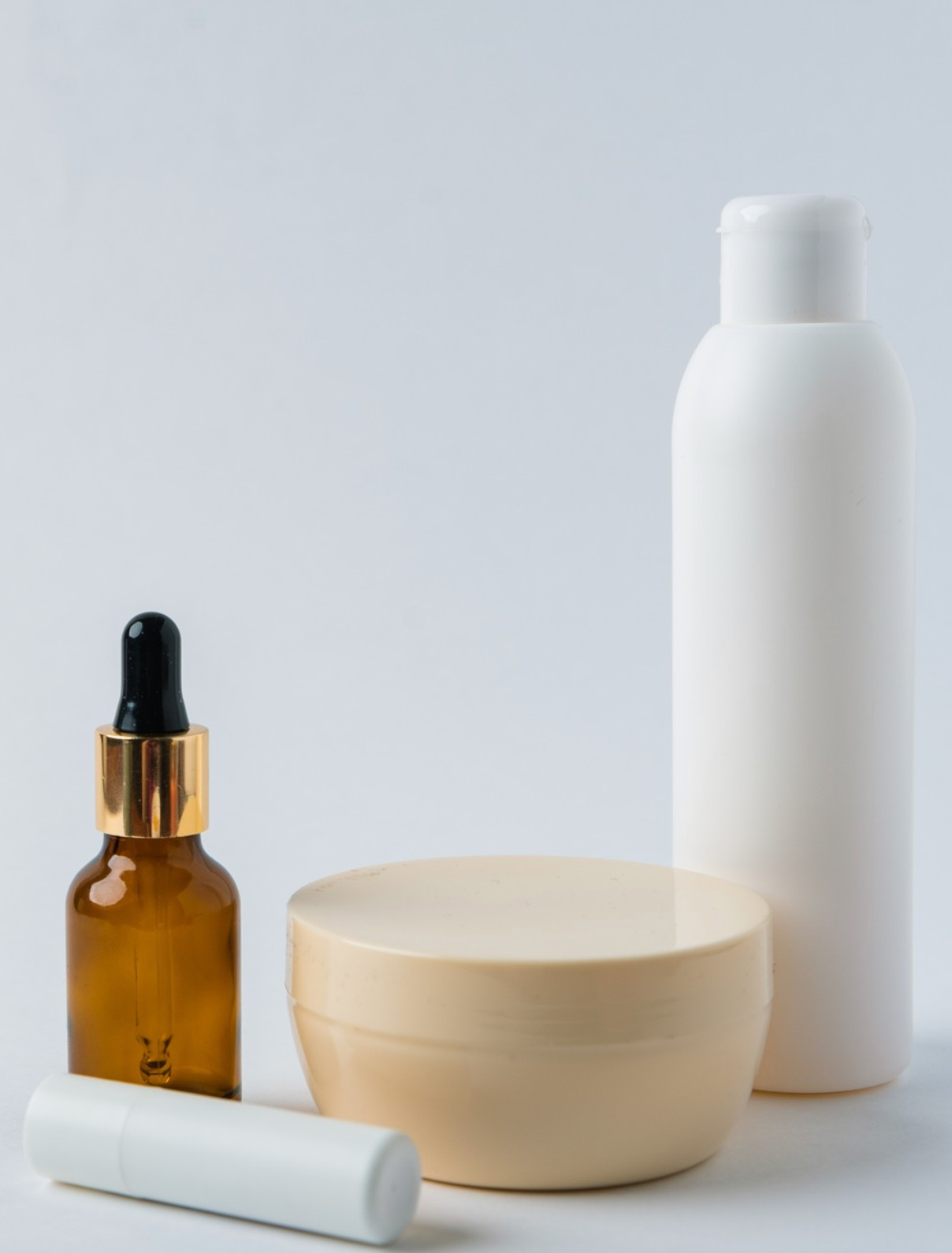

The UAE is an attractive destination for international cosmetic and personal care brands, but successful market entry requires much more than a strong product and a local distribution agreement. Cosmetics must meet applicable regulatory, safety, documentation and registration requirements before they can be placed on the market.
For brands entering the UAE for the first time, delays often occur because regulatory work begins too late. Packaging may already have been printed, claims approved by the marketing team and products manufactured before anyone verifies whether the formula, artwork and documentation are suitable for the UAE.
A better approach is to integrate regulatory compliance into the launch process from the beginning. Below are some of the most important issues cosmetic companies should consider.
Do Not Assume EU Compliance Automatically Means UAE Compliance
International cosmetic brands sometimes assume that a product compliant with European Union requirements can be introduced into the UAE without significant additional work.
While there may be similarities between regulatory systems, the UAE has its own requirements. CE.way identifies the Dubai Municipality Technical Guidelines for Cosmetics and Personal Care Products, GSO 1943:2024 and MoIAT cosmetic requirements among the frameworks relevant to cosmetic products sold in the UAE.
Companies should therefore conduct a separate UAE compliance assessment rather than simply reusing a regulatory package prepared for Europe, the UK or another market.
Brands planning market entry can review the applicable UAE cosmetics compliance requirements before beginning the registration process.
Check Product Classification Before Preparing Registration
Correct classification should be one of the first steps.
A conventional moisturiser, shampoo or perfume may clearly fall within the cosmetic category. Other products can be more complicated, particularly when marketing claims suggest therapeutic effects.
CE.way notes that claims can affect product classification and identifies acne treatments, products claiming to treat eczema or psoriasis, certain hair-loss treatments and similar products as examples that may not fall under ordinary cosmetic regulation.
This means marketing and regulatory teams should work together.
A formulation may appear cosmetic, but claims such as “treats acne”, “prevents hair loss” or “heals dermatitis” can significantly change the regulatory pathway.
Reviewing these statements before artwork and advertising materials are finalised can prevent expensive changes later.
Do Not Leave Formula Review Until the End
Ingredient compliance should be established before a large production run.
A formulation developed for another region may contain an ingredient that is restricted, subject to a concentration limit or requires additional documentation under the applicable UAE framework.
Formula review should therefore be completed before committing significant resources to manufacturing and packaging.
This becomes particularly important for companies managing large portfolios. Checking 20 or 30 products after production has already started can turn a regulatory problem affecting a single ingredient into a much larger commercial issue.
Early review gives companies time to reformulate or obtain supporting documentation where necessary.
Prepare Registration Documents as a Complete Package
Incomplete documentation is one of the easiest ways to create unnecessary delays.
The CE.way UAE guidance lists materials such as product images and artwork, ingredient information, a Free Sale Certificate, Certificate of Analysis, GMP documentation, a Product Information File, laboratory reports and safety information among documents that may form part of a registration package.
Dubai Municipality’s published consumer-product guidance also identifies product artwork and evidence concerning composition, conformity or laboratory testing among documents relevant to cosmetics and personal care products.
Instead of collecting documents one by one after questions are raised, brands should establish a regulatory dossier for every SKU before submission.
A consistent internal document-management system becomes particularly valuable when multiple products are being registered simultaneously.
Review Packaging Before Printing Thousands of Units
Packaging errors can become expensive very quickly.
A company may discover that an ingredient declaration, warning, product claim or another piece of information requires modification only after thousands of cartons, labels or containers have already been produced.
Regulatory artwork review should therefore take place before final printing approval.
This process should examine not only mandatory information but also promotional wording. Marketing teams naturally want packaging to make products attractive, but claims must remain consistent with the regulatory classification of the product.
Treat regulatory approval as one of the required stages in the packaging sign-off process rather than a final check after production.
Plan for a Local Registration Partner
Foreign brands should also consider their local regulatory structure early.
CE.way states that Dubai product registration is carried out through a local agent or distributor based in Dubai. The local entity handles the application and communication associated with registration.
The relationship with this party can therefore have long-term implications.
Companies should understand who controls registration records and documentation, what happens when new products are introduced and how regulatory responsibilities will be handled if the commercial relationship changes.
These details are much easier to establish before market entry than after a disagreement with a distributor.
Build Regulatory Timing Into the Commercial Launch
A distributor may want products on shelves by a particular date, but regulatory approval must be factored into that schedule.
CE.way indicates an approximate standard registration period of 40 working days when the required documentation is complete, with additional laboratory testing potentially adding around 20 working days. It also notes that actual approval remains subject to regulatory review and delays can occur.
Brands should therefore avoid building campaigns around an aggressive launch date that assumes immediate regulatory approval.
Allowing a buffer for questions, testing or documentation corrections makes the commercial plan more realistic.
Compliance Does Not End When Registration Is Approved
Another common mistake is treating registration as the end of regulatory work.
Products already on the market may still be subject to surveillance and compliance obligations. CE.way highlights responsibilities including adverse-effect reporting, notification of certain formulation or labelling changes and cooperation with corrective measures or recalls when necessary.
Dubai Municipality also maintains information relating to non-complying consumer products, including cosmetics and personal care products.
Brands should therefore maintain updated regulatory files and establish processes for managing changes after launch.
Make Compliance Part of the Market-Entry Strategy
The easiest regulatory problem to solve is usually the one identified before a product reaches production.
Cosmetic companies entering the UAE should begin with classification and formula review, then move through documentation, artwork assessment, local representation and registration before finalising the commercial launch.
This approach reduces the risk of discovering major problems after inventory has already been produced or shipped.
For brands managing multiple products, establishing a repeatable UAE compliance workflow can make future launches significantly more efficient. Instead of treating regulation as an administrative obstacle at the end of product development, companies can use it as a structured checkpoint throughout the expansion process.
That can ultimately mean fewer surprises, more predictable launch schedules and a stronger foundation for building a long-term presence in the UAE beauty and personal care market.